
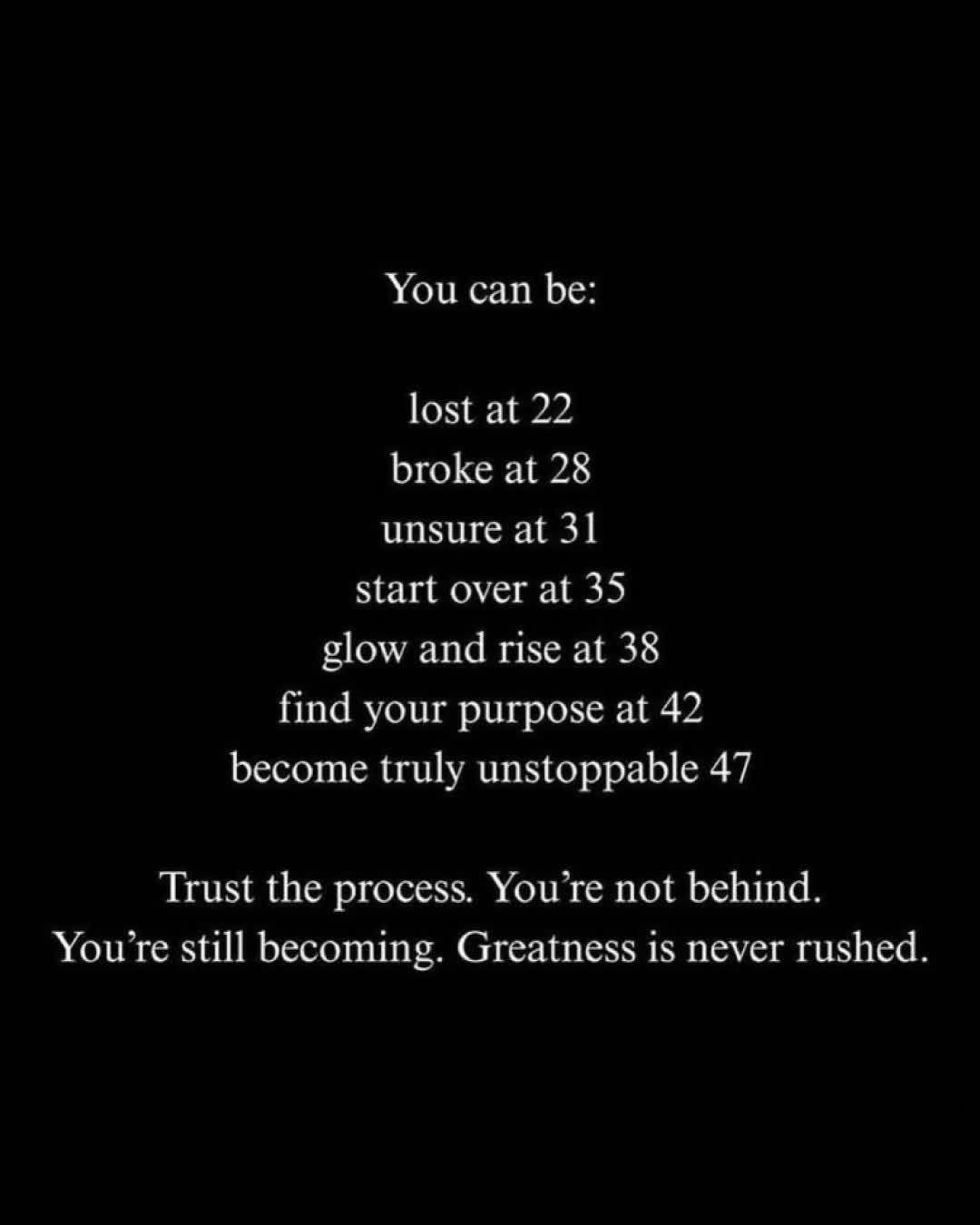
In a recent LinkedIn post, Ankur Warikoo discusses the common feeling of not being where one “should be” in life, offering a powerful perspective on failure and resilience through the stories of highly successful individuals.
Warikoo challenges the notion that early struggles or rejections are endpoints, instead framing them as mere stepping stones. He highlights that the world often remembers people not for their initial failures, but for their ultimate achievements that followed. To illustrate this point, Warikoo shares a series of compelling examples:
“Oprah Winfrey was fired from her first reporting job.”
This anecdote, as presented by Warikoo, serves to underscore that even globally recognized figures faced significant professional setbacks early in their careers. Warikoo doesn’t stop at listing failures; he contrasts them with the monumental successes that defined their legacies.
The Long Road to Recognition
Ankur Warikoo emphasizes that the narrative of success is rarely linear. He points out the stark contrast between the humble beginnings and the extraordinary outcomes for several prominent figures. For instance, he notes the journey of Amitabh Bachchan:
“Amitabh Bachchan applied to be an announcer at All India Radio and was rejected.”
Warikoo juxtaposes this rejection with Bachchan’s eventual status as a cinematic icon. Similarly, he brings up the example of Stephen King:
“Stephen King was working as a janitor and living in a trailer at 26.”
According to Warikoo, King’s early struggles as a janitor and living in a trailer at age 26 are often overshadowed by his later achievements as one of the best-selling authors in history, having sold over 350 million copies of his books.
Reframing Failure as a Catalyst
The core message from Warikoo’s post is a redefinition of failure. He argues that these initial setbacks are not indicators of a person’s ultimate potential or worth. Instead, it is the response to these challenges that truly matters. As Ankur Warikoo states:
“Your failure doesn’t define you. What you do after the setback does.”
This perspective is further supported by the examples of Rajinikanth, who worked as a coolie and bus conductor, and Vincent Van Gogh, who failed as a missionary before finding his calling in art. Warikoo highlights that Van Gogh, despite selling only one painting during his lifetime, is now celebrated for works valued at hundreds of crores. This underscores Warikoo’s central thesis: perseverance and the subsequent actions taken after a failure are far more significant than the failure itself.
Warikoo’s post serves as a powerful reminder for anyone feeling discouraged by their current circumstances. By drawing on these high-profile examples, he encourages readers to view their own setbacks not as definitive judgments, but as opportunities for growth and eventual triumph.
📝 About This Content
This article is based on insights shared by Ankur Warikoo on LinkedIn.
📅 Originally posted on May 5, 2026 | View original post on LinkedIn →