
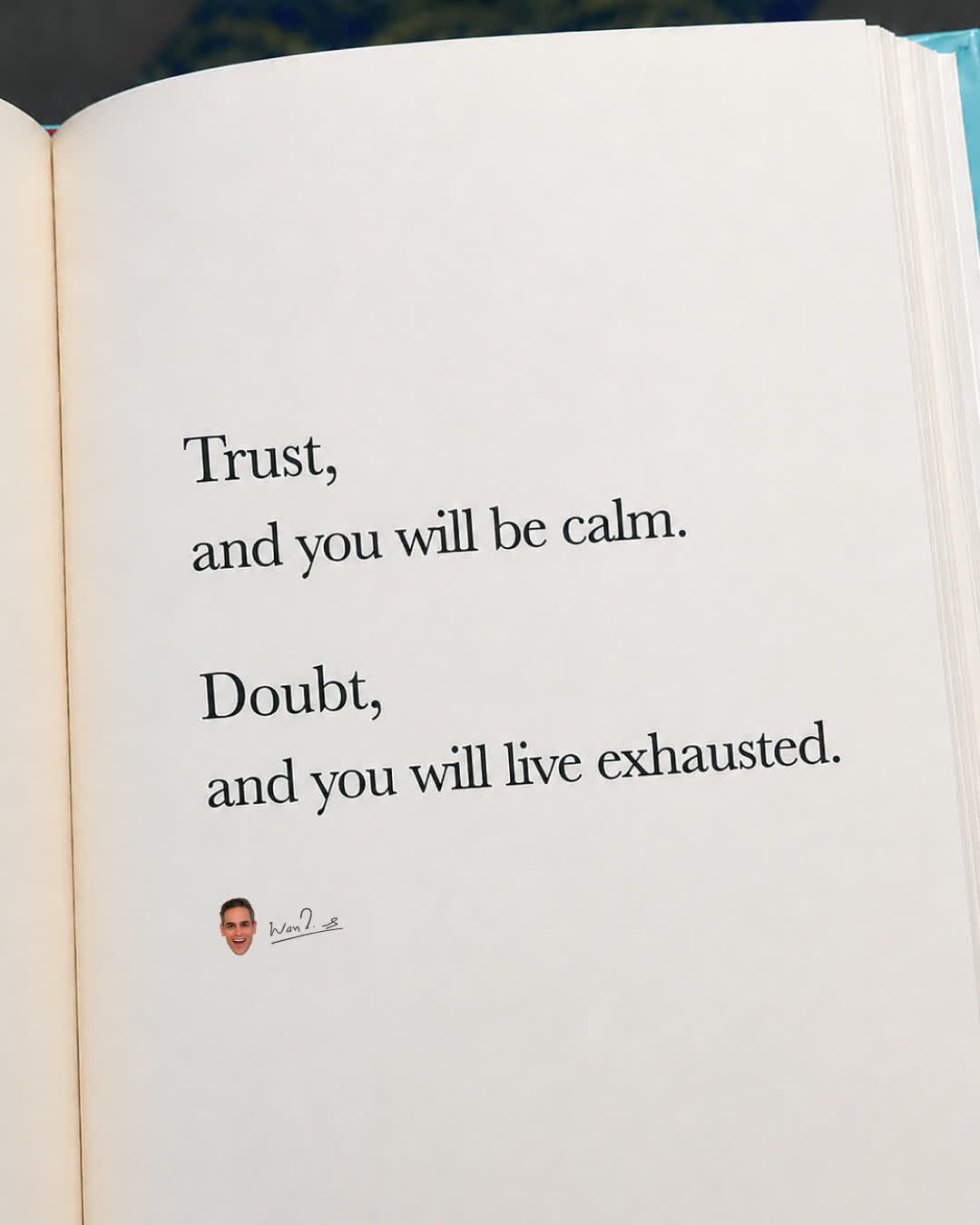
In a recent LinkedIn post, Ankur Warikoo delves into the societal tendency towards suspicion and its potential impact on individual well-being. Warikoo contrasts our effortless trust in abstract systems, like currency or software, with our inherent wariness of close human interaction.
The entrepreneur highlights this paradox, stating:
“You accept a ₹500 note from a stranger without a second thought. You download an app built by someone you’ll never meet and trust it to run on your phone. But the neighbour being suspiciously nice? They probably want something in return.”
Warikoo suggests that this ingrained skepticism, often learned from childhood admonishments like “Daal mein kuch kaala hai” (Something is suspicious), can lead to a default state of hyper-vigilance. This constant alertness, he posits, comes at a personal cost.
The Link Between Suspicion and Stress
According to Warikoo, a lack of inherent trust in others may be directly correlated with increased stress and anxiety levels. He theorizes that individuals who are quick to suspect others tend to operate in a state of perpetual alert.
“People who do not trust others easily are more likely to be stressed and anxious in life. People who trust others easily are more likely to be easy-going in life,” Warikoo writes. This constant readiness to anticipate betrayal or deceit, he argues, keeps the mind in overdrive.
Cynicism as a Default Mechanism
The author elaborates on how this constant vigilance can solidify into a habit, where cynicism becomes a default response. This overthinking, Warikoo suggests, acts as a defense mechanism, protecting the individual from potential harm or disappointment.
“You are always thinking of how the other person can cheat you, dupe you, betray you. And that keeps your mind working overtime.”
Warikoo points out that this defensive posture means individuals may experience the negative consequences of potential bad outcomes before anything has actually gone wrong. He frames this not as a judgment of right or wrong, but as an observation of a common human tendency.
The Price of Defaulting to Suspicion
Warikoo concludes by emphasizing that while there is no universally correct way to approach trust, consistently defaulting to suspicion carries an implicit cost. This price is paid in the form of mental energy expended on anticipating negative scenarios and a potential reduction in overall life ease.
“But defaulting to suspicion does mean you pay the price before anything’s gone wrong.”
In Ankur Warikoo’s view, fostering a greater capacity for trust, even in the face of cultural conditioning that promotes skepticism, could lead to a less stressful and more open existence. His post serves as a prompt for reflection on our default settings when interacting with the world and the people within it.
📝 About This Content
This article is based on insights shared by Ankur Warikoo on LinkedIn.
📅 Originally posted on May 16, 2026 | View original post on LinkedIn →