
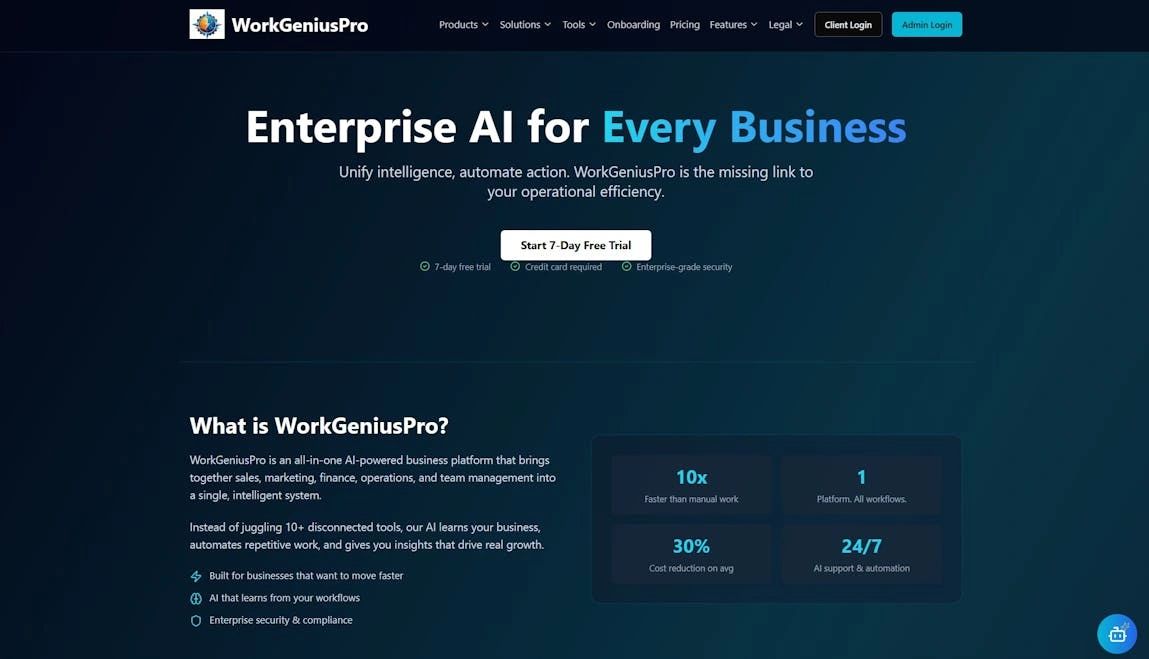
In a recent LinkedIn post, Rahul Kumar explores a significant shift occurring in the Artificial Intelligence startup landscape, moving from the development of isolated tools to the creation of comprehensive operational systems. Kumar highlights the current state of business operations, characterized by fragmentation and inefficiency, and posits that future software success will hinge on integration and proactive capabilities.
Kumar opens his analysis by observing the prevailing approach of many AI startups. He states:
Most AI startups are still building tools. The next category leaders are building systems.
This distinction, according to Kumar, is crucial for understanding the future trajectory of business software. He elaborates on the common operational chaos businesses face today, citing the disjoined nature of essential functions.
The Problem of Operational Fragmentation
Kumar points out the widespread issue of businesses operating with disparate systems for different functions. He describes this fragmented environment:
Most businesses today operate in chaos:
- CRM in one tab
- Finance in another
- Operations somewhere else
- Follow-ups handled manually
- Teams constantly switching between platforms
The consequence of this disunity, as Kumar details, is a significant drain on productivity and employee morale. He identifies the direct results as:
- Lost time.
- Broken workflows.
- Operational fatigue.
WorkGeniusPro’s System-Centric AI Approach
Kumar then introduces WorkGeniusPro as an example of a company embracing the systems-building paradigm. He emphasizes that their approach to AI differs from the common trend of developing single-purpose chatbots or assistants. Instead, WorkGeniusPro is presented as an AI-powered business operating layer designed to centralize and streamline daily operations.
According to Kumar, WorkGeniusPro integrates several key business functions into a unified ecosystem. He lists these components:
- CRM
- Revenue Intelligence
- AI Receivables
- Workflow Automation
- Forecasting
- Operations Management
- AI Coaching
This integrated approach, Kumar argues, directly addresses the inefficiencies born from fragmented systems. He elaborates on the strategic rationale behind this direction:
And honestly, this direction makes a lot of sense. Because the future of SaaS won’t belong to companies adding more dashboards. It’ll belong to platforms reducing decision fatigue, manual work, and operational friction altogether.
The Future of Business Software: Proactive and Integrated
Looking ahead, Rahul Kumar posits that the most valuable software in the coming years will be characterized by its proactive, automated, and predictive capabilities, coupled with deep integration. He contrasts this with the current market, which he suggests is often saturated with “another app” that adds complexity rather than reducing it.
Kumar summarizes the attributes of future leading software:
The most valuable software over the next 5 years will likely be:
- Proactive
- Automated
- Predictive
- Deeply integrated
While noting that WorkGeniusPro is still in its early stages, Kumar expresses optimism about the potential of this systems-building approach. He concludes by posing a question to his audience, inviting discussion on whether businesses will indeed gravitate towards all-in-one AI operating systems, moving away from managing numerous individual tools. This forward-looking perspective underscores Kumar’s analysis of the evolving demands on business technology.
📝 About This Content
This article is based on insights shared by Rahul Kumar on LinkedIn.
📅 Originally posted on May 19, 2026 | View original post on LinkedIn →