
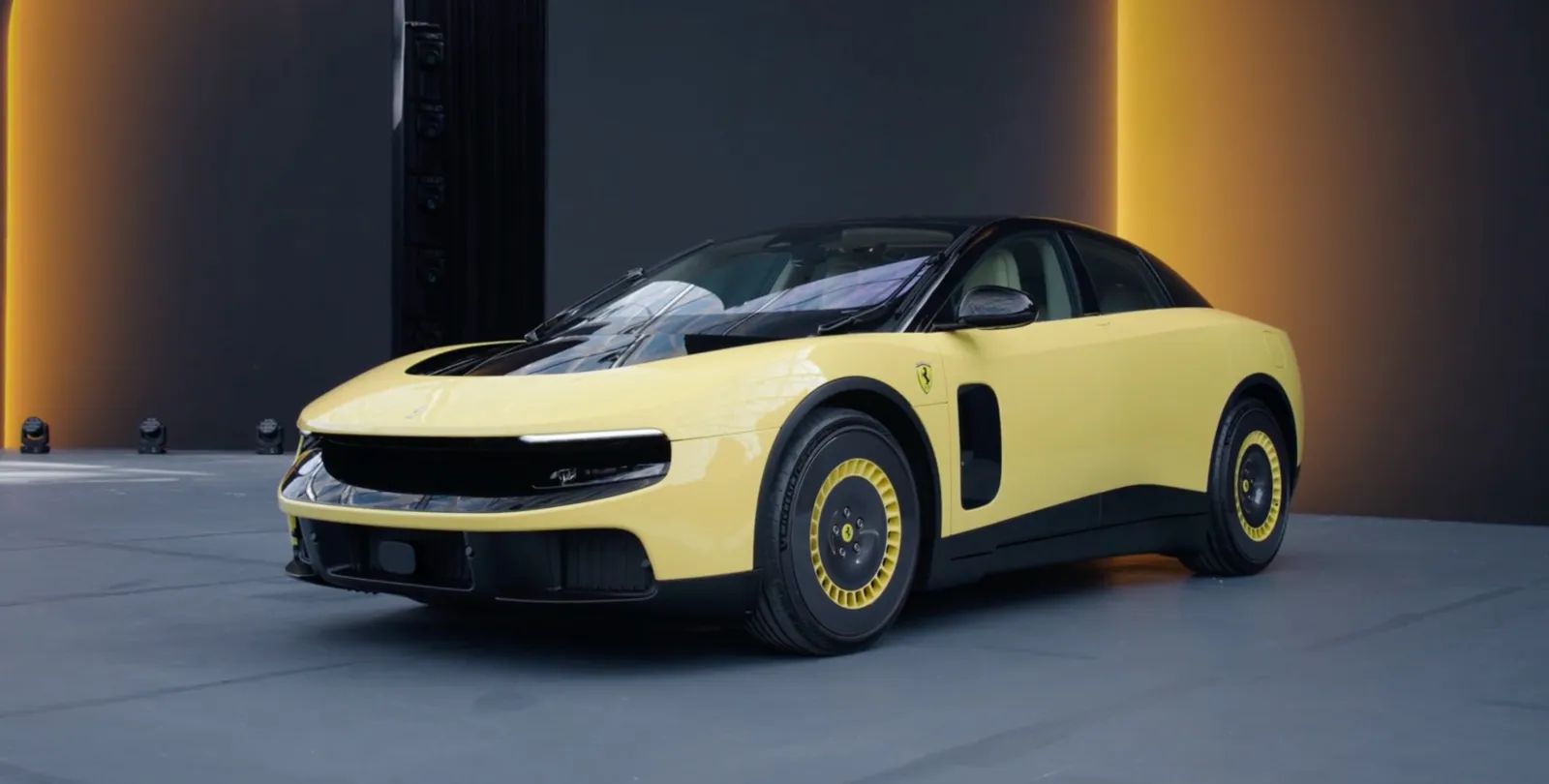
In a recent LinkedIn post, Daniel Priestley delves into the intense public reaction surrounding Ferrari’s new model, the ‘Luce,’ exploring how a brand’s core essence can be jeopardized by perceived deviations from customer expectations.
Priestley highlights the significant backlash from Ferrari enthusiasts, noting that the brand’s identity is deeply ingrained in the public consciousness. He opens by posing a rhetorical question that sets the stage for his analysis: “When is a Ferrari NOT a Ferrari?” He then elaborates on the public’s strong reaction, stating:
“Surely if a car is made by Ferrari and has the Ferrari badge on it, it must be a Ferrari? Apparently not. In the last 24 hours millions of fans of the brand have taken to social media to protest that the new Ferrari Luce absolutely doesn’t fit with their perception of what a Ferrari is.”
The Unspoken Essence of a Brand
According to Daniel Priestley, the core issue lies in the disconnect between the new Luce model and the deeply held, often unspoken, essence of the Ferrari brand. He argues that if the Luce had been launched by a less aspirational marque, such as VW or Toyota, the reception would have been entirely different.
“If the Luce was launched by VW, Toyota or even Apple there would not have been any uproar. The opposite could have happened – people might have championed the car as an absolute triumph with almost any other marque emblazoned on it. “Wow the new Volvo Luce looks incredible!” is something I can totally imagine someone saying,” Priestley writes.
Priestley posits that Ferrari’s brand essence is intrinsically linked to the concept of “the fulfilment of a childhood dream.” This vision, he explains, involves imagining a Ferrari as a poster on a 12-year-old’s bedroom wall or a coveted sight on a family road trip. The perceived departure from this essence is what has ignited the controversy.
Customer Expectations and Brand Integrity
Priestley extends this analysis to the broader business world, asserting that every company possesses an unspoken essence that customers expect and associate with the brand. He emphasizes the potential repercussions when a business strays from these established expectations.
“Every business has an unspoken essence. Your customers expect you to be something or embody something. If you do it well they love you for it but if you stray from those expectations all hell can break lose,” Daniel Priestley argues.
He uses Ferrari’s century-long track record of largely meeting these high expectations as a point of contrast. The current upset, in Priestley’s view, stems from customers’ deep affection for what the brand represents and what it signifies about them. This emotional connection is threatened when a product, like the Luce, is perceived as misaligned with that core identity.
Priestley concludes that maintaining brand integrity by consistently aligning with customer perceptions of the brand’s essence is crucial for long-term brand loyalty and avoiding significant public relations challenges. The Ferrari Luce situation, as analyzed by Priestley, serves as a potent case study for businesses navigating the delicate balance between innovation and brand identity.
📝 About This Content
This article is based on insights shared by Daniel Priestley on LinkedIn.
📅 Originally posted on May 27, 2026 | View original post on LinkedIn →