
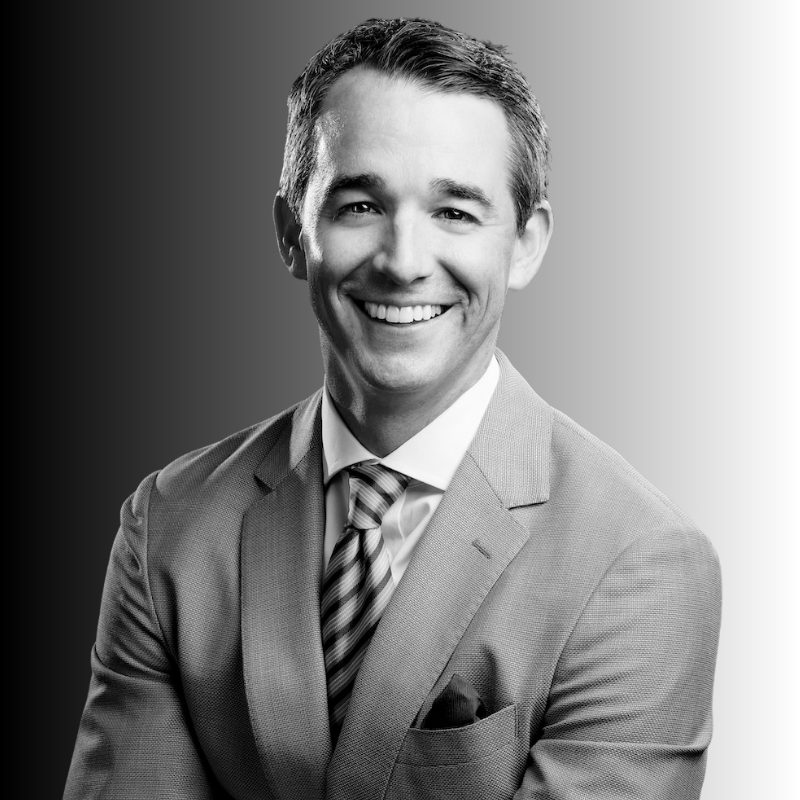
In a recent LinkedIn post, Sands explores the often-misunderstood dynamics of high-performing teams, drawing a surprising parallel to the legendary band The Beatles. Sands argues that true team excellence isn’t merely about assembling talented individuals, but about fostering an environment where those talents are amplified through constructive interaction and mutual challenge.
Sands begins by referencing a famous quote attributed to Steve Jobs, who described The Beatles as his business model. The key takeaway, according to Sands, was not uniformity of thought but the power of complementary differences.
“One pushed the idea forward. Another challenged it. Each person helped offset the others’ blind spots. And together, the result became greater than the sum of the parts.”
This principle, Sands suggests, is frequently overlooked by leaders who mistakenly believe that simply gathering skilled people will automatically result in a high-performing unit. In Sands’s view, the critical factor is how these individuals interact and elevate each other.
Beyond Individual Talent: The Importance of Team Dynamics
Sands emphasizes that building a team that makes each other better requires more than just high intelligence. Essential elements, as outlined in the post, include trust, honest communication, productive disagreement, and shared standards. Without these foundational components, even teams composed of highly capable individuals can falter.
When these elements are absent, Sands observes, team members may begin to protect their own ideas rather than collectively improving them, leading to less honest conversations and the personalization of disagreements. This can subtly erode performance over time.
Cultivating Constructive Friction for Better Outcomes
The core of Sands’s argument is that the best leaders actively create environments where challenges strengthen the work, rather than damage relationships. To achieve this, Sands proposes several key habits for leaders:
- Encourage respectful disagreement: Leaders should foster a culture where ideas can be challenged without attacking the person presenting them.
- Build teams with complementary strengths: Sands advises against seeking identical personalities, advocating instead for a diversity of thinking styles.
- Reward team contribution: Healthy organizations, according to Sands, recognize individuals who uplift the entire team, not just those with high individual output.
- Stay calm when ideas are challenged: Leaders play a crucial role in setting the emotional tone, determining whether disagreement feels safe or threatening.
Sands reiterates that the extraordinary success of The Beatles stemmed from their differences sharpening their collective output. The post posits that when they separated, their individual work, while still significant, never quite reached the same synergistic heights.
“Talent matters. But the environment around that talent matters even more. Because the highest-performing teams don’t eliminate friction. They turn friction into better thinking.”
Ultimately, Sands concludes that while talent is a necessary ingredient, the surrounding environment and the dynamics it fosters are even more critical. High-performing teams, in this perspective, do not avoid friction but rather harness it as a catalyst for superior thinking and innovation.
Sands also introduces a free ‘Leadership Readiness Quiz’ designed to assess trust, communication, accountability, and execution within leadership teams, providing a tool for leaders to evaluate their own team’s operational effectiveness.
📝 About This Content
This article is based on insights shared by Sands on LinkedIn.
📅 Originally posted on June 6, 2026 | View original post on LinkedIn →