
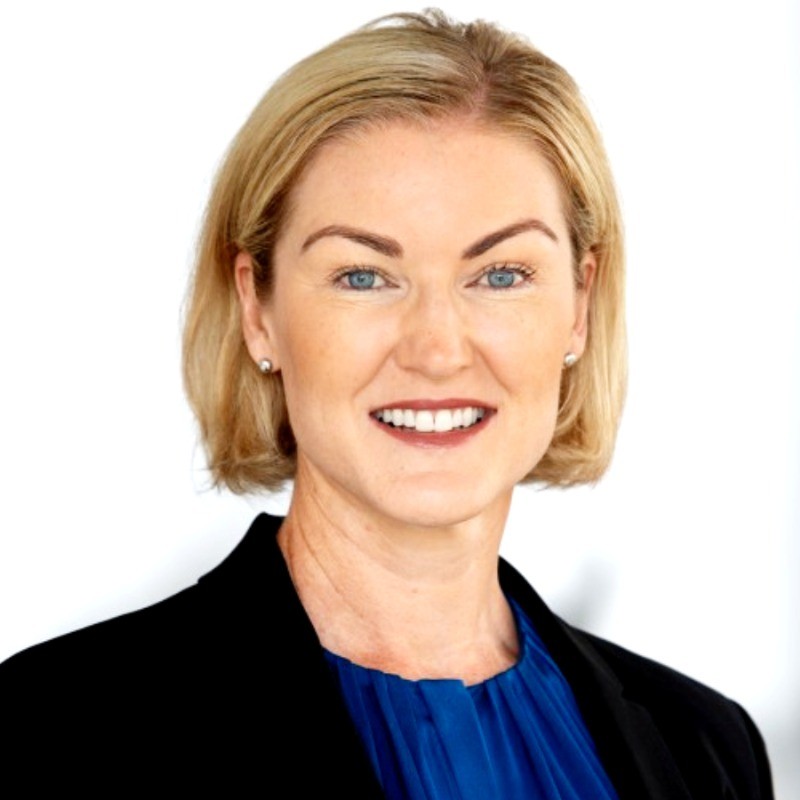
In a recent LinkedIn post, Nickiallitt discusses the complex interplay between economic data and the lived realities of individuals and businesses amidst rising global uncertainty. Nickiallitt highlights the findings of the World Economic Forum’s Chief Economists’ Outlook for May 2026, contrasting the report’s cautious economic projections with the tangible experiences of people worldwide.
Nickiallitt begins by setting the stage for this divergence: “When uncertainty rises, the numbers tell one story. People’s lived experiences tell another.” This framing immediately establishes the core tension Nickiallitt explores – the potential disconnect between macroeconomic indicators and the on-the-ground impact of economic shifts.
Analyzing the Chief Economists’ Outlook
The article delves into the specifics of the World Economic Forum’s report, as shared by Nickiallitt. According to Nickiallitt, the May 2026 edition of the Chief Economists’ Outlook presents a more guarded view of the global economic landscape compared to previous assessments. Nickiallitt points to the escalating conflict in the Middle East and the potential disruption of the Strait of Hormuz as key factors contributing to this cautious outlook. These geopolitical events, as detailed by Nickiallitt, are shown to have far-reaching consequences:
“The escalation of conflict in the Middle East and the closure of the Strait of Hormuz are reverberating across the global economy – disrupting supply chains, driving up energy and food prices, increasing financial volatility, and weighing on growth expectations.”
Nickiallitt emphasizes that these economic trends translate into significant real-world effects. The post underscores that the challenges are not merely abstract figures but have direct consequences for various stakeholders.
Interconnectedness of Global Challenges
A key theme that Nickiallitt draws from the report is the profound interconnectedness of current global challenges. The author notes that geopolitical tensions, the resilience of economies, and the well-being of populations are becoming increasingly intertwined. Nickiallitt argues that understanding these complex relationships is crucial:
“What stands out is not only the scale of the challenges, but how interconnected they are. Geopolitical tensions, economic resilience and human wellbeing are increasingly inseparable.”
This observation suggests that traditional, siloed approaches to economic analysis may be insufficient in the current climate. Nickiallitt implies that a holistic perspective is necessary to grasp the full scope of the economic situation.
The Importance of Dialogue and Leadership
In light of these complex and interconnected challenges, Nickiallitt concludes by stressing the importance of perception and proactive engagement. The post advocates for a dual approach: understanding the economic signals and fostering an environment conducive to solutions.
Understanding Signals and Creating Space
Nickiallitt highlights the critical need for accurate interpretation of economic indicators, especially during times of volatility. Furthermore, Nickiallitt calls for deliberate action to facilitate collaboration and strategic planning. As Nickiallitt puts it:
“At moments like this, understanding the signals matters. So does creating space for dialogue, collaboration and forward-looking leadership.”
This concluding thought from Nickiallitt serves as a call to action, urging leaders and stakeholders to not only comprehend the data but also to actively cultivate the conditions necessary for navigating uncertainty and charting a path forward. The insights shared by Nickiallitt, drawn from the World Economic Forum’s Chief Economists’ Outlook, provide a valuable perspective on the current global economic climate and the imperative for thoughtful, collaborative leadership.
📝 About This Content
This article is based on insights shared by Nickiallitt on LinkedIn.
📅 Originally posted on June 5, 2026 | View original post on LinkedIn →