
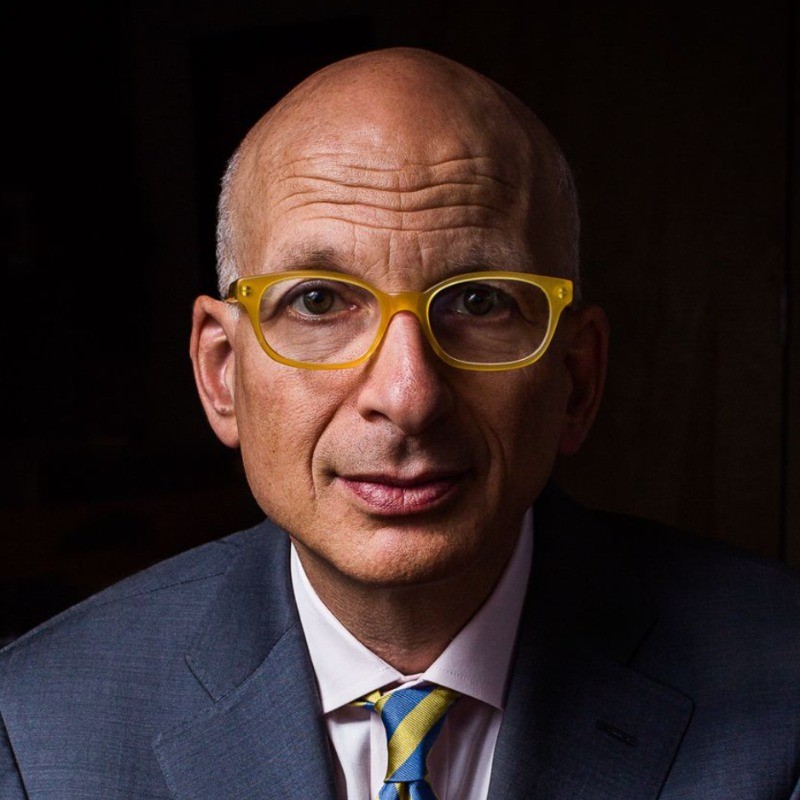
In a recent LinkedIn post, Sethgodin challenges conventional notions of what it means to be a “real artist” by exploring the historical and ongoing integration of technology into the creative process. Rather than viewing technology as a shortcut or a crutch, Godin argues that it has always been an integral tool for creators across various disciplines.
Godin begins by presenting a series of contrasts, highlighting how iconic artists and their methods have often been intertwined with the technological tools of their time. He writes:
Real artists do all the painting themselves, not like Rembrandt
Real artists use brushes, not technology like Cartier-Bresson
Real writers write it out by hand, not like Jack Kerouac
Real musicians record it live, not like Steely Dan
Real singers sing without processing, not like Kanye West and Daft Punk
Real directors do the prep without AI, not like Martin Scorsese
The Enduring Role of Technology in Art
The core of Godin’s argument is that the definition of a “real artist” has never precluded the use of available technology. Throughout history, artists, writers, musicians, and filmmakers have adopted new tools to enhance their craft and reach their audience. From the paintbrushes used by old masters to the recording equipment of modern musicians, technology has consistently been a partner in creation, not an adversary.
As Godin points out, the common thread among these creators is not their method of creation, but the outcome and the intent behind it. He states:
It turns out that real artists have always used technology. What they have in common is intent, responsibility, and the ability to create a feeling in the audience.
Intent, Responsibility, and Connection
Godin emphasizes that the true measure of an artist lies in their intention, their sense of responsibility for the work, and their ability to evoke an emotional response in their audience. These qualities are independent of the specific tools used. Whether an artist is using a quill pen or a word processor, a hand-mixed pigment or a digital synthesizer, the ultimate goal remains the same: to connect with the audience and convey a message or feeling.
The simple, yet profound, declaration that serves as the post’s conclusion encapsulates this idea:
“Here, I made this.”
This statement, according to Godin, signifies ownership, accountability, and the personal stamp of the creator, regardless of the technological assistance involved. He suggests that this act of creation, of bringing something into existence with purpose, is what defines artistry.
Navigating the Modern Creative Landscape
Godin’s insights are particularly relevant in an era where AI and other advanced technologies are rapidly changing the creative landscape. By framing technology as a long-standing ally of artists, he encourages a more nuanced perspective. Instead of fearing or rejecting new tools, creators are prompted to consider how they can be leveraged to enhance intent, responsibility, and audience connection. The focus, as Godin implies, should remain on the human element—the vision, the effort, and the emotional impact—that technology can help amplify but never replace.
📝 About This Content
This article is based on insights shared by Sethgodin on LinkedIn.
📅 Originally posted on June 7, 2026 | View original post on LinkedIn →