
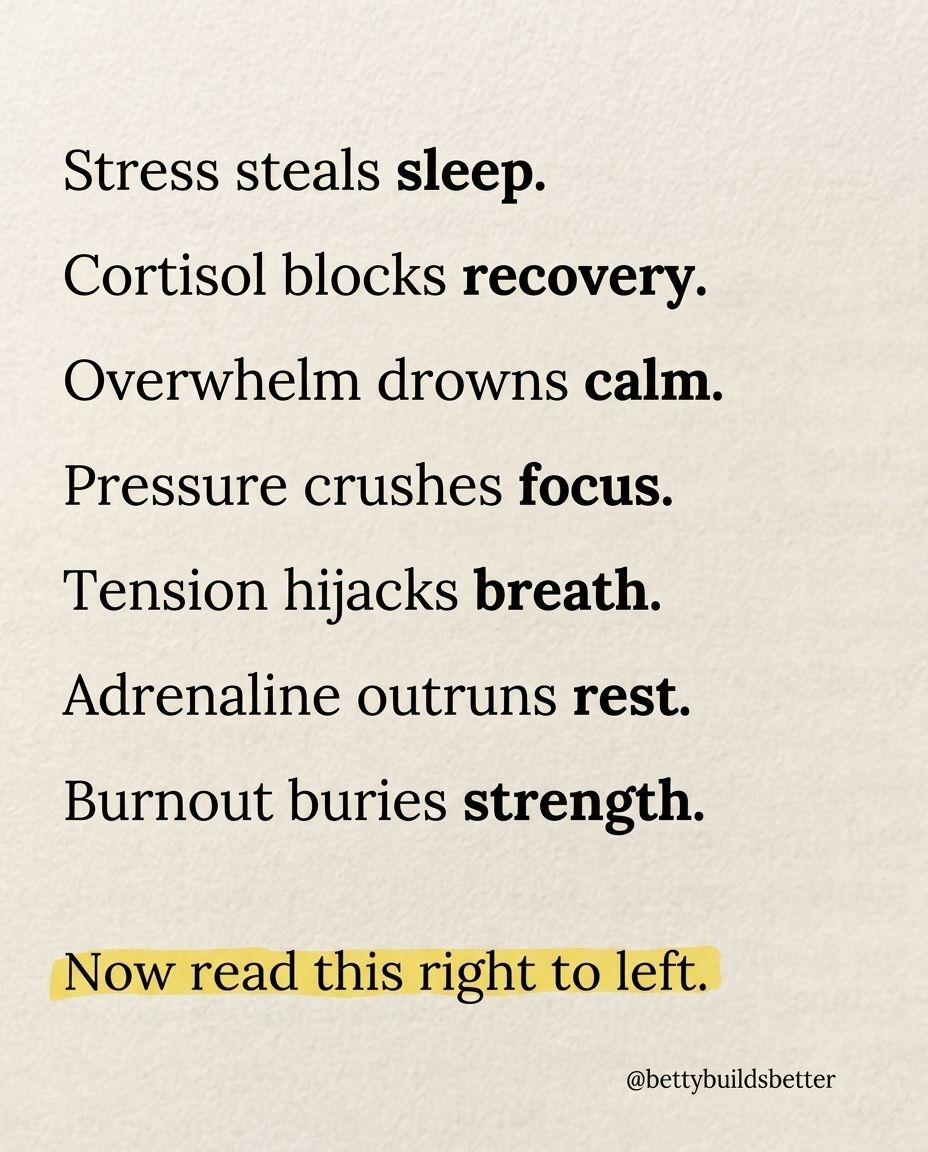
In a recent LinkedIn post, Liz Bradford offers a compelling reframing of common feelings of exhaustion and overwhelm, arguing that they are not personal failings but rather indicators of an overdrawn internal system. Bradford challenges the tendency to label symptoms like fatigue, irritability, and falling behind as character flaws, instead presenting them as the nervous system signaling it has reached its reserves.
Bradford’s core argument is that the way we interpret these feelings is crucial. “Read from the top down, those four symptoms look like a character problem. Read from the body up, they are a nervous system reporting live from the edge of its reserves,” she writes. This distinction, according to Bradford, shifts the narrative from self-blame to understanding the physiological impact of prolonged stress.
“Same signals. Completely different story.”
The post breaks down the four common symptoms – tired, snappy, flat, and behind – and reinterprets them through the lens of a depleted system. Bradford explains:
- Behind: your brain is rationing energy it does not have
- Flat: your stress response has turned itself down to protect what is left
- Snappy: your threat system is running with no buffer
- Tired: the bill has arrived for months of pushing through
The Cost of Chronic Stress Activation
Liz Bradford points to research linking sustained stress to tangible cognitive and emotional deficits. “The American Psychological Association links long-term stress activation to measurable declines in memory, attention and emotional control,” she notes, emphasizing that these are not signs of a lack of discipline but rather a consequence of accumulated stress.
Bradford argues that this state of being “under-recovered” is not a permanent condition but a temporary state that can be addressed. She highlights that the issue is not an individual’s character but the demands placed on their system, leading to a “recovery debt.”
“This is not a discipline failure. It is a recovery debt – and debts have causes that have nothing to do with your character.”
Practical Steps to Rebuild Reserves
To help individuals move away from self-recrimination, Bradford suggests checking three fundamental areas before attributing symptoms to personal failing. These practical, actionable steps are designed to help rebuild depleted reserves:
1. Prioritize Quality Sleep
Bradford stresses the importance of genuine rest, not just time spent in bed. “Seven hours of real sleep, not seven hours in bed,” she specifies, underscoring the qualitative aspect of sleep necessary for recovery.
2. Ensure Proper Fueling
The post advises addressing basic physiological needs. “Something to eat before noon, before the coffee does the talking,” is a simple yet critical reminder to fuel the body adequately, especially during stressful periods.
3. Incorporate Screen-Free Pauses
Bradford advocates for deliberate breaks that allow for mental decompression. “One proper break with no screen and no input” is recommended to give the nervous system a chance to genuinely switch off and recover.
Shifting the Narrative from Failing to Functioning
According to Liz Bradford, neglecting even two of these three essential elements means the prevailing issue is the external load, not an internal character flaw. “Miss two of the three and the load is the story. Look there before you look at yourself,” she advises. This perspective encourages individuals to assess their environmental and systemic stressors rather than solely focusing inward on perceived personal shortcomings.
Bradford concludes with an empowering message: “Under-recovered is a state. You can change a state this week.” By shifting the focus from personal blame to system overload and implementing practical recovery strategies, individuals can begin to address feelings of burnout and reclaim their well-being.
📝 About This Content
This article is based on insights shared by Liz Bradford on LinkedIn.
📅 Originally posted on June 22, 2026 | View original post on LinkedIn →