
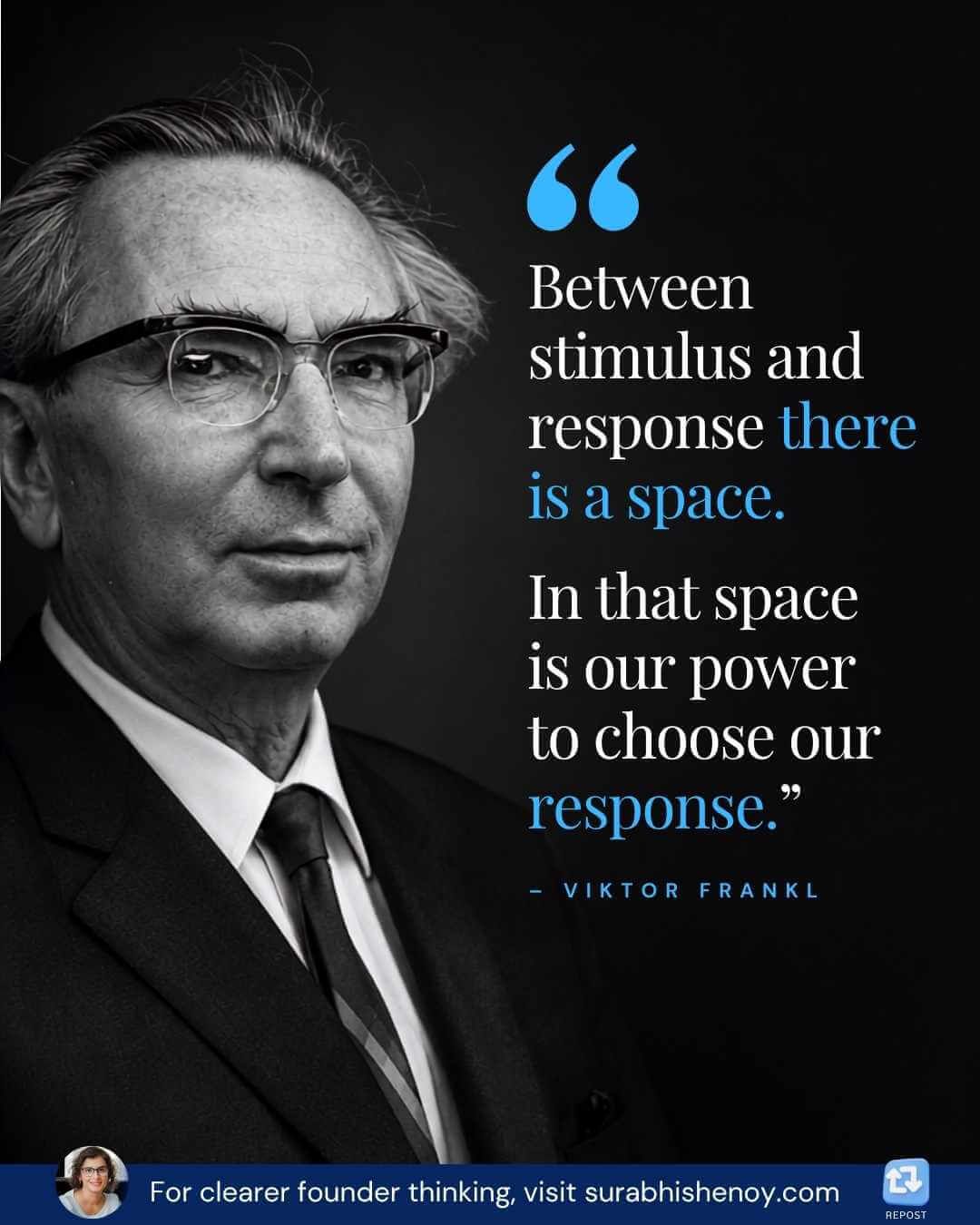
In a recent LinkedIn post, Surabhi Shenoy discusses the critical importance of taking 100% responsibility for one’s situation, particularly for founders and leaders. Shenoy argues that the moment blame enters the picture, professional leverage is lost, regardless of external circumstances.
Shenoy highlights common scenarios where blame might arise, such as a slow market, team underperformance, scope creep from clients, or failed hires and deals. While acknowledging that these situations may be factually true, Shenoy asserts that they do not provide a path forward.
The moment you blame, you lose your leverage.
According to Shenoy, the antidote to this loss of control is embracing 100% responsibility. This approach shifts the focus inward, prompting the crucial question: “What is still mine here?” Shenoy explains that this question re-empowers individuals by identifying their sphere of influence and control.
The Power of Responsibility in Leadership
Shenoy further elaborates on this philosophy, drawing parallels to their work in coaching founders. They express a preference for working with entrepreneurs who refuse to cede their power to external factors like market conditions, team dynamics, client demands, or global events.
While acknowledging that leaders may experience disappointment, fatigue, or even anger in challenging times, Shenoy emphasizes that the ability to return to a constructive question is key. This question, “What can I do from here?”, is presented as a transformative tool.
That question changes the energy immediately. You move from feeling helpless to being in-charge.
Shenoy posits that adopting this responsible mindset not only shifts personal energy but also leads to more effective growth decisions. The post underscores that this leadership quality is essential for the well-being and direction of a team.
Shifting from Helplessness to Empowerment
The core message from Surabhi Shenoy’s post is that external factors, while influential, should not dictate a leader’s response. Instead, by focusing on what is within their control – their own actions and decisions – leaders can navigate difficulties more effectively.
Taking 100% responsibility does. Responsibility asks: What is still mine here? That question puts power back in your hands.
Shenoy concludes by posing a direct question to their audience, prompting self-reflection on current tendencies towards blame. This interactive element encourages readers to consider their own leadership approach and its impact on their current situation.
📝 About This Content
This article is based on insights shared by Surabhi Shenoy on LinkedIn.
📅 Originally posted on June 26, 2026 | View original post on LinkedIn →