
In a recent LinkedIn post, Patricia Wooster challenges conventional notions of expertise, arguing that true strategic knowledge is forged not in academic settings but through hands-on experience and overcoming real-world challenges. Wooster emphasizes that practical application, with its inherent risks and consequences, is the crucible where genuine expertise is built.
Wooster begins by asserting that her strategic acumen was not acquired through formal education or certifications. Instead, she details a path paved with personal entrepreneurial ventures and the trust placed in her by long-standing clients. This direct engagement with high-stakes situations, she suggests, is the actual birthplace of expertise.
“I learned it in the thick of it, where the stakes were real.”
Beyond Theory: The Practice of Expertise
Wooster contends that the process of building expertise is frequently oversimplified, particularly when it comes to discussions around “monetizing expertise.” She posits that expertise is far more than just possessing knowledge; it encompasses the resilience and problem-solving capabilities developed through navigating difficult circumstances.
The Dangers of Oversimplification
The post highlights the critical distinction between theoretical knowledge and practical wisdom. Wooster points out that in real-world scenarios, the decisions made have tangible outcomes, and the mistakes made carry unavoidable consequences. This direct accountability, she argues, is a fundamental component of developing robust expertise that cannot be replicated in a purely academic environment.
“That is where expertise gets built. Not in theory. In practice.”
As Patricia Wooster notes, this hands-on learning involves a personal investment that goes beyond simple information acquisition. It requires individuals to confront challenges head-on, making decisions they must ultimately defend.
Defining Expertise Through Action and Resilience
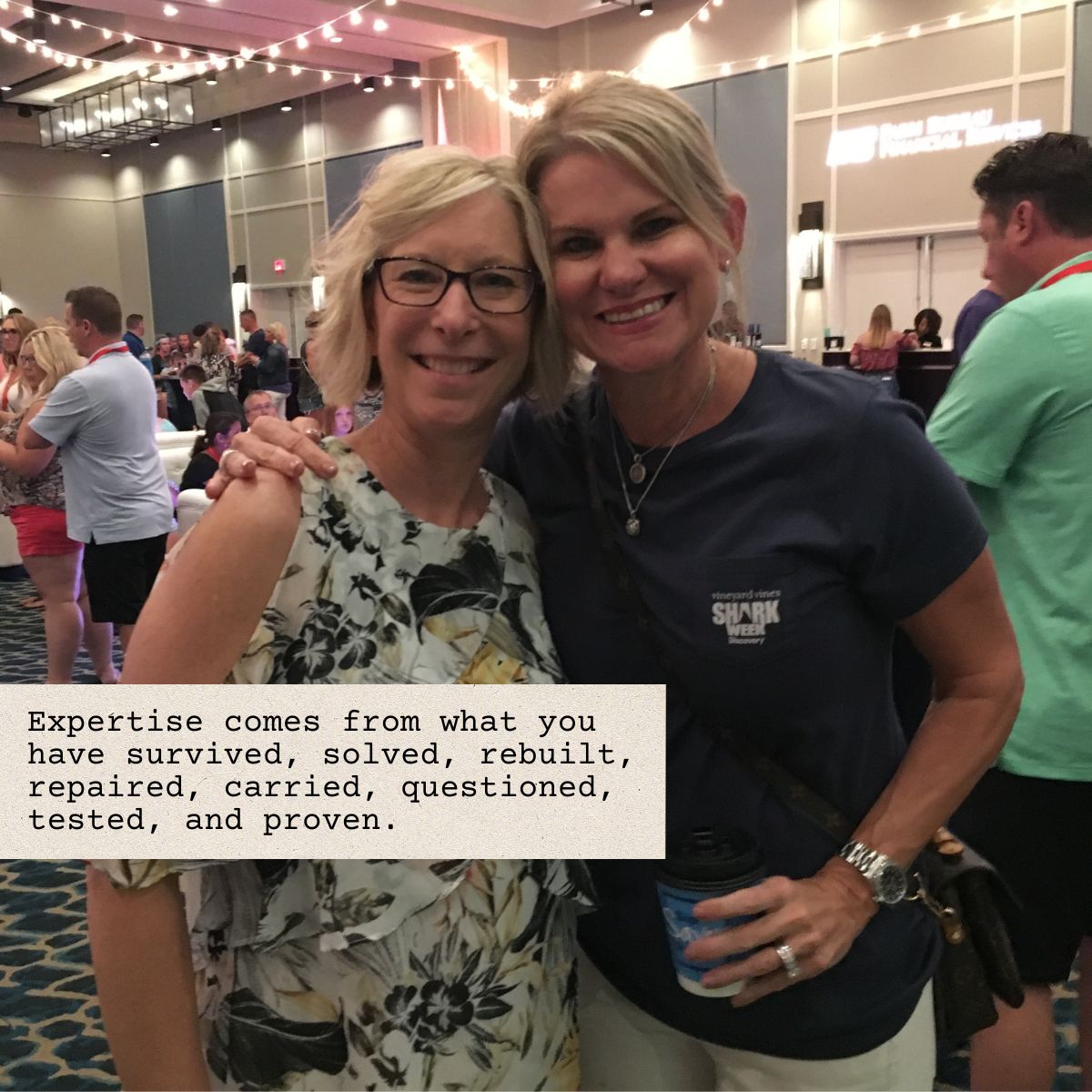
Wooster expands on her definition of expertise by listing the active processes involved: surviving, solving, rebuilding, repairing, carrying, questioning, testing, and proving. These are not passive intellectual exercises but active engagements with complex problems and situations.
“Your expertise is not just what you know. It is what you have survived, solved, rebuilt, repaired, carried, questioned, tested, and proven.”
According to Wooster, the journey of an expert is marked by a series of trials and tribulations. These experiences, she argues, are what truly differentiate a seasoned professional from someone who merely possesses theoretical knowledge. The ability to navigate, learn from, and ultimately succeed despite these challenges is the hallmark of true expertise.
In conclusion, Patricia Wooster’s insights, shared via her LinkedIn post, serve as a powerful reminder that while formal education has its place, the most profound and actionable expertise is often cultivated through the demanding, yet ultimately rewarding, process of practical application and resilience.
📝 About This Content
This article is based on insights shared by Patricia Wooster on LinkedIn.
📅 Originally posted on July 2, 2026 | View original post on LinkedIn →