
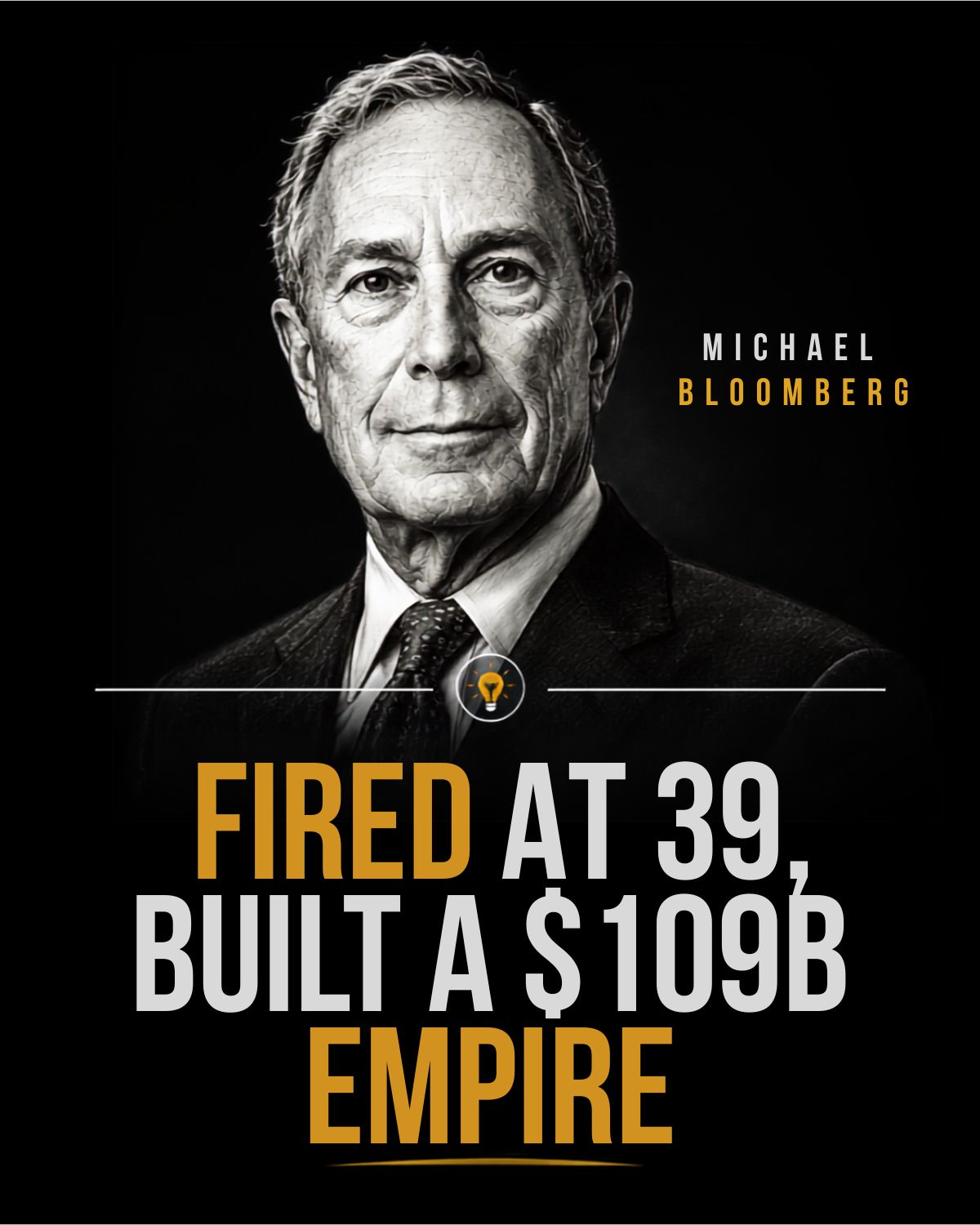
In a recent LinkedIn post, Ani Filipova highlights how significant career setbacks can serve as powerful catalysts for innovation and entrepreneurship, using the story of Michael Bloomberg as a prime example. Filipova emphasizes that the true value of a severance package or career break lies not in its monetary amount, but in the ‘runway’ it provides for exploring new possibilities.
Filipova begins by recounting Bloomberg’s experience after being acquired by Salomon Brothers in 1981. Despite his 15 years and partner status, he lost his job, along with his established career path.
“He lost the role, status, and career path he had worked so hard to build, but he did walk away with a $10 million payout.”
However, Filipova pivots from the financial aspect to the strategic opportunity this presented. She suggests that while the payout might be unique, the concept of a ‘runway’ is universally applicable to anyone facing a job loss, redundancy, or career break.
The Power of the ‘Runway’
According to Ani Filipova, the crucial question after a job loss isn’t necessarily ‘Where should I work next?’ but rather ‘What could I build from what I already know?’ This reframing, she argues, shifts the focus from seeking a similar role to identifying opportunities for innovation based on existing expertise.
Filipova explains the impact of this mindset shift through the Bloomberg narrative:
“Instead of, ‘Where should I work next?’ he began to ask: ‘What could I build from what I already know?’”
This internal questioning led Bloomberg to identify a critical gap in the financial industry: the difficulty in accessing and utilizing real-time market data efficiently. His solution was to build a platform that consolidated this information, ultimately creating Bloomberg LP.
A Growing Trend in Professional Development
As Ani Filipova observes, this entrepreneurial mindset is becoming increasingly prevalent among professionals. Many are beginning to consider how their accumulated experience can be transformed into ventures such as businesses, products, advisory services, or communities.
Filipova points out that while returning to a traditional job remains a valid option, periods of redundancy or career transition offer a unique window of opportunity.
“But the point of the story isn’t about the amount. It’s about the runway that payout created.”
She encourages professionals to view these moments not just as endings, but as potential beginnings. The ‘runway’ provides a chance to explore self-initiated projects before committing to another conventional role.
Assessing Career Options
To help individuals gauge their current career flexibility, Filipova offers a resource for self-assessment. She suggests that understanding whether one’s career is actively creating options is key to seizing such entrepreneurial opportunities when they arise.
In Filipova’s view, proactively building ‘career optionality’ can empower individuals to navigate job transitions more strategically, potentially leading to fulfilling and impactful new ventures.
For those interested in exploring their own career options, Filipova directs readers to her free Career Optionality Quiz.
📝 About This Content
This article is based on insights shared by Ani Filipova on LinkedIn.
📅 Originally posted on July 21, 2026 | View original post on LinkedIn →