
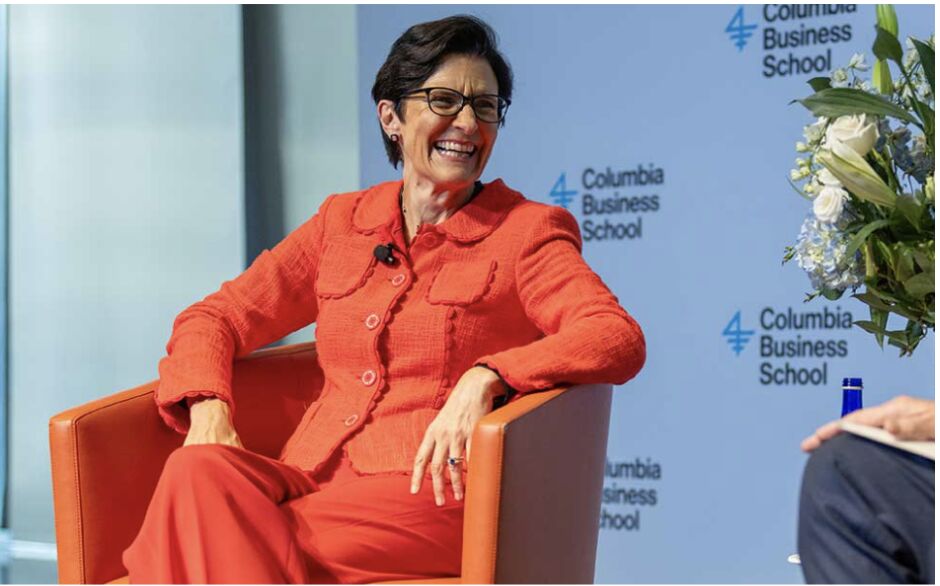
In a recent LinkedIn post, Callum Laing discusses the crucial difference between focusing on process versus results, using the career trajectory of Jane Fraser, CEO of Citi, as a key example. Laing highlights how a shift in perspective from a linear, step-by-step plan to an end-goal-oriented approach can fundamentally alter career development.
The Perils of Process-Driven Planning
Callum Laing begins by posing a direct question to his audience: “Do you think in terms of process or results?” He then elaborates on how Fraser, in her early career, initially approached her ‘Career Development Plan’ with a focus on process. This involved mapping out a series of roles she intended to occupy sequentially.
“When she was asked for her ‘Career Development Plan’ she focused on process. I’ll get this role, then this one, then this one.”
According to Laing, this process-centric view was challenged by her then-CEO. The advice given was to “start with the end in mind and then start building the connections, knowledge and experiences that would make her great in that role.” This anecdote serves as the central thesis for Laing’s argument about effective career and professional development.
Building Value Through an Outcome-Oriented Approach
Laing extends this principle to the methodologies taught at Veblen Directors, suggesting that individuals have a choice in how they pursue their professional goals. He contrasts the passive accumulation of qualifications with a proactive strategy aimed at developing the specific competencies required for desired positions.
“Sure you can focus on process, collect more training programs and certificates, hope someone offers you a board seat,” Laing writes, outlining the less effective path. He contrasts this with the alternative:
“Or you can start building the skills, knowledge, connections and experience that your dream board job is going to need and become too valuable to ignore.”
In Laing’s view, this proactive, results-oriented strategy makes individuals indispensable. By focusing on the ultimate objective and cultivating the necessary attributes, professionals can position themselves as essential assets rather than merely following a prescribed path.
The Strategic Advantage of Focusing on the End Goal
Laing emphasizes that the end-goal approach is not just about ambition, but about strategic development. It involves identifying the desired outcome—be it a specific role, a level of influence, or a particular impact—and then reverse-engineering the steps needed to achieve it. This includes acquiring relevant knowledge, building a robust network, and gaining practical experience that directly aligns with the target position.
As Callum Laing points out, this method fosters a more targeted and impactful approach to professional growth. Instead of waiting for opportunities to align with a pre-defined process, individuals actively shape their development to meet the demands of their aspirational roles, ultimately making them “too valuable to ignore.”
The post concludes with an invitation for connection, suggesting that Laing offers further resources related to his insights. This reinforces his position as a thought leader sharing practical advice for career advancement.
📝 About This Content
This article is based on insights shared by Callum Laing on LinkedIn.
📅 Originally posted on July 22, 2026 | View original post on LinkedIn →