
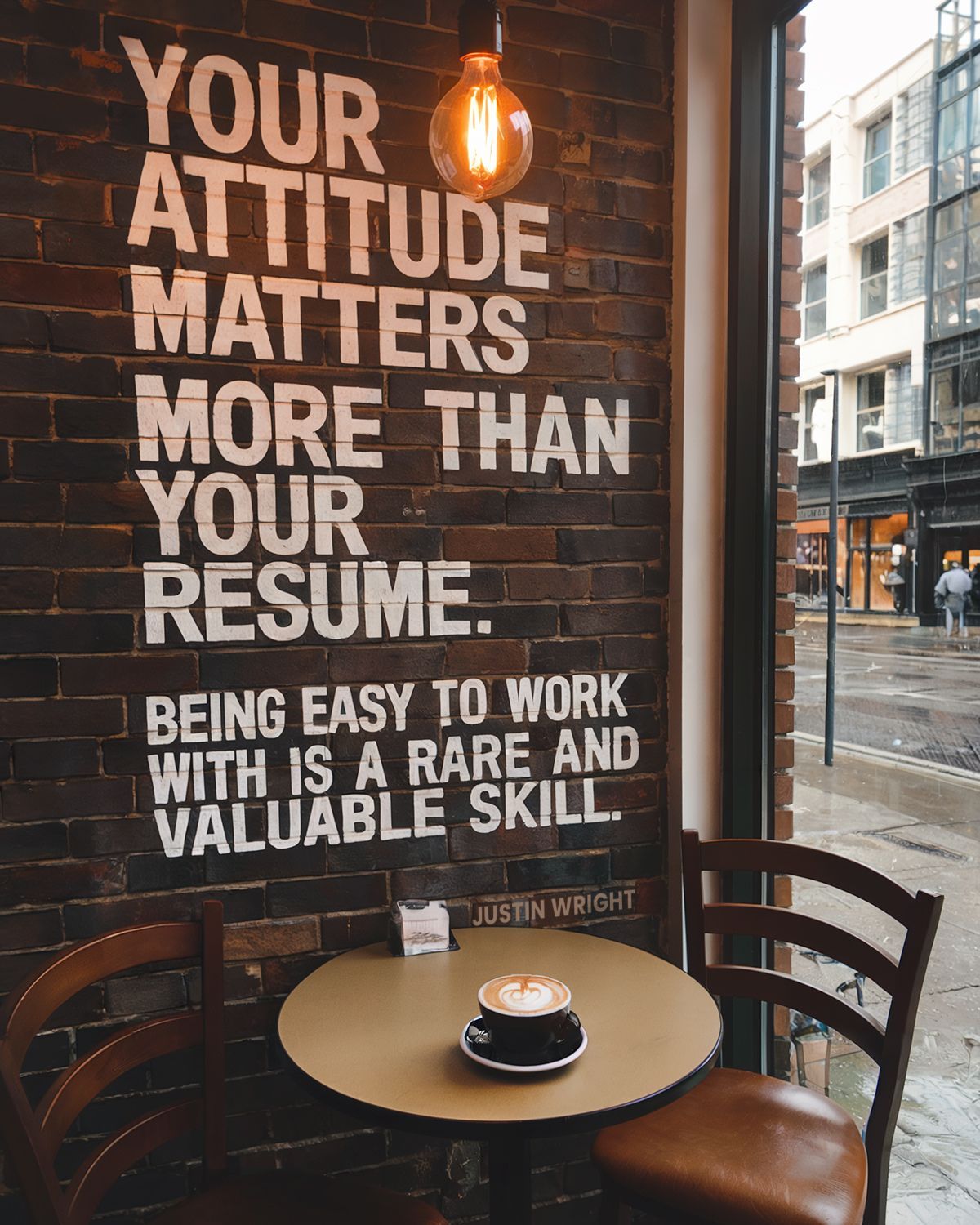
In a recent LinkedIn post, Justin Wright explores the often-overlooked, yet profoundly impactful, quality of being “easy to work with.” Wright argues that this trait, while seemingly simple and costing nothing financially, is a rare and valuable asset in professional environments, often surpassing technical skills acquired through formal education.
Wright highlights the fundamental human element in career progression, suggesting that how one makes colleagues feel is a more significant driver of success than raw knowledge alone. He poses a direct question to those aspiring to advance: “Want to move up in your career? The real secret isn’t just what you know. It’s how you make others feel working with you.”
The Core Components of Being Easy to Work With
According to Wright, cultivating this desirable professional attribute involves a set of actionable behaviors. He outlines key characteristics that define individuals who are easy to collaborate with:
- Solving problems proactively rather than merely identifying them.
- Demonstrating attentiveness by remembering personal details about colleagues.
- Ensuring reliable delivery of tasks without constant supervision.
- Maintaining composure and calmness during high-pressure situations.
- Communicating with honesty tempered by kindness.
Wright emphasizes that these qualities are not typically taught in academic settings but are crucial for team dynamics and individual advancement. He states,
“It’s the one thing that can’t be taught in school. Yet it’s what everyone looks for in a teammate.”
The Tangible Benefits and Costs of Professional Demeanor
The impact of being easy to work with extends beyond interpersonal comfort, translating into concrete professional advantages. Wright points out that individuals who embody these traits:
- Build lasting trust, even through challenging times.
- Are frequently invited to participate in significant, career-defining projects.
- Forge connections that unlock opportunities otherwise inaccessible.
- Receive constructive feedback that accelerates personal and professional growth.
Conversely, Wright warns of the detrimental effects of being difficult to collaborate with. Such individuals, he notes, tend to:
- Miss out on collaborative opportunities.
- Introduce friction that impedes team progress.
- Become excluded from crucial discussions.
- Damage relationships that might be needed in the future.
Wright uses a powerful analogy to underscore his point about attitude versus skills:
“You can be the smartest, most talented person. But let’s be honest. The finest talent without a good attitude is like a Ferrari without fuel. Impressive to look at, but it won’t take you anywhere.”
Human Connection in the Professional Realm
Ultimately, Wright concludes that the hiring and collaboration process is deeply human. While skills are important, the decision to work with someone often hinges on personal compatibility and the overall experience of interacting with them. He advises readers,
“In the end, people don’t just hire skills. They choose humans they want to spend time with. Be that human.”
Wright’s insights serve as a reminder that developing strong interpersonal skills and a positive attitude can be a strategic career move, fostering trust, opening doors, and creating more fulfilling professional relationships.
📝 About This Content
This article is based on insights shared by Justin Wright on LinkedIn.
📅 Originally posted on July 30, 2026 | View original post on LinkedIn →