
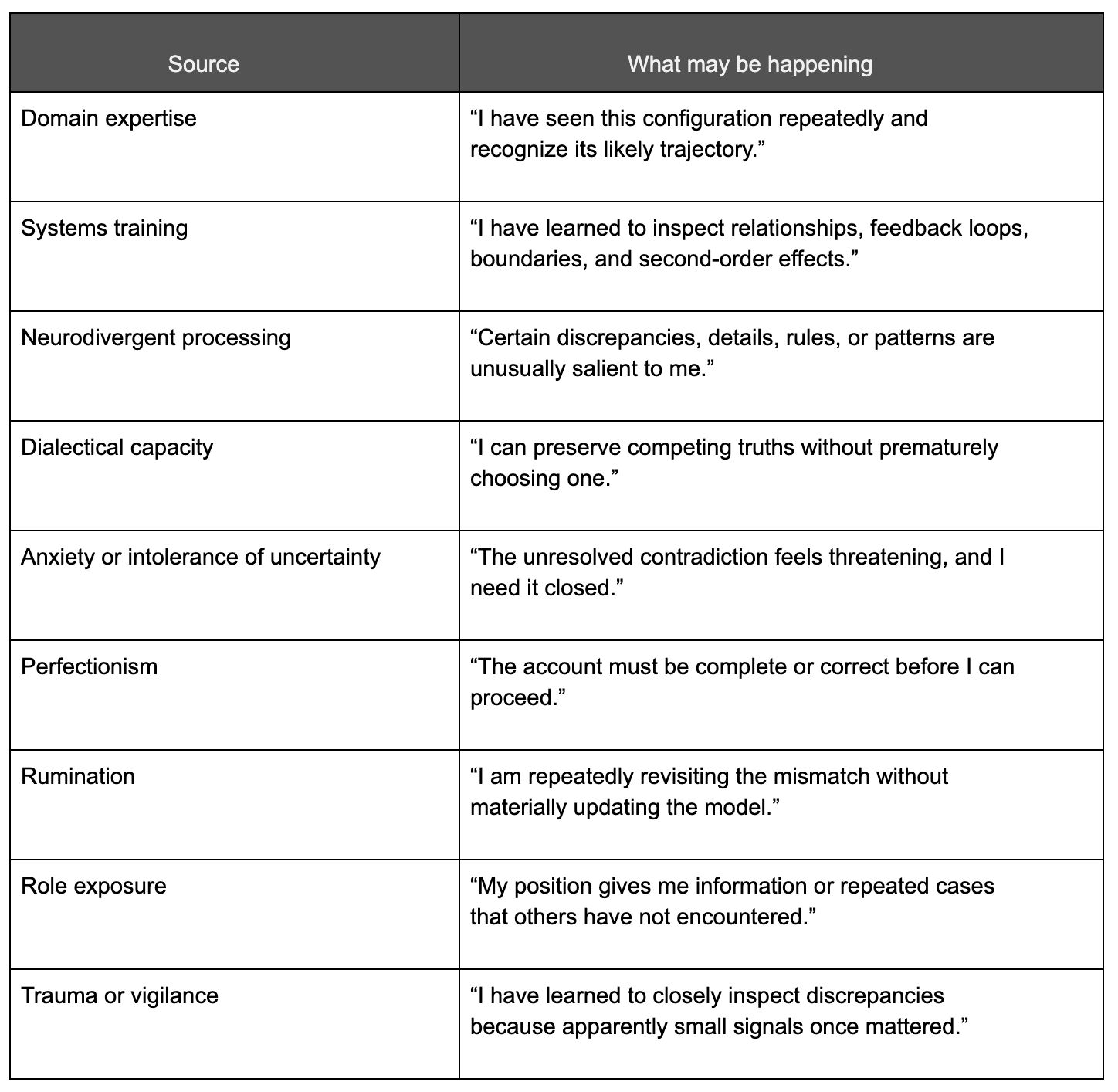
In a recent LinkedIn post, John Cutler explores the complexities of linking specific behaviors to predefined ‘types’ of people, arguing for a more nuanced approach to understanding human actions.
Cutler begins by highlighting a fundamental challenge in behavioral analysis: the tendency to oversimplify by assigning actions to rigid categories. He points out the difficulty in this approach, stating:
“The problem with linking ‘types’ to behaviors is that there can be MANY parallel contextual predispositions that lend themselves to a certain behavior.”
As Cutler elaborates, these predispositions can stem from deeply personal and difficult-to-articulate origins. The pursuit of understanding these origins, he suggests, can often lead to an exhaustive, and perhaps futile, attempt to reconstruct an entire individual’s life story.
The Limits of ‘Typecasting’
John Cutler argues that focusing on ‘what type of person does this?’ is a less effective framework than understanding the immediate context and cognitive processes at play. He suggests that this ‘typecasting’ can obscure the real drivers of behavior.
According to Cutler, the attempt to categorize individuals can become a circular and unproductive exercise. He notes the inherent complexity of human beings, which resists simple classification:
“These might come from more/less difficult to discuss places. But even the discussion of origin can run you in circles. We are complex creatures.”
This complexity, Cutler implies, means that a person’s actions are rarely attributable to a single, fixed trait or ‘type’. Instead, a confluence of factors, often influenced by immediate circumstances, shapes their choices.
Shifting the Focus to Cognitive Processes
To gain a more accurate understanding of behavior, John Cutler advocates for a shift in perspective. Instead of asking about the ‘type’ of person, he proposes focusing on the ‘doing’ – the cognitive actions, the conditions under which they occur, and their subsequent outcomes.
In Cutler’s view, this cognitive-behavioral lens offers a more practical and insightful path. It moves away from abstract labels and towards observable actions and their immediate situational and mental contexts.
Understanding the ‘How’ and ‘Under What Conditions’
Cutler suggests that a more productive line of inquiry involves examining:
- What a person is cognitively doing.
- The specific conditions under which these actions take place.
- The immediate and downstream consequences of these actions.
He frames this alternative approach by stating:
“Eventually the origin story becomes an attempt to reconstruct an entire person. It can be helpful to focus less on: ‘What type of person does this?’ And more on: ‘What is this person doing cognitively, under what conditions, and with what consequences?'”
By adopting this more granular and context-aware perspective, as John Cutler proposes, individuals and organizations can move beyond potentially misleading generalizations and gain a deeper, more actionable understanding of behavior.
📝 About This Content
This article is based on insights shared by John Cutler on LinkedIn.
📅 Originally posted on August 1, 2026 | View original post on LinkedIn →