
In a recent LinkedIn post, Leslie Greenwood shares a deeply personal and frustrating experience with Airbnb, questioning the company’s decision to prioritize policy over individual circumstances. Greenwood, a long-time user of the platform, details a stressful situation involving her daughter’s surgery and a series of issues with an Airbnb rental that ultimately led to a sudden cancellation, forcing them to relocate.
The ordeal began when Greenwood arrived in San Diego for her daughter’s surgery on July 29th, planning to stay through her follow-up appointment. The initial booking was for August 3rd to August 12th. However, an unexpected heatwave made the lack of air conditioning in the rental a critical issue. Her daughter even fainted from the heat on August 2nd.
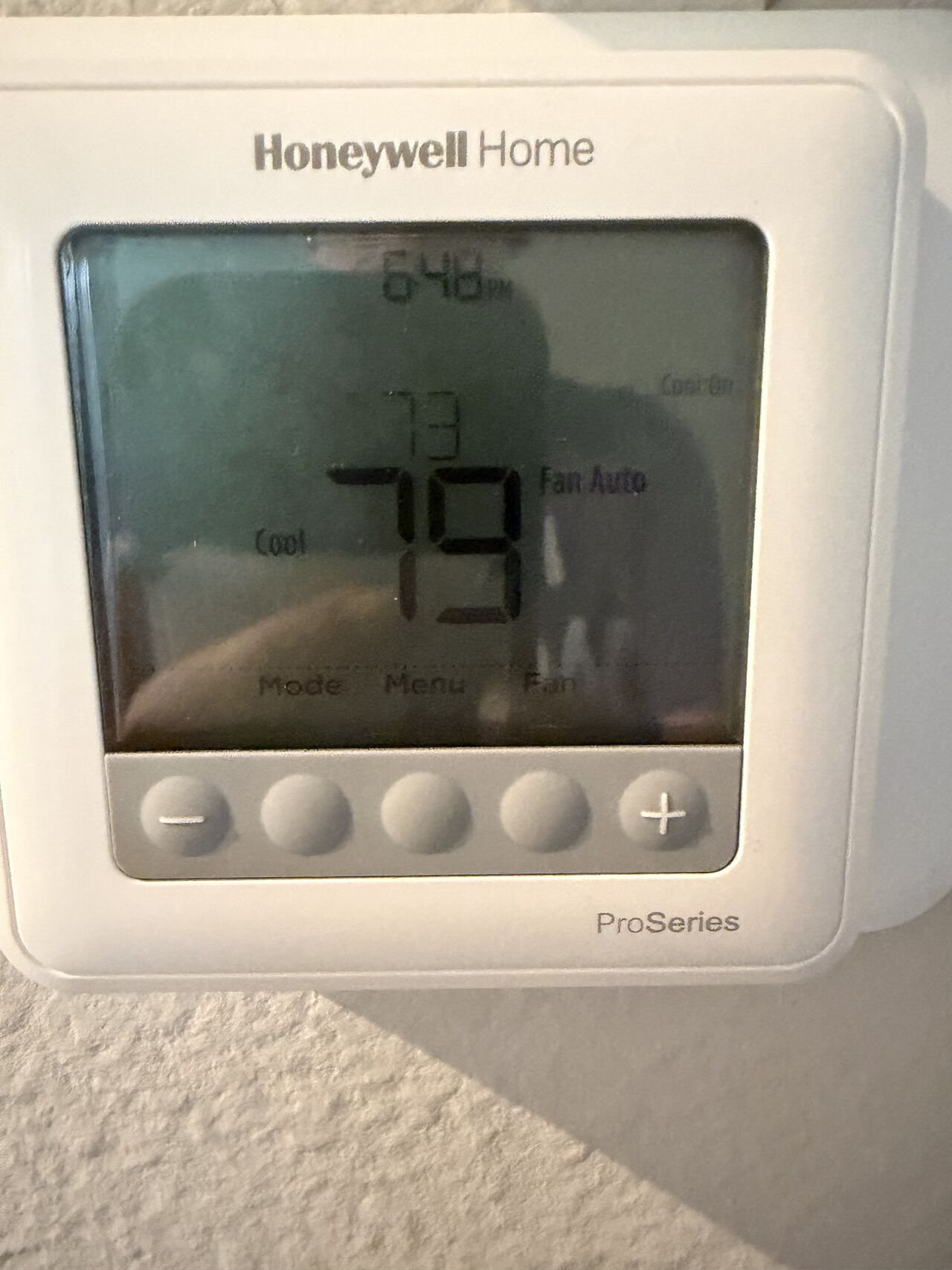
“On 8/2 she fainted from the heat. I booked an Airbnb for 8/3-8/12. They ask me why I’m booking and I explain the situation. Their response. “I am sorry its hot over there. We have really nice AC for you at the house.” We arrive and the thermostat says 79.”
Despite the host’s assurances, upon arrival, the Airbnb’s thermostat was set to 79 degrees Fahrenheit. While a repairman was called that night, the problem persisted. The host offered a $200 credit due to the inconvenience, but the issues continued, including no hot water for more than one shower and no functioning air conditioning until August 6th. Throughout this period, multiple repairmen visited the property, and the host agreed to a $200 discount per night until the AC was fixed.
The Conflict Between Policy and Human Needs
Greenwood recounts the escalating frustration when, on August 6th, she received a notification that her reservation was cancelled, requiring her and her daughter to move out that same day. This abrupt cancellation, amidst a stressful recovery period, led to multiple calls with Airbnb customer service.
As Greenwood details, the customer service interactions were fraught with unfulfilled promises and a rigid adherence to company policy. She highlights several points of contention:
- Promises to send alternative listings were not fulfilled.
- Confusion and concern arose over charges exceeding $1400 for three nights, with unclear information about potential refunds and fees, even though she had rebooked another Airbnb and was now incurring double fees.
- Attempts to speak with a manager were met with the expectation that the policy would remain unchanged.
“There was no consideration for the PERSON. The person who has never once made a complaint to AirBnb. The person that was more than amenable to let the host try to work it out. The person who is trying to take care of her daughter.”
Greenwood emphasizes that throughout this ordeal, she was amenable to working with the host and understood the complexities of home repairs. Her primary concern was the well-being of her daughter and managing the situation with minimal additional stress.
A Missed Opportunity for Empathy
The core of Greenwood’s critique lies in what she perceives as Airbnb’s failure to exercise empathy and flexibility. She argues that the situation presented a significant opportunity for Airbnb to demonstrate customer care beyond the confines of their standard operating procedures.
Instead of acknowledging the immense stress and pressure she was under, Greenwood felt the company defaulted to its established policies. She contrasts this with her own business philosophy, sharing a quote from a personal email:
“My only request would be to please keep this between us as it’s not the “policy”. But policies don’t take into account the nature of life. 💜”
Greenwood concludes that this experience has highlighted a critical business dilemma: the tension between maintaining consistent policies and the necessity of human-centered decision-making, especially in challenging personal circumstances. Her post serves as a call for businesses to consider the individual human element when applying rules and regulations.
📝 About This Content
This article is based on insights shared by Leslie Greenwood on LinkedIn.
📅 Originally posted on August 9, 2026 | View original post on LinkedIn →