
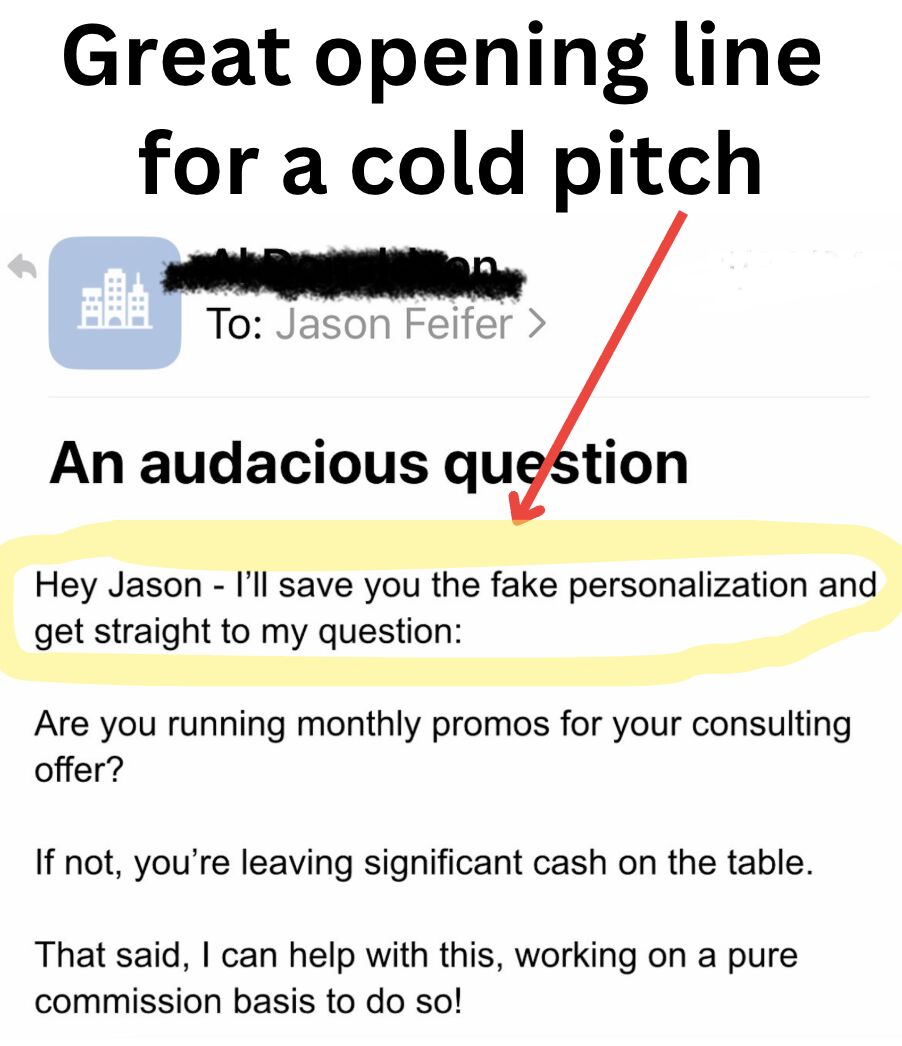
In a recent LinkedIn post, Jason Feifer discusses a pervasive and detrimental trend in modern sales outreach: the rise of “fake personalization.” Feifer, an entrepreneur and editor-in-chief of Entrepreneur magazine, argues that while genuine personalization is key to effective communication, the increasing reliance on AI to mimic it is backfiring, eroding trust rather than building it.
The Erosion of Trust Through Inauthentic Outreach
Feifer’s post highlights how salespeople, often leveraging AI tools, are flooding inboxes with pitches that appear personalized but are, in reality, generic and easily detectable as insincere. He points to common tactics where senders reference generic compliments, such as mentioning a podcast the recipient was on or an article they wrote, without any evidence of genuine research.
“I get SO many pitches full of ‘compliments’ — people saying they loved me on a podcast, or loved something I wrote, or see my interests in certain subjects.”
According to Feifer, this strategy is fundamentally flawed. He contends that this superficial attempt at connection is worse than no personalization at all, as it begins the relationship with a clear act of deception.
“Garbage. They never heard the podcast, read that thing, or researched me at all.”
Feifer argues that this practice sends a damaging message to potential clients. In his view, fake personalization is a direct contradiction of the trust that sales aims to build.
“Fake personalization basically says: ‘I want you to trust me, so I’ll start by lying to you.’”
Honesty as the Best Policy in Sales Communication
The core of Feifer’s message is a call for authenticity in business communication. He suggests that when genuine research and personalization are too time-consuming, it is far more effective to be direct and honest about the lack of in-depth research.
Feifer commends the approach of a particular lazy pitch he received, not for its content, but for its honesty. Instead of attempting to fake a connection, the sender cut straight to the point. This, Feifer asserts, is a superior strategy.
“If you don’t want to invest in researching someone, do what this pitcher did — and just cut straight to the point.”
As Jason Feifer concludes, honesty, even in its simplest form, is always preferable to manufactured sincerity. This approach respects the recipient’s time and intelligence, laying a foundation for potential trust rather than immediately undermining it. His post serves as a critical examination of current sales tactics and a strong endorsement for ethical and transparent communication practices.
📝 About This Content
This article is based on insights shared by Jason Feifer on LinkedIn.
📅 Originally posted on August 13, 2026 | View original post on LinkedIn →