
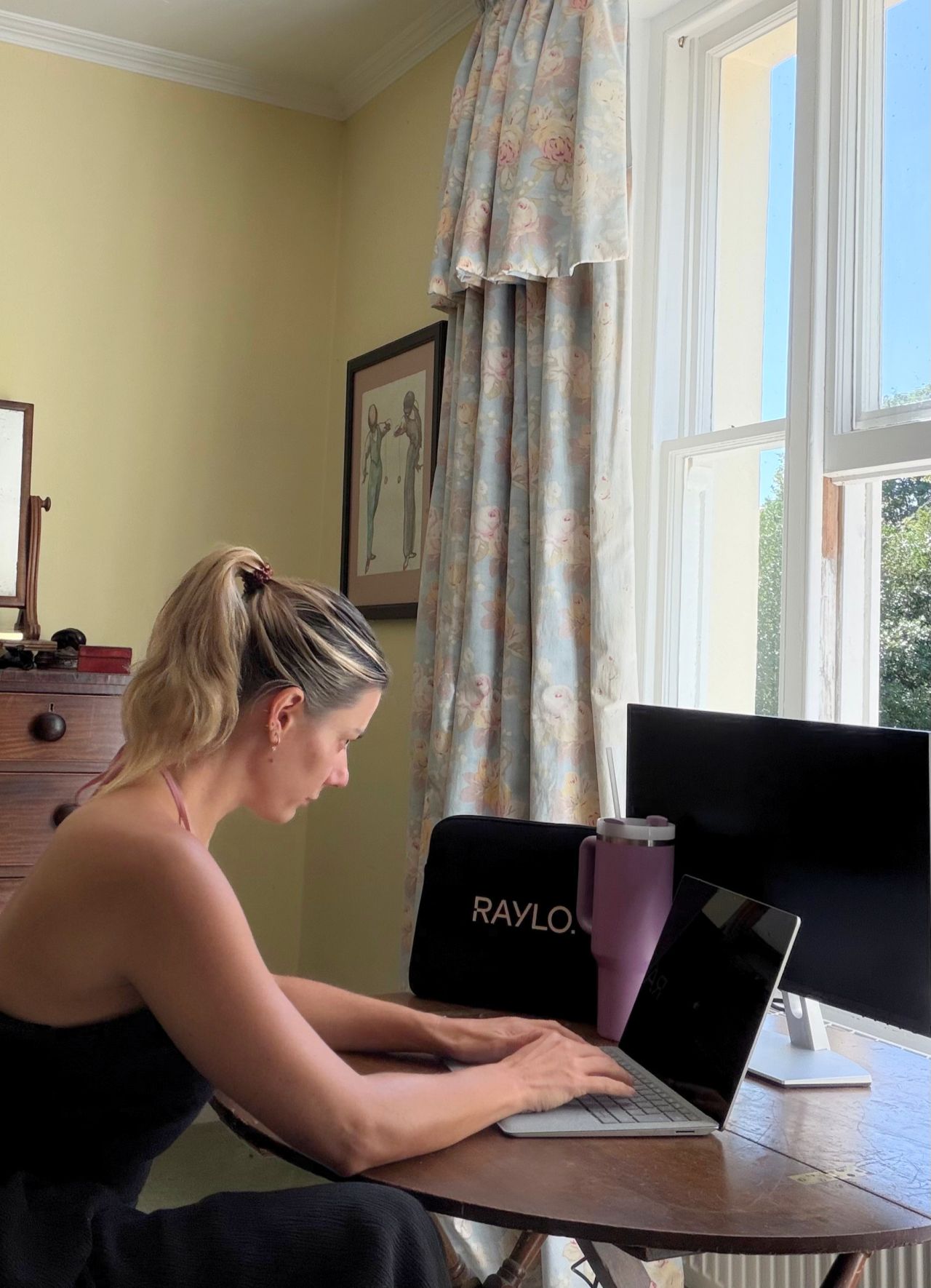
In a recent LinkedIn post, Alicia Teltz discusses the profound shift in technology requirements for entrepreneurs compared to traditional corporate roles, emphasizing the critical need for AI-powered tools and flexible hardware solutions.
Teltz, who transitioned from a corporate position at LinkedIn to entrepreneurship, highlights how her previous role did not adequately prepare her for the multifaceted demands of running a business. She contrasts the straightforward provision of IT equipment in a corporate setting with the extensive technological needs of a founder.
“My £200k corporate job didn’t prepare me for entrepreneurship AT ALL!! 😵💫 Tbh, when I worked at LinkedIn, I never really thought about my laptop.”
As Alicia Teltz points out, the entrepreneurial journey requires more than just basic productivity software. Founders need technology that acts as an extension of their capabilities.
The Founder’s Evolving Tech Stack
Alicia Teltz argues that entrepreneurs today require their technology to perform tasks that would typically be handled by multiple support staff in a larger organization. This includes functioning as a “second brain,” an assistant for building presentations, a summarizer for meetings, and even a coach for improving communication skills like video calls.
This evolution in needs fundamentally changes how founders should view their hardware. Teltz notes a shift from basic considerations like storage and battery life to the core question of a device’s ability to keep pace with intensive, diverse workflows.
“We need a second brain. We need an intern to build us decks. We need an assistant to summarise meetings. We need a sales coach to help us improve our video calls.”
According to Alicia Teltz, artificial intelligence is no longer an optional add-on but a fundamental requirement for the daily operations of a founder. This necessity stems from the rapid advancement of AI capabilities and the increasing integration of AI tools into business processes.
The Imperative of AI Integration
Teltz emphasizes the dynamic nature of technological advancement, particularly in the realm of AI. She observes that the tools she relies on today were largely non-existent or nascent just twelve months prior, suggesting a future where current setups might quickly become obsolete.
“AI isn’t a ‘nice little bonus feature’. It’s a MUST for a founder’s everyday tasks!”
This rapid pace of change necessitates hardware that can adapt. Teltz points to the latest HP EliteBook as an example of a device that is beginning to incorporate these essential AI capabilities directly.
Addressing Cash Flow and Future-Proofing with Flexible Hardware
Beyond the technical capabilities, Alicia Teltz also addresses the financial and logistical challenges of keeping up with technological evolution. She introduces Raylo Business as a solution that tackles these issues through a flexible, subscription-based model.
Teltz explains that this approach eliminates the need for large upfront investments in hardware. Instead, founders pay a monthly fee, which provides the flexibility to upgrade their devices as technology, AI, and their business needs evolve.
“No big upfront purchase. You simply pay a monthly fee and have the flexibility to upgrade your device as AI, technology (and your business!!) evolve.”
In Alicia Teltz’s view, this model not only allows businesses to stay current with the rapid speed of technological development but also significantly improves cash flow management. This strategic approach to hardware procurement is presented as a key enabler for sustainable entrepreneurial growth.
📝 About This Content
This article is based on insights shared by Alicia Teltz on LinkedIn.
📅 Originally posted on August 14, 2026 | View original post on LinkedIn →