
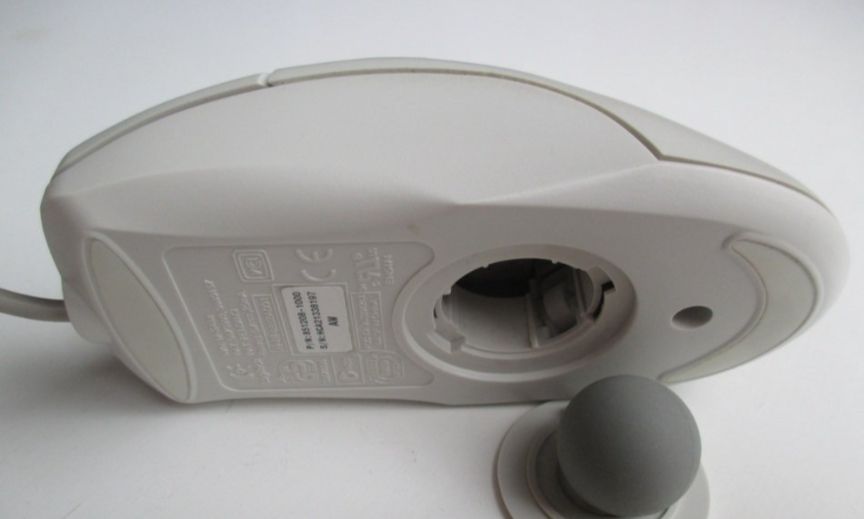
In a recent LinkedIn post that resonated with many, Ben Eubanks discusses the widening generational gap in technological understanding, using the humble computer mouse as a prime example. Eubanks shared a personal anecdote about explaining the mechanics of an old-school mouse to his children, a conversation that underscored how quickly certain technologies become relics of the past.
As Ben Eubanks notes, the experience was met with bewilderment from his kids:
“I can’t explain the look of total confusion that my children had tonight as I explained how the old computer mouse used to have an actual trackball in it that would get dirty and you would have to clean the wheels occasionally so that it would work properly.”
The Obsolete Technology Divide
Eubanks’s post taps into a common theme of technological evolution and the differing experiences it creates across age groups. The ability to operate a manual car transmission, or the patience required for dial-up internet, are experiences that are increasingly foreign to younger generations who have grown up with instant connectivity and automated systems. Eubanks frames these as markers of a bygone era.
According to Ben Eubanks, these are not just isolated incidents but indicators of a broader shift. He adds these experiences to a growing list of what he terms “#ancienthistory,” suggesting a rapid obsolescence cycle for technologies that were once cutting-edge or commonplace.
Navigating a World of Constant Change
The insights shared by Eubanks prompt a reflection on how quickly the technological landscape changes. What seems like recent history to one generation can be completely unknown to the next. This phenomenon impacts everything from workplace training to consumer product design.
Ben Eubanks highlights this by stating:
“Adding it to the list along with stick shift driving and waiting for your dial up modem to connect.”
This observation from Eubanks serves as a powerful reminder of the accelerating pace of innovation. It suggests that skills and knowledge that are essential today may become niche or entirely irrelevant in a surprisingly short period. For professionals and educators, understanding these generational differences in technological fluency is becoming increasingly critical for effective communication and training.
Implications for the Modern Workplace
The generational divide in tech understanding, as pointed out by Ben Eubanks, has tangible implications for businesses. Onboarding new employees, for instance, requires an awareness that not everyone shares the same foundational understanding of digital tools. What might be intuitive for a Gen X employee could be a learning curve for a Gen Z team member, and vice-versa depending on the specific technology.
Eubanks’s post implicitly argues for the importance of patience and clear communication when bridging these knowledge gaps. The confusion his children displayed is a microcosm of potential misunderstandings that can occur in professional settings when different levels of technological exposure are present.
In Eubanks’s view, recognizing these historical technological shifts helps contextualize current advancements. It underscores that today’s sophisticated AI and cloud computing will, in time, also become topics of nostalgic recollection for future generations, perhaps requiring their own ‘trackball cleaning’ explanations.
📝 About This Content
This article is based on insights shared by Ben Eubanks on LinkedIn.
📅 Originally posted on September 10, 2026 | View original post on LinkedIn →