
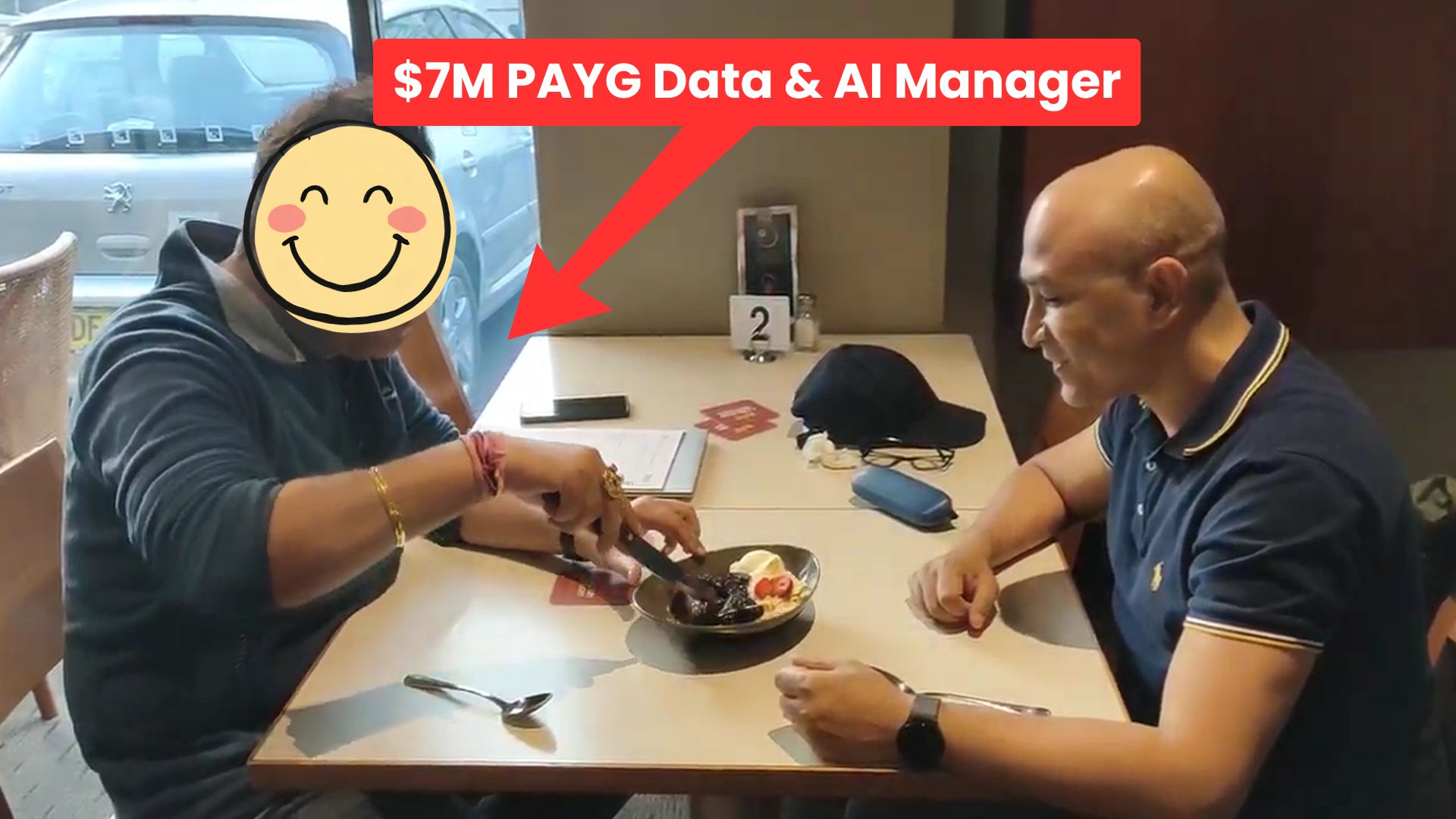
In a recent LinkedIn post, Ehsan Ali shares insights into how senior IT professionals, particularly those of Indian origin, can break through the $300K salary barrier and aim for executive compensation packages potentially reaching $1M. Ali’s analysis, prompted by a friend’s $7M offer ($1M base, $6M performance-linked) for a Head of Data & AI role, highlights three critical strategic shifts he believes are often missed by high-achieving IT leaders.
“He told me why most Indian-origin Senior IT professionals won’t ever cross $300K. They miss 3 critical shifts:”
Identifying the Right Opportunities
A core tenet of Ali’s advice centers on targeting organizations that possess the financial capacity and strategic need to justify top-tier compensation. He emphasizes that not all companies are equipped to value senior talent at the highest levels. According to Ehsan Ali, professionals must seek out organizations with “deep pockets and a massive problem to solve, or an ambition big enough to justify the spend.” Ali cautions against allowing an employer’s current budget limitations to dictate one’s own growth potential.
The Power of Pre-existing Relationships
Ali argues that securing executive-level positions often bypasses traditional job search channels. He points out that these high-stakes roles are rarely advertised on public platforms like SEEK or LinkedIn. Instead, he stresses the importance of cultivating trusted relationships well in advance of any openings. “Roles at this tier are rarely posted on job boards. When they open, the window closes fast. No relationship, no consideration,” Ali states. He suggests that the common experience of applying to roles with hundreds of applicants is not the path to these elite positions.
“SEEK and LinkedIn don’t carry these roles. The ones with 428 applicants and a courtesy rejection at 11:47pm aren’t the game.”
Articulating Undeniable Impact
Beyond access, Ali underscores the necessity of robustly demonstrating one’s value proposition. While relationships open doors, credibility is what ultimately secures the position. He explains that at the executive level, decision-makers require strong evidence of a candidate’s ability to deliver results. “You need a sharp career story backed by undeniable impact,” Ali asserts. He clarifies that his friend’s success was not solely due to innate intelligence but rather a strategic positioning that aligned the right skills with the right opportunities and a clear demonstration of past achievements.
Strategic Positioning Over Chance
In his concluding remarks, Ehsan Ali reiterates that reaching such compensation levels is a result of deliberate strategy, not happenstance. “My friend didn’t land this role because he’s the single smartest Data leader in Australia. He got there because he was positioned right. Right company. Right relationships. Right proof,” he writes. Ali advises against relying on passive job searching methods like using SEEK or simply chasing recruiters for these senior roles.
“It doesn’t happen by chance, or living off SEEK, or chasing recruiters.”
Ali concludes his post by offering to share details about building core career assets that provide senior IT leaders with a competitive edge, inviting interested individuals to DM him ‘ASSETS’ if it aligns with their goals.
📝 About This Content
This article is based on insights shared by Ehsan Ali on LinkedIn.
📅 Originally posted on September 11, 2026 | View original post on LinkedIn →