
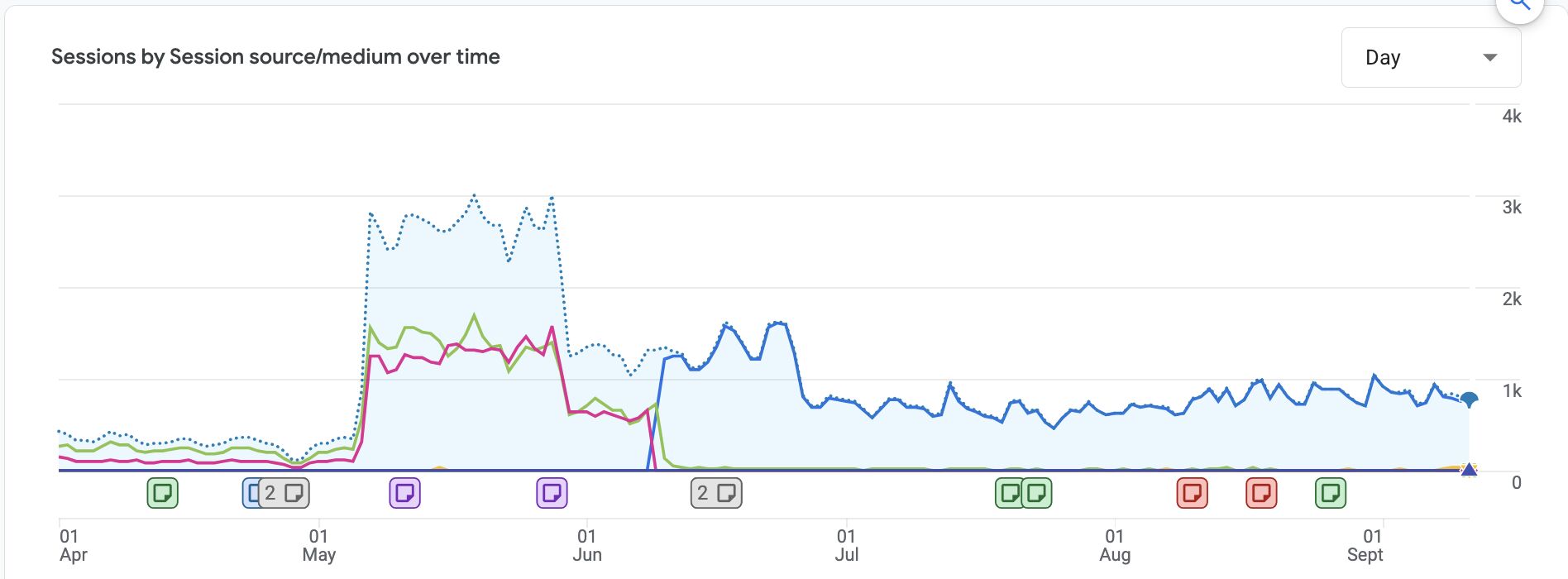
In a recent LinkedIn post, Ann Smarty offers a candid look at the complexities and sometimes bewildering nature of tracking referral traffic from ChatGPT, highlighting the challenges it presents for SEO strategists.
Ann Smarty begins by expressing the often-amusing, yet insightful, experience of monitoring this data. “Looking at ChatGPT referral traffic data is as much fun as being an SEO strategist these days 😅,” she writes, immediately setting a relatable tone for fellow professionals.
Understanding Fluctuations in ChatGPT Traffic
Smarty points out that the observed traffic patterns can shift dramatically due to updates in AI models, often without any direct changes in a business’s own marketing efforts. She notes the significant impact these external changes can have, stating, “You can see how different models immediately change the traffic patterns without businesses necessarily doing anything to impact that.” This underscores the dynamic and often unpredictable environment that digital marketers must navigate.
Google Analytics and Data Interpretation Challenges
A significant portion of Ann Smarty’s analysis focuses on the evolving reporting within Google Analytics. She details how the platform has historically categorized ChatGPT traffic in various ways, leading to potential misinterpretations.
“Google Analytics is especially fun because it used to capture chatgpt / referral, chatgpt / (not set), chatgpt / organic, chatgpt / (none), and now it is mostly chatgpt / ai-assistant…” Smarty observes. She raises a critical question about past data accuracy: “Had we been reporting larger numbers to clients than there actually were before the AI Assistant channel was introduced?” This inquiry highlights the potential for inflated historical data due to earlier, less precise tracking methods.
The Ahrefs Perspective and Recent Trends
Ann Smarty also touches upon data from Ahrefs, noting that its figures also show considerable variance, with higher numbers reported in May compared to July. This further complicates a clear understanding of consistent traffic trends.
Looking at August, Smarty identifies another increase in clicks. She hypothesizes that this rise might be linked to ChatGPT’s shift in citing sources, moving from user-generated content to more official websites. “As for August, I am also seeing an increase in clicks (I assume because ChatGPT stopped citing UGC and started citing official websites more),” she shares.
A Call for Shared Insights
Concluding her post, Ann Smarty reiterates the engaging, albeit challenging, nature of this topic. She invites her network to share their own experiences and observations, emphasizing the value of collective knowledge in understanding these evolving digital landscapes. “Anyway, it’s so much fun… What are you seeing?” she asks, fostering a collaborative discussion among industry peers.
Ann Smarty’s insights provide a valuable perspective for SEO professionals and marketers grappling with the nuances of AI-driven referral traffic, encouraging a critical and adaptive approach to data analysis.
📝 About This Content
This article is based on insights shared by Ann Smarty on LinkedIn.
📅 Originally posted on September 12, 2026 | View original post on LinkedIn →