
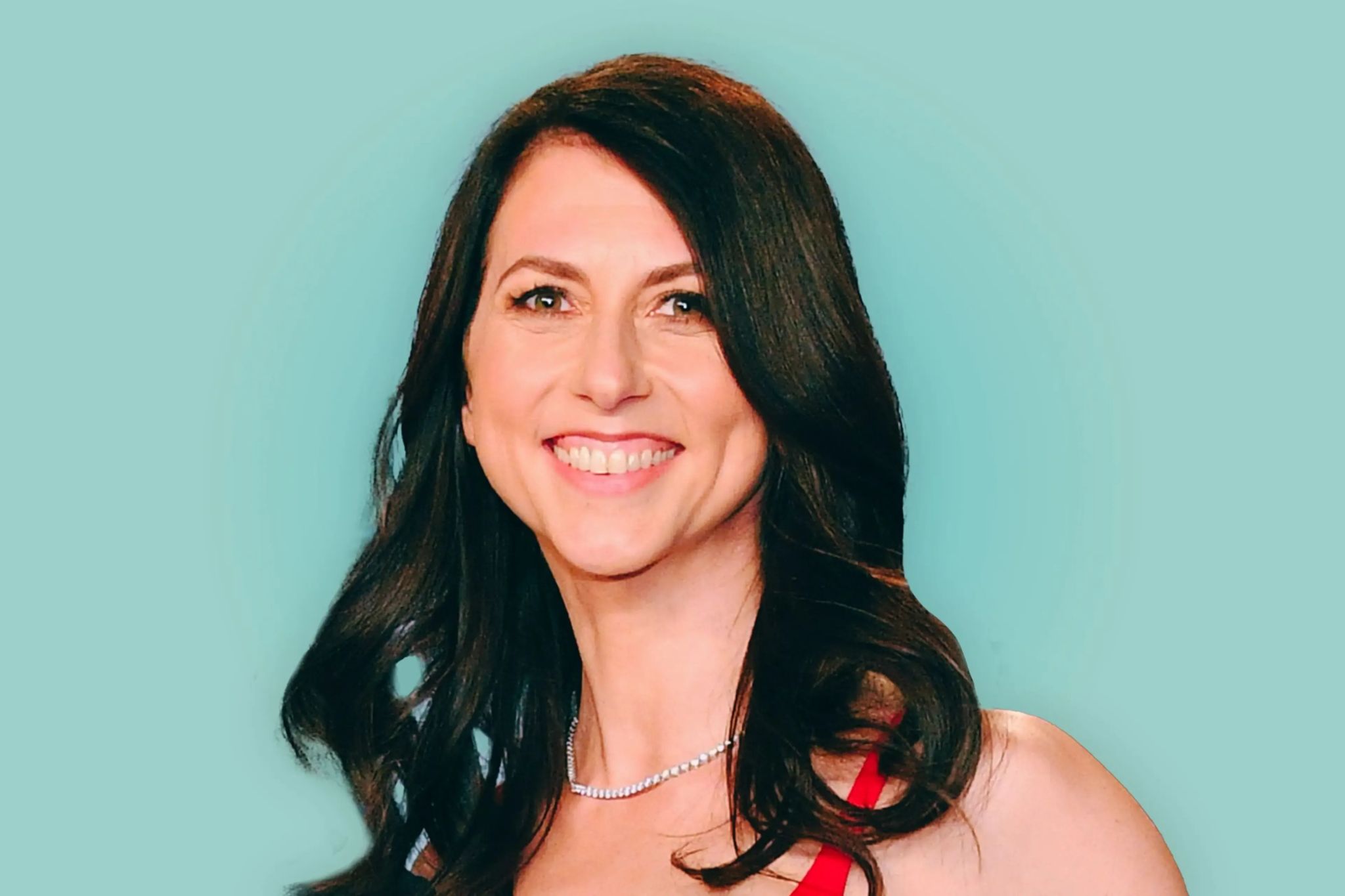
In a recent LinkedIn post, Emily Lyons discusses the philanthropic approach of MacKenzie Scott, highlighting her significant donations and the deliberate choice to remain largely anonymous and uncredited for her contributions. Lyons uses Scott’s actions as a lens through which to examine broader patterns in partnerships and the often-unseen contributions of individuals within them.
Lyons begins by framing the scale of Scott’s giving, noting the substantial amount she has distributed. “The woman Jeff Bezos cheated on has given away $26 billion,” Lyons states, immediately setting a stark and impactful tone. This is followed by a pointed observation: “There is not one building anywhere with her name on it.” This contrast, as presented by Lyons, underscores Scott’s unique method of philanthropy, which eschews the traditional avenues of public recognition and personal branding often associated with large-scale charitable endeavors.
The Unconventional Philanthropic Model
Emily Lyons details how MacKenzie Scott, after receiving a significant settlement from her divorce from Jeff Bezos, began distributing her wealth without the fanfare typically expected. “No applications. No galas. No press tour. Her team finds organizations doing serious work on almost nothing,” Lyons writes, emphasizing the direct and unbureaucratic nature of these donations. The post explains that these organizations often receive an unexpected email, followed by a wire transfer with no attached conditions, reporting requirements, or follow-up expectations.
“The organization gets an unexpected email, and then a wire lands with nothing attached to it. No conditions. No reporting requirements. No follow up.”
As Emily Lyons points out, the impact of such unconditional giving has been profound. She recounts how executive directors have been stunned into emergency staff meetings and how colleges have received gifts larger than their entire history. Food banks, previously forced to turn families away, have been able to expand their services. Lyons highlights that this approach represents a significant portion of Scott’s wealth being distributed to those who need it most, without requiring them to account for every cent.
Partnership Dynamics and Unseen Contributions
Beyond the specifics of Scott’s philanthropy, Emily Lyons draws a parallel to broader relationship dynamics. Lyons reflects on her own experience observing partnerships over 12 years, stating, “I’ve spent 12 years watching people build lives together, and the pattern I see most has nothing to do with money. One person becomes the story. The other becomes the infrastructure.” This observation, according to Lyons, suggests that while Scott was instrumental in the early days of Amazon, her contributions were largely sidelined in the public narrative.
“She was one of Amazon’s first employees. She did the accounting. She helped write the business plan. She was in the garage. When the world got the story of Amazon, her name wasn’t in it.”
Lyons connects this historical context to Scott’s current philanthropic choices. “She gave away $26 billion and refused to attach her name to any of it. She’d already spent 25 years finding out what it feels like when someone else makes that decision for you,” Lyons concludes. This perspective frames Scott’s decision not merely as a charitable act but as a deeply personal response to her experiences, emphasizing a desire to empower others without seeking personal validation or recognition, a stark contrast to the narrative often surrounding immense wealth.
📝 About This Content
This article is based on insights shared by Emily Lyons on LinkedIn.
📅 Originally posted on September 12, 2026 | View original post on LinkedIn →