
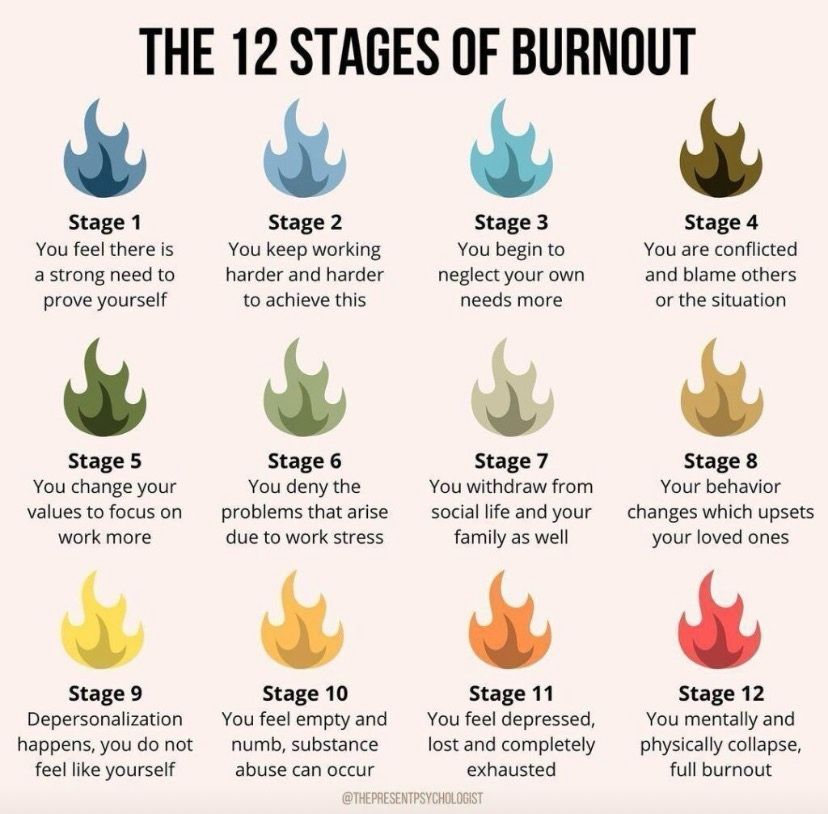
In a recent LinkedIn post, Archita Fritz explores the subtle yet pervasive nature of burnout, particularly among high-achieving leaders. Fritz argues that burnout often masquerades as dedication, with external validation reinforcing the harmful cycle of overwork.
Fritz begins by highlighting the common, congratulatory remarks leaders receive when they appear to be managing immense workloads. Phrases like “How do you do it all?” and “You make it look so easy” can, according to Fritz, inadvertently mask the early signs of distress.
“As long as nothing has fallen apart, you assume you are fine.”
This assumption, Fritz explains, is a dangerous fallacy. Many leaders, from C-suite executives to board members, are pushing through significant stress, postponing self-care and addressing burnout as a future problem. This deferral is driven by the constant presence of new milestones, such as board meetings, budget cycles, or significant transactions.
The Insidious Progression of Burnout
Archita Fritz emphasizes that burnout’s effects manifest long before any visible breakdown in performance. Fritz observes that a leader’s behavior and decision-making can be significantly altered by the early stages of burnout.
“You start snapping at small things. Decisions that normally take ten minutes sit open for days. You cancel dinner, skip the workout and promise yourself you will catch up over the weekend,” Fritz writes, detailing the subtle shifts in personal and professional conduct.
At the organizational level, Fritz points out that team members may begin to hesitate in bringing forward issues, waiting for a perceived “right time” to approach a leader who seems overwhelmed or less receptive.
Personal Experience and a Practical Framework
Fritz draws on personal experience, recalling the intense period of their solopreneur journey. “When I started my solopreneur journey, I worked harder, put my own needs last and kept going because the business was growing,” Fritz shares. The focus on continued business growth, even while personal needs were neglected, reinforced the belief that everything was acceptable.
“The work was still getting done, so I told myself I was fine.”
To combat this, Fritz introduces a practical self-assessment tool, inspired by the research of Christina Maslach and Michael Leiter, and popularized by Chris Bailey. This framework involves rating six key areas of work on a scale of 1 to 10:
- Workload: Can you keep working at this pace?
- Control: How much say do you have over your work?
- Reward: Do you feel recognized and properly rewarded?
- Community: Do you have people at work who support you?
- Fairness: Are decisions made and people treated fairly?
- Values: Does the work still matter to you?
Actionable Steps for Leaders
Fritz advises against striving for perfect scores, instead urging individuals to focus on their two lowest-scoring areas. The critical question, according to Fritz, is which of these areas has been deteriorating and what immediate changes can be implemented.
“Use your lowest score to decide what needs to change this week, whether that means cancelling work, handing over a decision or asking for help.”
For those in leadership positions, Fritz suggests completing the self-assessment before sharing it with their teams, fostering an environment of transparency and shared responsibility. For board members, Fritz recommends using the framework to initiate candid discussions with CEOs about potential areas for delegation or reduction of duties.
Ultimately, Archita Fritz’s post serves as a crucial reminder for leaders to proactively monitor their well-being, recognizing that sustainable success is built on a foundation of personal health, not just relentless output.
📝 About This Content
This article is based on insights shared by Archita Fritz on LinkedIn.
📅 Originally posted on September 13, 2026 | View original post on LinkedIn →