
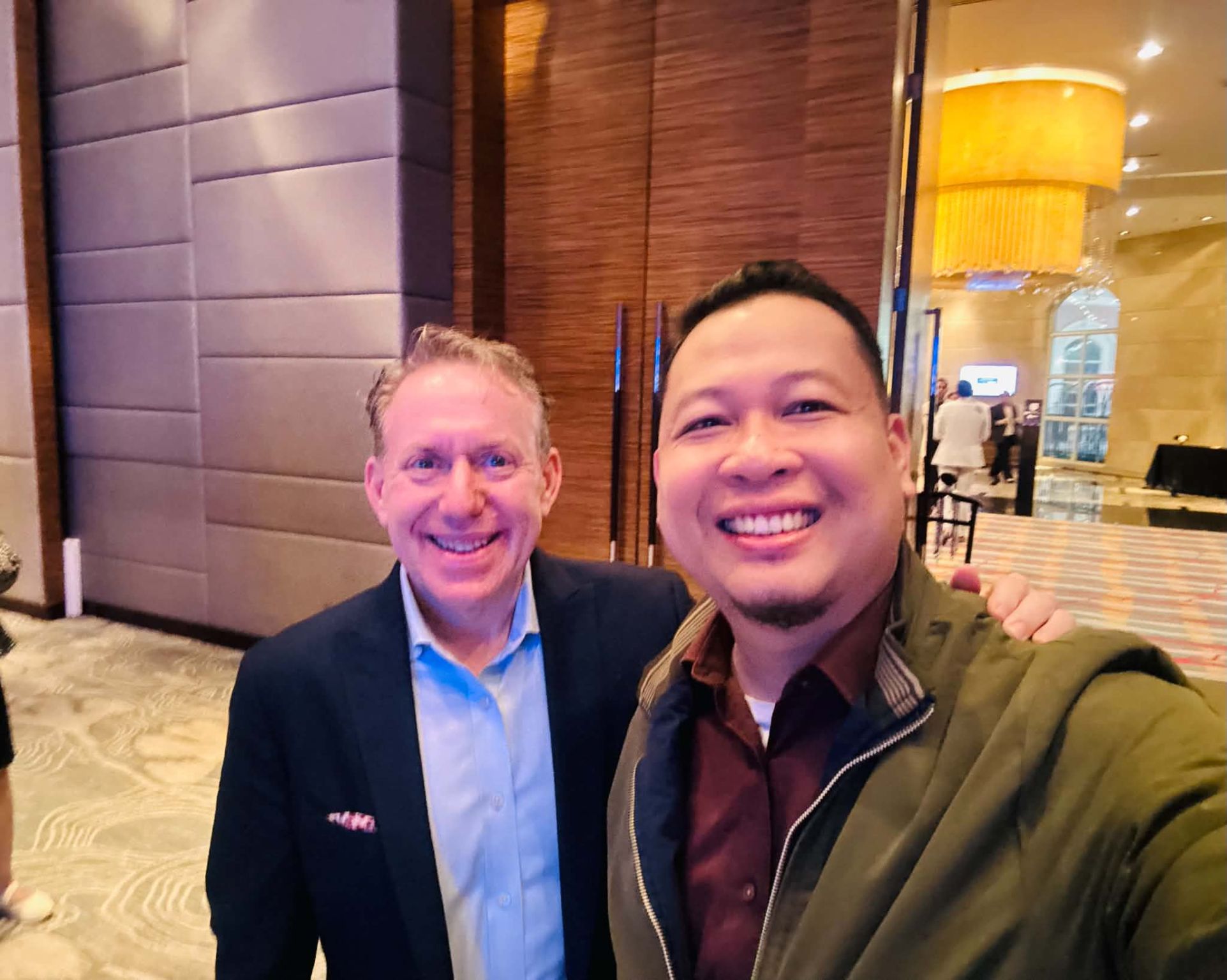
In a recent LinkedIn post, Jakeson Quiatchon, MBA, MHRM, CPHR, CHRME, PMEC, SO2, shared insights from the People Matters conference in Marriott Manila, focusing on a presentation by Jason Averbook. Quiatchon highlighted Averbook’s framework of the “5 Wounds of Change” that organizations often experience during transformation.
According to Jakeson Quiatchon, MBA, MHRM, CPHR, CHRME, PMEC, SO2, these critical wounds are:
The 5 Wounds of Change in the organization.
1. Replacement
2. Mastery
3. Fatigue
4. Trust
5. Identity
Quiatchon used this framework to pose a broader question about the impact of Artificial Intelligence (AI) on organizational change and transformation. As Jakeson Quiatchon, MBA, MHRM, CPHR, CHRME, PMEC, SO2 prompts his network: “In the face of AI, how do you see it shaping organizational change and transformation?” This question underscores the evolving landscape of business and the need for leaders to consider how new technologies influence established processes and human dynamics within companies.
Navigating the ‘Wounds of Change’ in an AI-Driven Era
The framework presented by Jason Averbook, and shared by Quiatchon, offers a lens through which to examine the common pitfalls and challenges encountered during periods of significant organizational shifts. Each of the five wounds represents a distinct area where change initiatives can falter if not managed effectively.
Understanding the Five Wounds
- Replacement: This wound likely refers to the fear or reality of jobs being replaced by new technologies or processes, leading to anxiety among employees.
- Mastery: This points to the challenge of acquiring new skills and achieving proficiency in new systems or roles, often a source of frustration and demotivation.
- Fatigue: Constant or poorly managed change can lead to burnout and a general exhaustion with the process, making employees resistant to further evolution.
- Trust: A lack of transparency, clear communication, or perceived fairness in change processes can erode trust between leadership and employees.
- Identity: When roles, team structures, or even the company’s core mission are altered, it can impact employees’ sense of belonging and their professional identity.
Jakeson Quiatchon, MBA, MHRM, CPHR, CHRME, PMEC, SO2’s decision to share this framework and pose a question about AI’s role highlights the interconnectedness of technological advancement and human-centric change management. The rapid development of AI technologies introduces a new layer of complexity to these existing challenges.
The Role of Leadership in Future-Ready Organizations
Following the identification of these change wounds, Quiatchon’s post pivots to a forward-looking perspective, directly asking: “What should leaders, teams, and organizations be doing today to remain relevant, adaptable, and future-ready?” This question is central to strategic planning in the current business climate.
As Jakeson Quiatchon, MBA, MHRM, CPHR, CHRME, PMEC, SO2 suggests, remaining adaptable requires proactive measures. Leaders are tasked not only with implementing new technologies like AI but also with managing the human impact of these changes. This involves fostering environments where employees feel supported through transitions, are given opportunities to develop new skills, and can maintain a sense of trust and identity within the evolving organizational structure.
The discussion initiated by Jakeson Quiatchon, MBA, MHRM, CPHR, CHRME, PMEC, SO2 serves as a valuable prompt for business leaders, HR professionals, and employees alike to reflect on the dynamics of organizational change. By acknowledging the potential ‘wounds’ and considering the disruptive influence of AI, organizations can better prepare themselves to navigate the complexities of transformation and ensure their continued relevance and success.
📝 About This Content
This article is based on insights shared by Jakeson Quiatchon, MBA, MHRM, CPHR, CHRME, PMEC, SO2 on LinkedIn.
📅 Originally posted on September 14, 2026 | View original post on LinkedIn →