
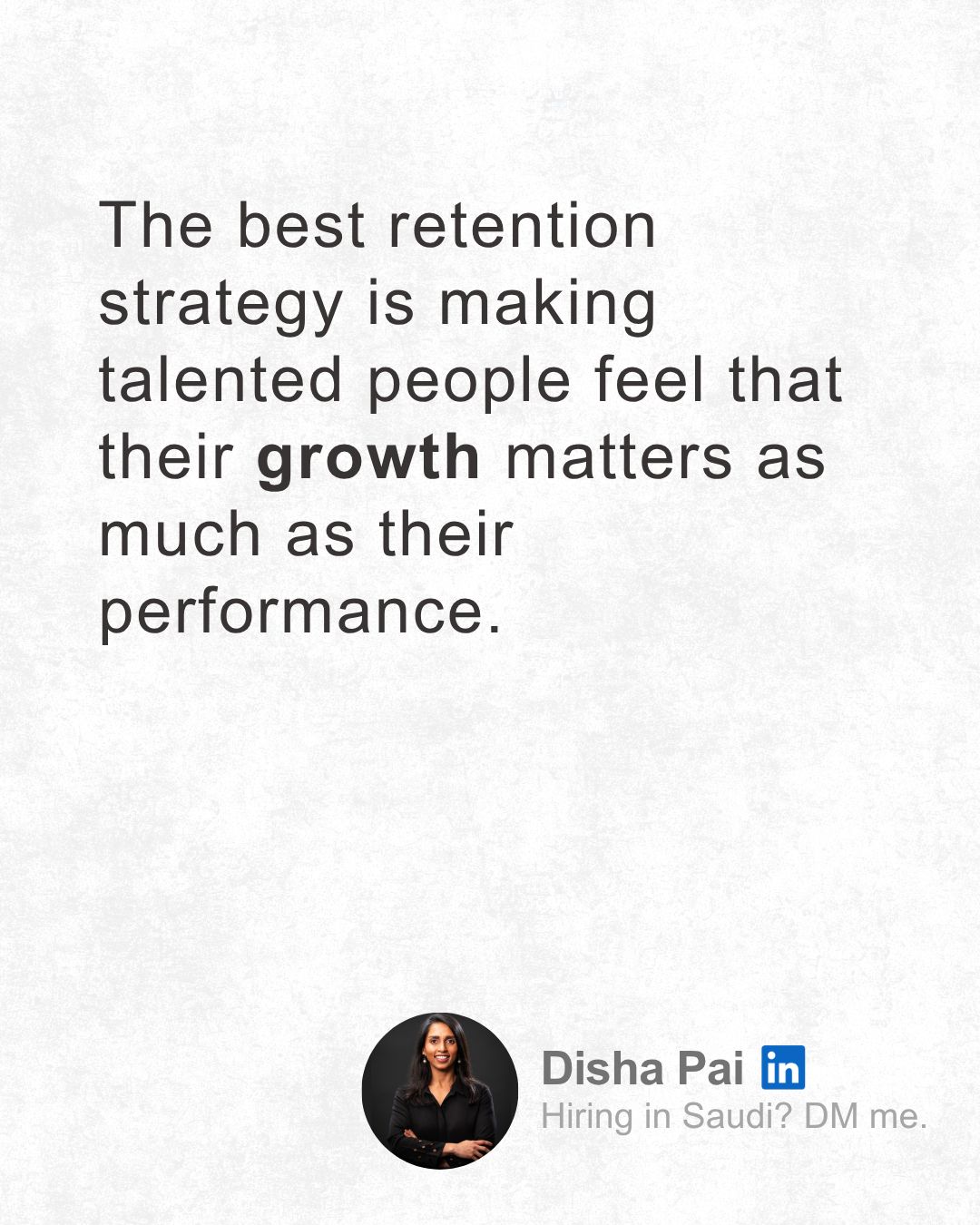
In a recent LinkedIn post, Disha Pai discusses a critical, often overlooked factor in executive retention: the feeling of being invisible. Pai, who has tracked executive departures within 18-month periods, highlights a consistent pattern suggesting that these departures are not typically due to performance issues but rather a lack of perceived engagement and support from the organization.
Pai’s analysis points to a significant gap in how companies manage their high-level talent. The post emphasizes that in a competitive job market, executives have leverage and options. When they feel overlooked, despite their successes, the likelihood of them seeking opportunities elsewhere increases dramatically. According to Pai:
“They weren’t fired. They didn’t struggle. They felt invisible.”
This sentiment underscores a broader challenge in executive management, where traditional performance metrics might not capture the qualitative aspects of an executive’s experience within a company. Pai argues that this feeling of invisibility can be a primary driver for seasoned professionals to seek new roles, even when their performance is strong.
Proactive Retention Strategies for Executive Talent
Recognizing the high stakes of executive turnover, Disha Pai advocates for integrating retention strategies directly into the hiring and onboarding process. Pai proposes a structured approach involving scheduled check-ins at key milestones to ensure executives feel supported and their career progression is actively considered. This proactive method aims to identify and address potential support gaps before they lead to dissatisfaction.
Pai outlines a specific framework for these check-ins:
- Month 1: Integration Assessment – Understanding the executive’s initial experience and identifying any early support deficiencies.
- Month 3: Reality Check – Discussing what has met or exceeded expectations versus challenges encountered, providing a balanced perspective.
- Month 6: Career Clarity – Focusing on long-term growth paths and ensuring alignment with the executive’s career aspirations within the organization.
As Pai explains, this structured engagement is crucial. The post states:
“Executives who feel genuinely tracked and supported stay longer.”
This contrasts sharply with the experience of those left to navigate their roles independently.
The Cost of Neglecting Executive Engagement
The core of Pai’s argument is that consistent, genuine engagement is paramount for retaining top executive talent. The traditional view of retention often focuses on compensation and benefits, but Pai’s insights suggest that the psychological aspect of feeling valued and visible plays an equally, if not more, important role. According to Pai:
“The ones left to figure it out alone start looking elsewhere within 18 months.”
This observation serves as a stark warning to organizations that may be inadvertently fostering an environment where valuable executives feel disconnected. By implementing structured check-ins and demonstrating a clear commitment to an executive’s integration and long-term development, companies can mitigate the risk of losing key leaders to competitors. Pai’s post highlights a nuanced understanding of executive motivation, emphasizing that feeling seen and supported is a powerful retention tool in today’s dynamic business landscape.
📝 About This Content
This article is based on insights shared by Disha Pai on LinkedIn.
📅 Originally posted on September 15, 2026 | View original post on LinkedIn →