
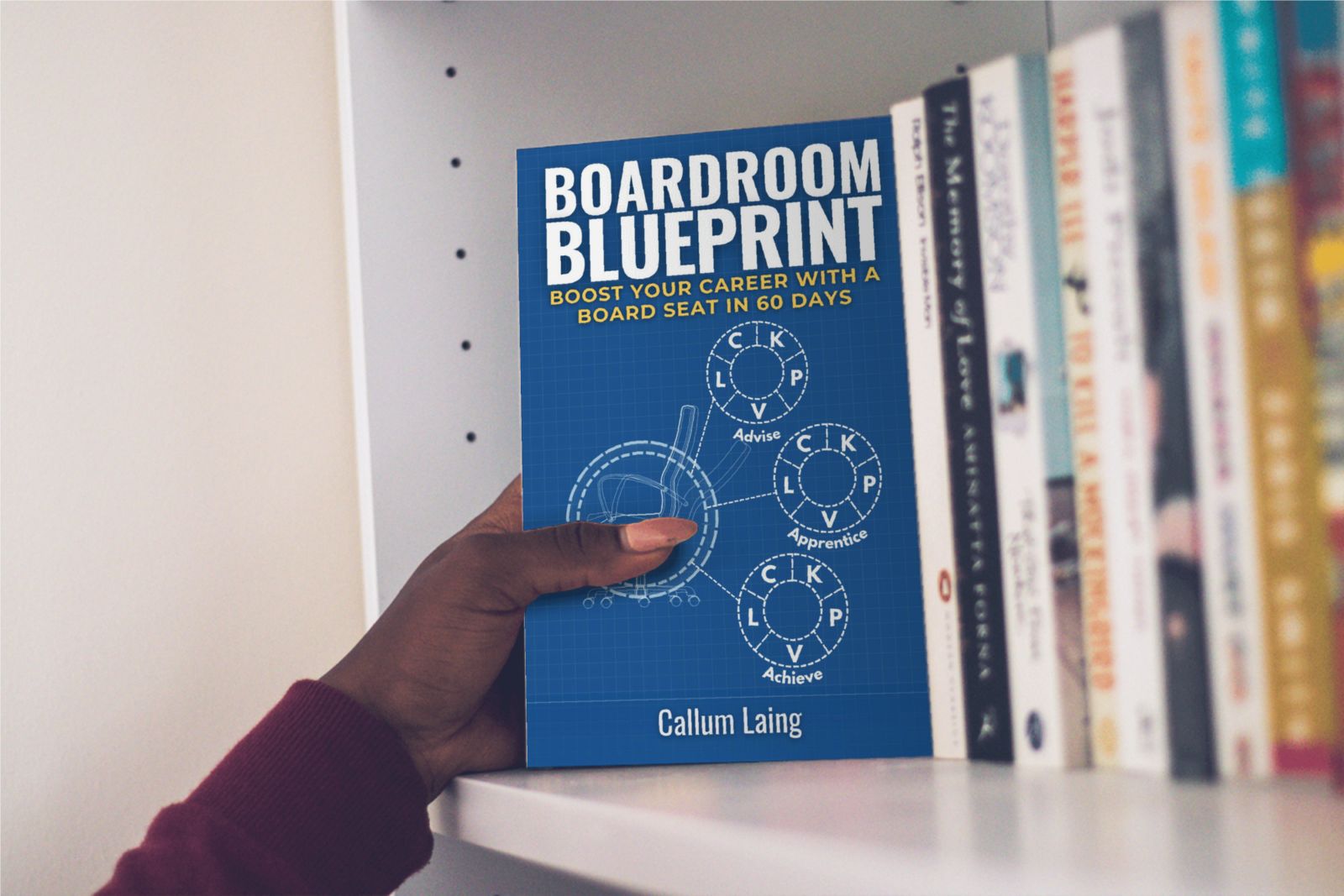
Securing a position on a company’s board is often seen as the pinnacle of professional achievement. Many aspiring board members focus intensely on accumulating the right qualifications, experience, and certifications, believing these are the primary keys to unlocking such opportunities. However, a crucial element often overlooked is visibility. As Callum Laing points out, the real barrier for many qualified individuals isn’t a lack of competence, but a lack of presence.
The traditional approach of relying solely on a resume or CV to showcase expertise is insufficient in the context of board recruitment. Boards operate on a foundation of trust. They are looking for individuals they can rely on, whose judgment they respect, and whose commitment they can be assured of. This level of trust is difficult, if not impossible, to establish through paper qualifications alone.
The Trust Deficit: Why Resumes Aren’t Enough
Consider the dynamics of board appointments. When a board seeks a new member, they are essentially inviting someone into a position of significant responsibility and influence. This decision is not merely about technical skills; it’s about a person’s character, integrity, and ability to contribute to strategic decision-making in a collaborative environment. How can a board truly trust someone they have never encountered, whose professional network and reputation are unknown to them?
Laing emphasizes that visibility is not about seeking attention for its own sake or indulging in vanity. Instead, it is a strategic imperative. Being visible means actively engaging in relevant professional circles, sharing insights, contributing to industry discussions, and building a recognisable presence. This allows potential board members to demonstrate their expertise, thought leadership, and collaborative spirit in a tangible way.
Building Visibility for Boardroom Success
So, how can professionals cultivate the visibility needed to gain board seats? It requires a proactive and strategic approach:
- Thought Leadership: Regularly share your expertise and perspectives on industry trends, challenges, and opportunities through articles, presentations, or social media platforms like LinkedIn.
- Networking: Actively participate in industry events, conferences, and professional organizations. Build genuine relationships with key individuals, including existing board members and executives.
- Public Speaking and Panel Discussions: Offer to speak at events or join panels to share your knowledge and gain exposure to a wider audience.
- Mentorship and Advisory Roles: Engage in mentorship programs or take on advisory roles for startups or non-profits. This not only builds your network but also demonstrates your willingness to contribute and guide.
- Community Involvement: Participate in industry-specific committees or working groups. Contributing to the broader professional community can significantly enhance your visibility and reputation.
Visibility allows you to move from being just a qualified candidate on paper to a trusted individual whose contributions are recognized and valued. It bridges the gap between knowing about someone and knowing someone.
Reflecting on Your Visibility Strategy
As you consider your career progression, it’s essential to ask yourself: where do you need to be more visible this year? Are you actively cultivating relationships and sharing your insights in the spaces that matter most for your aspirations? By shifting the focus from mere qualification to strategic visibility, professionals can significantly enhance their chances of securing those coveted board positions.
This article is inspired by insights shared by Callum Laing on LinkedIn.
📝 About This Content
This article is based on insights shared by Callum Laing on LinkedIn.
📅 Originally posted on October 13, 2025 | View original post on LinkedIn →