
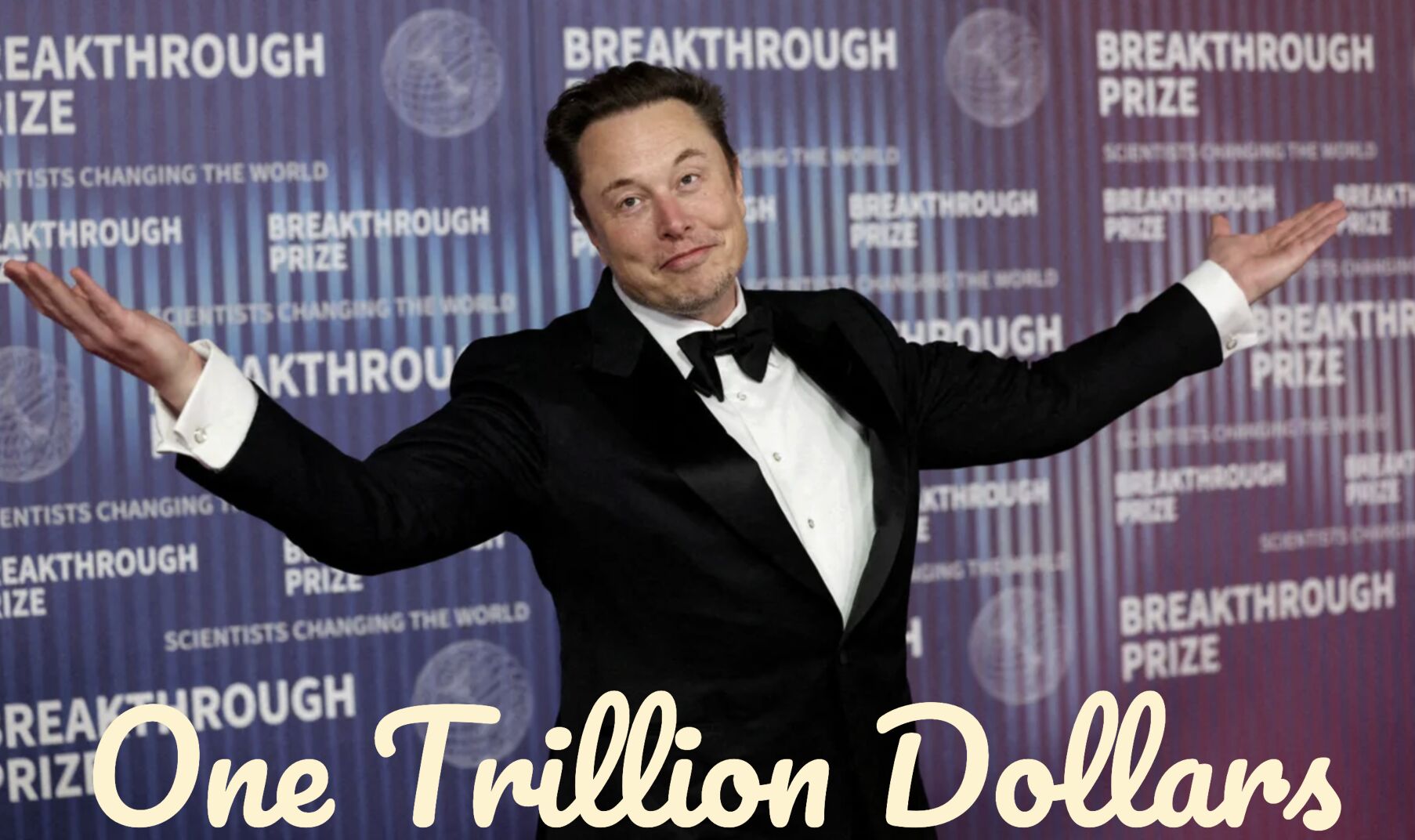
In a recent LinkedIn post, Callum Laing discusses the public outcry surrounding Elon Musk’s proposed trillion-dollar pay package, arguing that the criticism often stems from a misunderstanding of how businesses operate and the importance of aligning executive compensation with results.
Laing addresses the controversy directly, noting the outrage that erupted when Tesla shareholders voted to grant Musk stock options contingent on specific performance targets. He highlights the common, yet in his view, financially illiterate, reaction that frames the situation as excessive executive pay rather than a performance-based incentive.
“But ‘CEO agrees to work for nothing unless he delivers’ doesn’t quite generate the same outrage, does it?”
Laing posits that the core of the issue lies in a disconnect from the realities of business success. He questions the logic behind criticizing high compensation when it is directly tied to achieving ambitious goals, suggesting that such arrangements should be celebrated, not condemned.
The Case for Performance-Based Pay
Callum Laing champions the idea of tying executive compensation strictly to outcomes, drawing a parallel to the daily realities faced by small business owners. He asserts that if individuals are truly concerned about wealth accumulation, they should advocate for models where leaders share in the risk and reward.
“If you genuinely believe successful people are overpaid, wouldn’t you want their compensation tied entirely to results? Isn’t that the whole point?” Laing asks in his post. He further elaborates on this sentiment from an investor’s perspective:
“As an investor, I’d love to see more CEOs step up and say ‘I’ll share the risk.'”
Laing contrasts the typical corporate executive with other professions, sarcastically questioning if bankers, politicians, or HR managers would ever propose such a performance-dependent compensation structure. He emphasizes that for many entrepreneurs and small business owners, this is not a hypothetical scenario but a daily operational reality.
The Small Business Owner’s Reality
According to Laing, small business owners inherently operate under a performance-based pay system. Their income is directly dependent on the company’s success in any given period. He states:
“Small business owners live this reality every single day. Good month, we get paid. Bad month, we’re lending the company money to keep the lights on.”
This lived experience, Laing suggests, provides a crucial perspective often missing in the broader public discourse about executive compensation. It underscores the principle that accountability and risk-sharing are fundamental to business operations.
Accountability and Control
Laing also touches upon the aspect of control and accountability, challenging critics to consider their own willingness to be held to such stringent standards. He frames the debate not just as a financial one, but as a question of personal and professional accountability.
“For those criticising someone for wanting to retain control over what they’ve built, ask yourself this: Would you hold yourself to that level of accountability?” Laing prompts his audience. He implies that the criticism often overlooks the immense risk and effort involved in building and leading a company, particularly one that pioneers new markets like Tesla has in the electric vehicle sector.
The post concludes with an anticipation of further discussion, implicitly inviting a more nuanced conversation about executive compensation, risk, and the fundamental principles of business success.
📝 About This Content
This article is based on insights shared by Callum Laing on LinkedIn.
📅 Originally posted on November 7, 2025 | View original post on LinkedIn →