
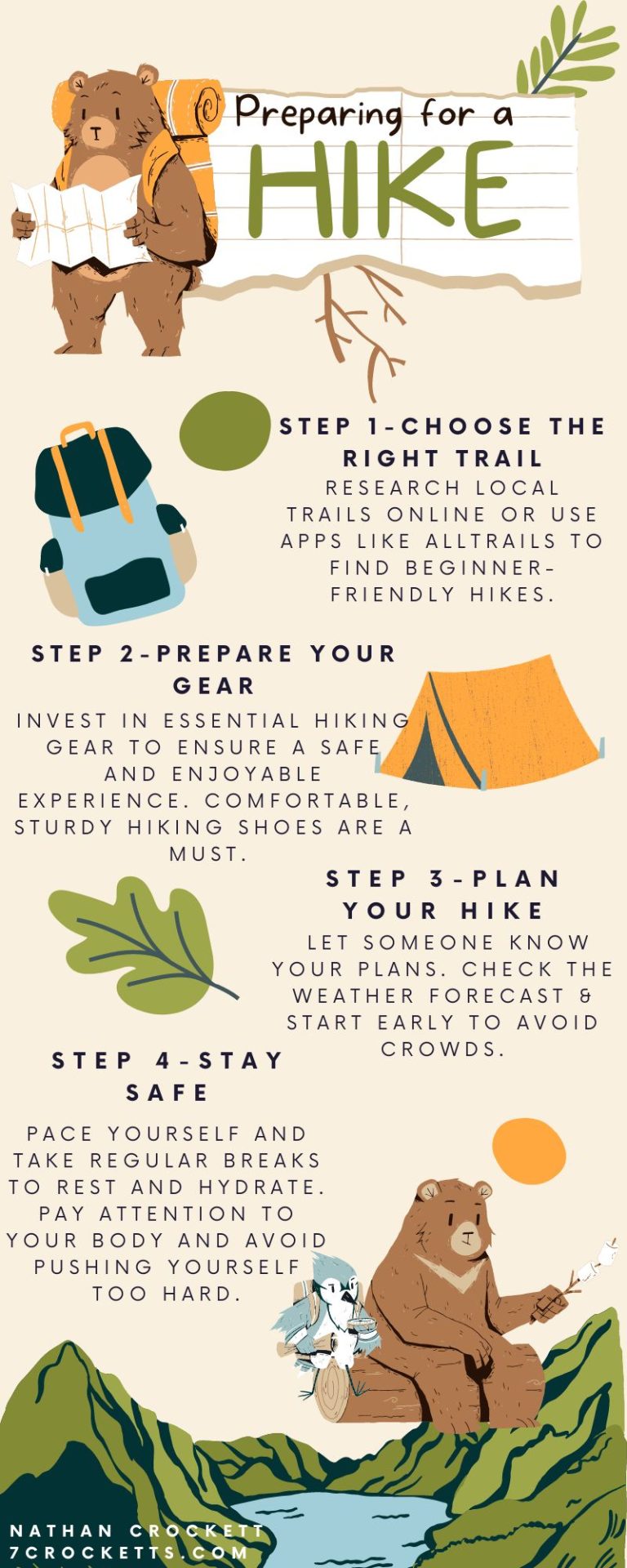
In a recent LinkedIn post, Nathan Crockett, PhD shares practical advice for individuals new to hiking, emphasizing the physical and mental benefits of spending time in nature. Crockett highlights how hiking can serve as a powerful tool for connecting with the natural world, improving fitness, and achieving mental rejuvenation.
For those looking to embark on their first hiking adventures, Nathan Crockett, PhD outlines a straightforward four-step process designed to ensure a safe and enjoyable experience. He begins by stressing the importance of selecting the right trail, particularly for beginners.
“Start with easy, well-marked trails that match your fitness level. Research local trails online or use apps like AllTrails to find beginner-friendly hikes.”
As Nathan Crockett, PhD points out, careful consideration of factors such as distance, elevation gain, and terrain is crucial. He advises a gradual progression in difficulty as one’s comfort and fitness levels increase.
Preparing the Right Gear and Planning the Excursion
The second key step outlined by Nathan Crockett, PhD involves preparing the necessary gear. He emphasizes that investing in essential hiking equipment is fundamental for both safety and enjoyment. Key items include comfortable, sturdy hiking shoes, moisture-wicking clothing suitable for layering, and protective accessories like a hat, sunglasses, and sunscreen.
Furthermore, Crockett stresses the importance of a well-equipped backpack. “Carry a backpack with water, snacks, a map, a first-aid kit, and a fully charged phone,” he advises, ensuring hikers are prepared for various situations.
Planning the hike itself is the third critical step. Nathan Crockett, PhD recommends informing someone about your hiking plans and expected return time. Checking the weather forecast and starting early are also suggested to avoid potential hazards like extreme heat and large crowds.
“Familiarize yourself with the trail map and plan your route. It’s crucial to stick to designated paths to protect the environment and ensure your safety.”
This emphasis on planning and adherence to designated paths underscores Crockett’s commitment to both personal safety and environmental stewardship.
Pacing and Safety on the Trail
The final step in Nathan Crockett, PhD’s guide focuses on pacing and safety during the hike. He encourages hikers to pace themselves, take regular breaks for rest and hydration, and listen to their bodies to avoid overexertion.
Awareness of one’s surroundings, including potential wildlife, is also a key component of staying safe. Nathan Crockett, PhD advocates for respecting nature by strictly following the “Leave No Trace” principles.
“Respect nature by following the ‘Leave No Trace’ principles: pack out all trash, and leave plants and wildlife undisturbed.”
By meticulously following these four steps—choosing the right trail, preparing gear, planning the hike, and starting slow while staying safe—new hikers can look forward to a rewarding and safe experience in the great outdoors, according to Nathan Crockett, PhD.
📝 About This Content
This article is based on insights shared by Nathan Crockett, PhD on LinkedIn.
📅 Originally posted on November 23, 2025 | View original post on LinkedIn →