
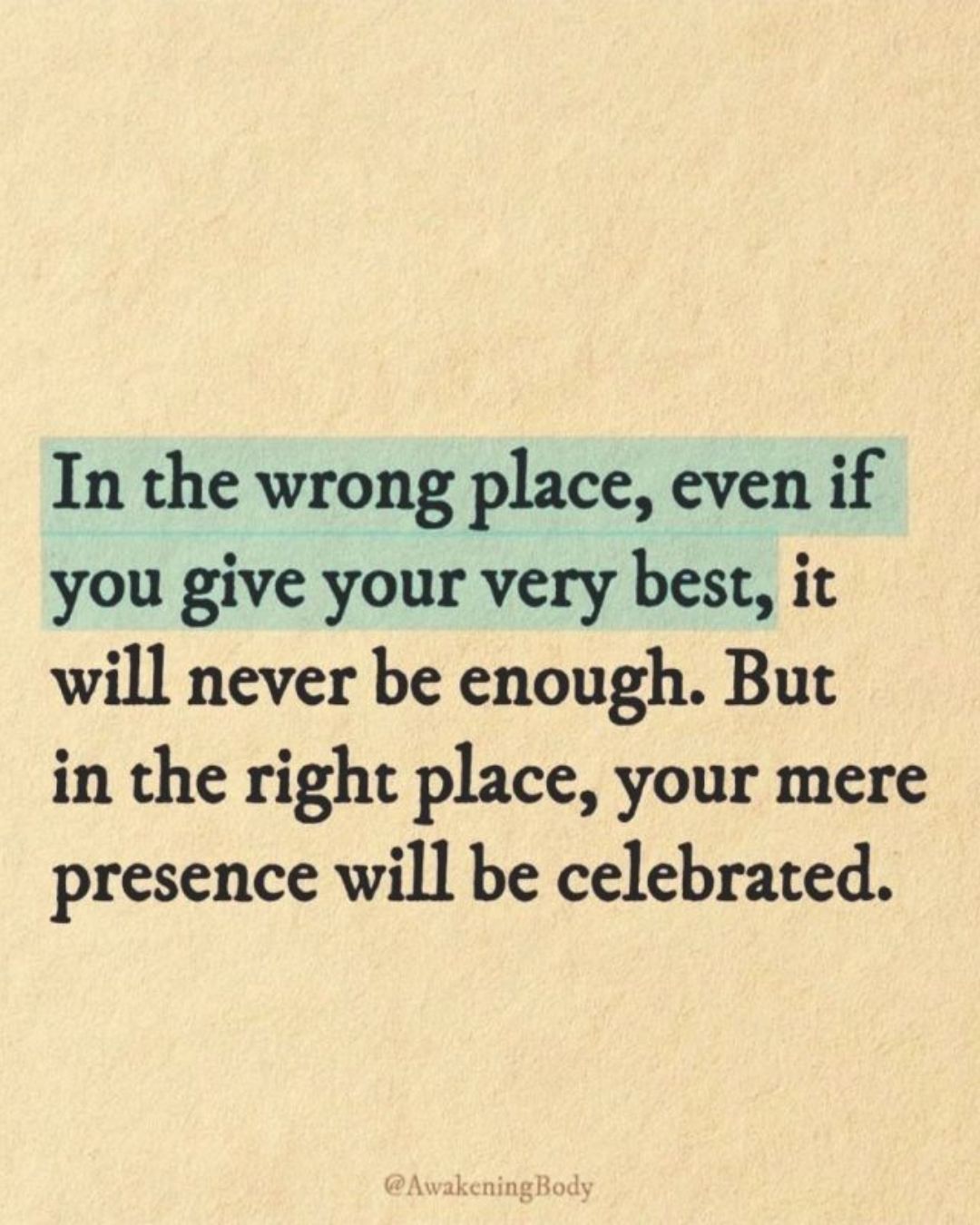
In a recent LinkedIn post, Ehsan Ali explores a counterintuitive yet powerful idea about career advancement: the critical importance of accessing the “right room” over simply accumulating more skills. Ali argues that many professionals become stagnant not due to a lack of capability, but because they are engaging in conversations at the wrong level, with the wrong people, and in the wrong environments.
Ali shares personal anecdotes to illustrate this point. He describes a past experience with an “abusive boss” despite holding a high salary and a significant title. Leaving that environment, he found himself in a new setting with “different standards. Different expectations. Different conversations.” This shift, according to Ali, led to a fundamental change in how he was perceived and the opportunities that became available to him.
The Stagnation of the Wrong Conversations
The core of Ali’s argument centers on the idea that professional growth at a certain level is not about increased effort in applying for roles, but about strategic positioning and access. He highlights how staying within the confines of limited professional circles can inadvertently create blind spots.
“Most professionals don’t get stuck because of capability. They get stuck because they’re having the wrong conversations… with the wrong people… at the wrong level.”
According to Ehsan Ali, the limitations professionals face are often self-imposed or a result of their immediate professional environment. When individuals are stuck in conversations that don’t align with their growth aspirations, their visibility and potential opportunities are similarly constrained. Ali emphasizes that this isn’t about a lack of talent, but a lack of strategic connection.
Redefining Professional Growth
Ali further elaborates on his own career trajectory, explaining that when he felt his progress plateau again, his solution wasn’t to seek more training or apply to more jobs. Instead, he consciously shifted his network and the nature of his interactions.
Shifting to “Bigger Thinking” Circles
He describes actively seeking out individuals who were “building. People thinking bigger. People connected to opportunities that never hit job boards.” This deliberate move into different professional circles, as Ali explains, unlocked new pathways and accelerated his career momentum. The key takeaway is that significant opportunities often exist in spaces that are not publicly advertised.
“Because at a certain level: You don’t grow by applying more. You grow by getting into the right rooms.”
In Ali’s view, these exclusive spaces are where crucial discussions about future opportunities occur before they become widely known. “The ones where opportunities are discussed before they’re posted. The ones that run on conversations, not applications,” he writes, underscoring the transactional nature of these high-level networks.
Visibility in the Professional Landscape
The concluding thought from Ehsan Ali is a powerful reminder about market perception. He posits that if a professional feels overlooked, it’s not necessarily because the market is indifferent, but because their presence is not known within the relevant circles.
“The market isn’t ignoring you. It just doesn’t know you’re there.”
Ali encourages professionals to reflect on their current network and the conversations they are having. By strategically seeking out and engaging in environments where key decisions are made and opportunities are seeded, individuals can overcome perceived limitations and foster significant career growth. His insights suggest a proactive approach to networking and visibility, emphasizing that the right connections can be more impactful than a long list of qualifications.
📝 About This Content
This article is based on insights shared by Ehsan Ali on LinkedIn.
📅 Originally posted on July 9, 2026 | View original post on LinkedIn →