
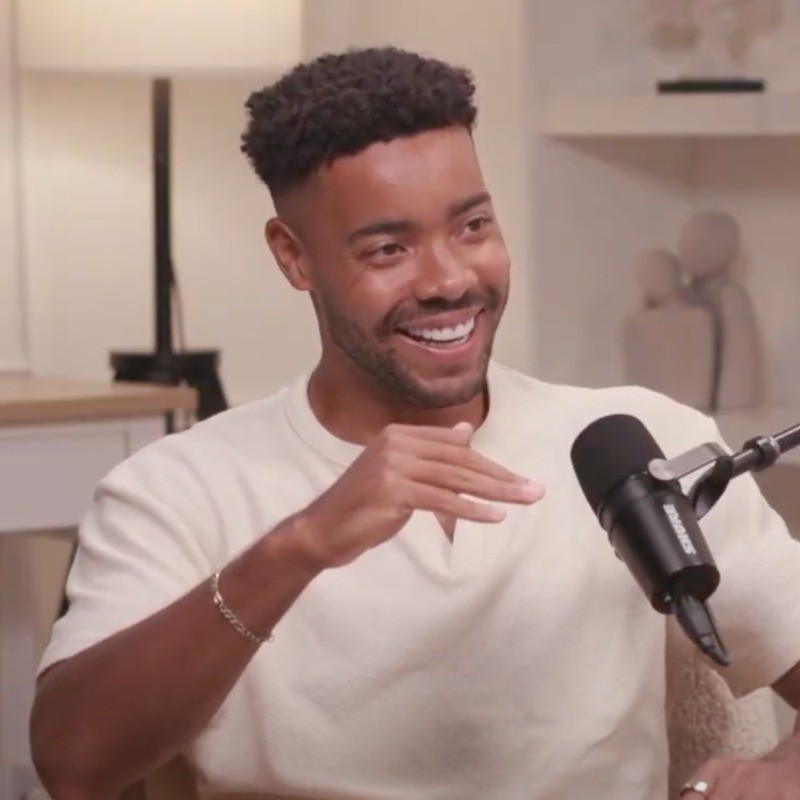
In a recent LinkedIn post, Michel Lieben 🧠, Founder & CEO of a 37-person company and a veteran of over 10 million outbound messages, shares his framework for achieving significant reply rates on LinkedIn direct messages. Lieben 🧠, who spends considerable time managing his own inbox, outlines the criteria that determine whether a cold DM warrants a response from busy executives.
He begins by highlighting a common, yet often ineffective, approach: offering free work. Lieben 🧠 notes that while this strategy can yield results, its effectiveness is amplified when executed with a specific mindset.
“Pro tip: Imagine the prospect already signed as a client. What’s the first thing you’d ship for them? Do it already, for free.”
This approach, as detailed by Lieben 🧠, involves proactively delivering a valuable first deliverable as if the deal were already closed, demonstrating immediate value and commitment.
Strategies for Earning a Reply
Michel Lieben 🧠 identifies several types of DMs that successfully capture his attention and elicit a response. These fall into categories that offer genuine value, demonstrate thorough research, or leverage existing credibility.
Leveraging Referrals and Internal Networks
One effective tactic, according to Lieben 🧠, is to request an internal referral. This strategy implies that the sender has done their homework and understands the recipient’s company structure and needs.
“If you’ve actually researched what we’re working on at ColdIQ and found out who owns it, I’ll happily route you to the right person,” Lieben 🧠 states. He further elaborates on scaling this by using tools to identify colleagues within specific departments, suggesting a sophisticated approach to networking.
Delivering Actionable Insights
Perhaps the most powerful strategy discussed by Lieben 🧠 is the delivery of genuinely valuable, specific insights. He contrasts generic offers with highly tailored, actionable advice that showcases expertise without an immediate ask.
“The best ‘free work’ isn’t actually work. It’s insights. I send technical audits of prospects’ platforms. → 5-minute analysis → 3 specific optimization opportunities → No strings attached”
This method, as shared by Lieben 🧠 via a quote from another user, Jihad Iqbal, emphasizes providing value so substantial that it would typically command a fee. This approach stands out from the crowd of generic solicitations.
The Impact of Personal Brand
Interestingly, Lieben 🧠 also points out the influence of the sender’s reputation. He notes that messages from well-known figures, even if imperfect, are more likely to receive a reply.
“A bit unfair, but WHO sends the message matters as much as the message itself,” he observes. Lieben 🧠 suggests that building a strong personal brand, particularly on LinkedIn, can significantly increase the efficacy of outbound messaging.
Pitfalls to Avoid in LinkedIn DMs
Conversely, Lieben 🧠 also details common mistakes that lead to DMs being ignored. These primarily revolve around a lack of personalization and a focus on quantity over quality.
The Danger of Zero Personalization
He strongly advises against purely volume-based outreach with generic templates. As Lieben 🧠 puts it:
“Appealing to everyone = appealing to no one. You’re wasting your DMs.”
This sentiment underscores the need for tailored messaging that acknowledges the recipient’s specific context and potential needs.
Avoiding ‘Pick My Brain’ Requests
Another common misstep identified is the request to ‘pick someone’s brain.’ While well-intentioned, Lieben 🧠 explains that such requests often lack a clear value proposition for the person being asked and are difficult to accommodate due to time constraints.
In conclusion, Michel Lieben 🧠’s insights provide a clear roadmap for professionals looking to improve their LinkedIn outreach effectiveness. By focusing on genuine value, specific insights, strategic referrals, and the power of personal branding, while avoiding generic and time-consuming requests, individuals can significantly enhance their chances of getting a reply.
📝 About This Content
This article is based on insights shared by Michel Lieben 🧠 on LinkedIn.
📅 Originally posted on May 14, 2026 | View original post on LinkedIn →