
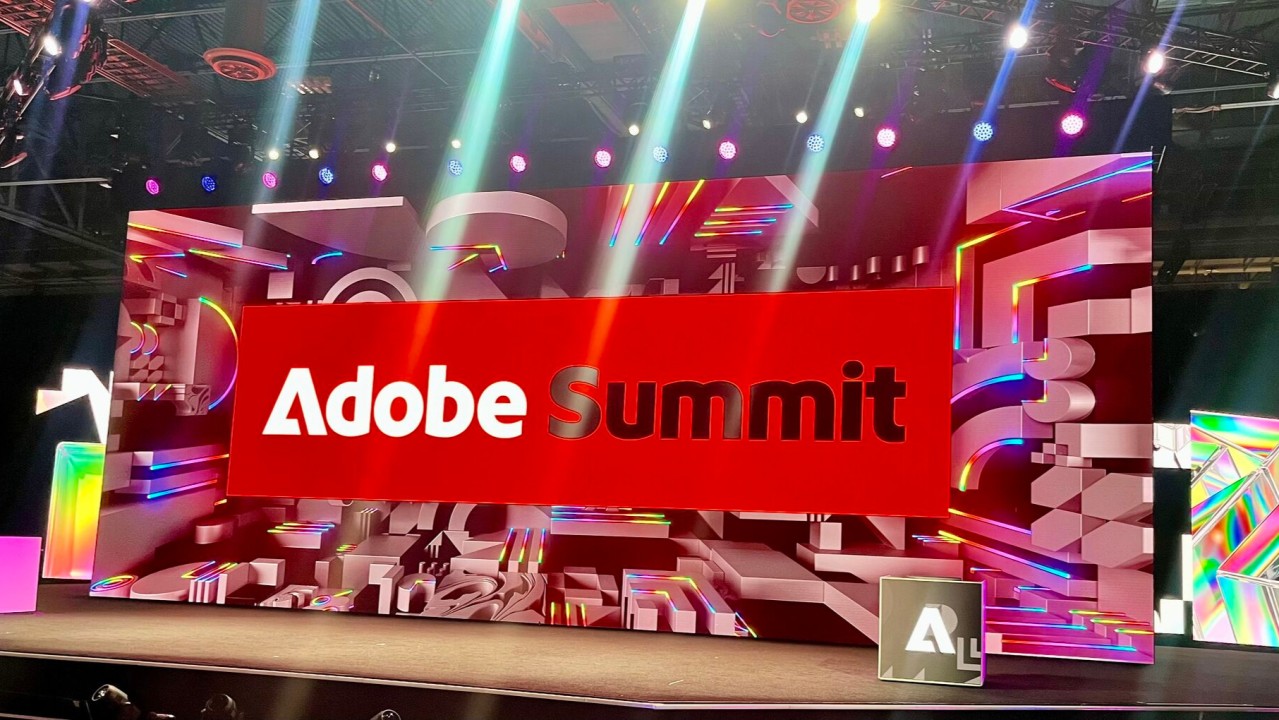
In a recent LinkedIn post, Adrian Swinscoe shares his key takeaways from the Adobe Summit, offering a journalist’s perspective on the transformative potential of Artificial Intelligence and its implications for the future of work. Swinscoe frames the event as a pivotal moment, suggesting that the advancements showcased necessitate a fundamental rethinking of how businesses operate and how employees are empowered.
Swinscoe highlights the sentiment that the technology landscape is at a significant turning point. He quotes Adobe CEO Shantanu Narayen, who stated:
“We’re living at a true inflection point”, and AI requires us to rethink how we work and how we truly empower our people – Adobe CEO Shantanu Narayen
This observation sets the stage for Swinscoe’s deeper analysis of how organizations can navigate this new era. He emphasizes that the insights gathered at the summit, particularly concerning AI, are not merely incremental updates but represent a paradigm shift.
The Dual Nature of Work: Purpose vs. Task in the Age of AI
A central theme in Swinscoe’s coverage of the Adobe Summit revolves around the concept of agentic AI and its potential to redefine job roles. He points to the perspective shared by NVIDIA CEO Jensen Huang, who breaks down work into its fundamental components: purpose and task.
According to Swinscoe’s reporting on Huang’s insights, the strategic application of agentic AI lies in its ability to automate or significantly reduce the time spent on task-oriented activities. This, in turn, frees up human capital to focus on higher-value, uniquely human contributions.
To fully harness the potential of agentic AI, we need to break down our roles into two components: purpose and task. We then need to use agentic AI to help us spend less time on task-related work, so we can spend more time on purpose-related activities, such as creativity, strategy and emotional storytelling – NVIDIA CEO Jensen Huang
Swinscoe underscores that this distinction is crucial for leaders aiming to leverage AI effectively. By offloading repetitive or data-intensive tasks to AI, employees can dedicate more cognitive resources to areas that require critical thinking, innovation, and emotional intelligence – aspects that remain distinctly human.
Are Brands Ready for the AI Revolution?
Beyond the technological advancements, Swinscoe’s post raises a critical question about organizational readiness. He notes the impressive nature of the new products, innovations, and customer success stories presented at the summit, suggesting that the practical applications of these AI tools are already yielding tangible benefits.
However, Swinscoe pivots to a more cautious, analytical stance, posing the question: “Are brands ready?” This rhetorical question, as presented in his coverage, serves as a prompt for introspection within the business community. It implies that while the technology is advancing rapidly, the strategic alignment, workforce adaptation, and cultural shifts required to fully capitalize on these advancements may lag behind.
Swinscoe concludes his summary by indicating that his full breakdown delves into these announcements, the preparedness of brands, and the broader leadership lessons emerging from the event. This suggests a comprehensive journalistic effort to contextualize the summit’s outcomes for a business audience.
📝 About This Content
This article is based on insights shared by Adrian Swinscoe on LinkedIn.
📅 Originally posted on April 29, 2026 | View original post on LinkedIn →