
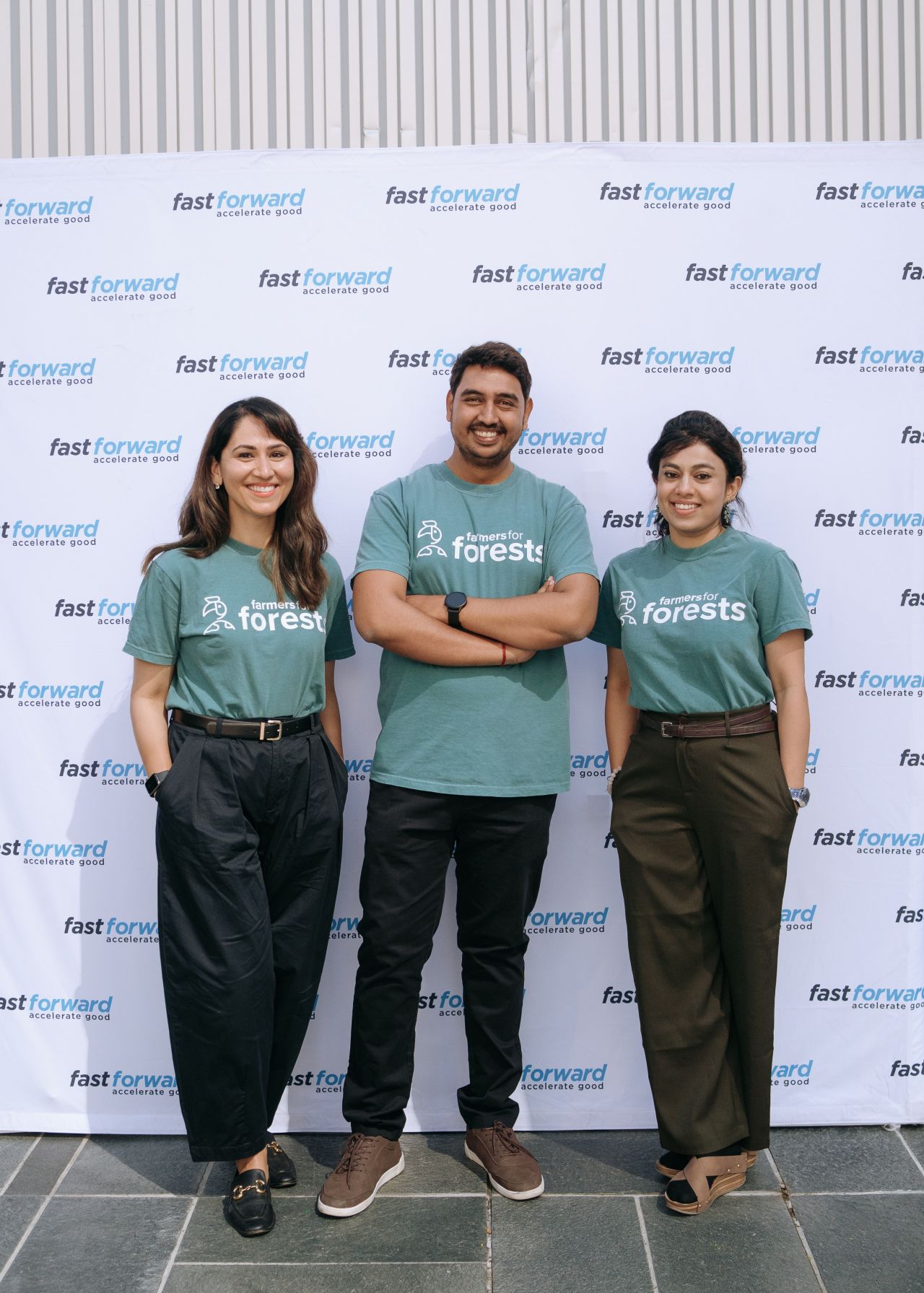
In a recent LinkedIn post, Nithin Kamath discusses the critical role of agroforestry in addressing India’s rising temperatures and deforestation challenges. Kamath highlights the innovative work of Farmers for Forests (F4F), an initiative he and the Rainmatter Foundation have supported, which focuses on large-scale agroforestry projects.
The urgency of the situation is underscored by recent extreme weather events. “The heat has been brutal this past week. Temperatures hit 45 in Nagpur, 44 in Ahmedabad, 43 in Prayagraj, 42 in Delhi. Even Bengaluru hit 37. And we’re still in April 😬,” Kamath writes, emphasizing the direct impact of environmental changes.
Addressing the Challenges of Agroforestry Adoption
Kamath points out the significant hurdles faced by traditional tree-planting projects and farmers. A primary concern is the extended period before trees yield financial returns, a timeline often too long for farmers to sustain. Furthermore, many projects struggle to survive initial environmental challenges, such as the monsoon season.
“The challenge is that farmers can’t afford to wait years for trees to pay off, and most tree-planting projects don’t survive the first monsoon,” Kamath states in his post, outlining the core problems F4F aims to solve.
F4F’s Innovative Approach to Reforestation
The F4F initiative differentiates itself from conventional monoculture plantations, which Kamath notes are not true forests. Instead, F4F implements multi-layer agroforests. These systems integrate various species, including fruit trees, timber, shrubs, intercrops, and native plants, designed to replicate the complex structure of natural forests.
This approach has yielded impressive results. According to Kamath, F4F has expanded from 50 acres to 5,000 acres over six years and has secured funding to reach 40,000 acres in the next three years. The impact on key environmental and economic indicators is substantial:
- Approximately 4x greater carbon sequestration per acre compared to traditional farming.
- Around 3x increase in farmer income per acre.
- Significant improvements in biodiversity and soil health.
Kamath emphasizes the importance of verifiable data for such initiatives. To this end, F4F developed TreeLens, an open-source system utilizing drone imagery to measure carbon sequestration, tree height, and biodiversity across numerous small farms. As Nithin Kamath notes, “15 other organisations now use it,” demonstrating the system’s utility and adoption.
Financial Instruments to Support Long-Term Growth
The most significant barrier to widespread agroforestry adoption, as highlighted by Kamath, remains the time factor. To overcome this, F4F is collaborating with government bodies and the broader ecosystem to develop innovative financial instruments. These include carbon bonds and first-loss guarantees designed to mitigate financial risks for farmers during the crucial years it takes for trees to mature and become profitable.
Kamath concludes by expressing his satisfaction with the early support provided to the F4F team, including Arti Dhar, Aditya Avinashe, and Krutika Ravishankar, stating, “Really glad we backed [them] early.” His post serves as a compelling case study for how strategic agroforestry initiatives, supported by technological innovation and thoughtful financial planning, can offer a viable path towards environmental sustainability and economic prosperity for farming communities.
📝 About This Content
This article is based on insights shared by Nithin Kamath on LinkedIn.
📅 Originally posted on April 27, 2026 | View original post on LinkedIn →