
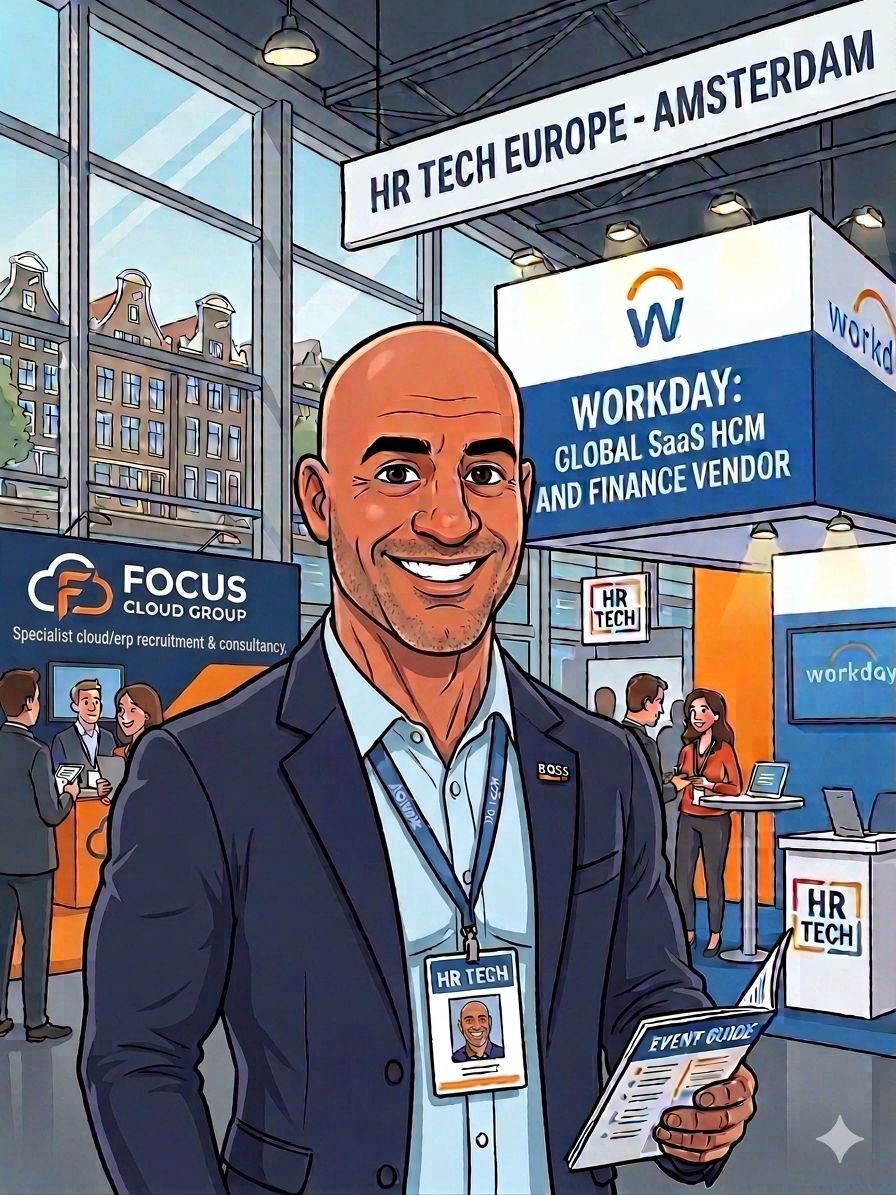
In a recent LinkedIn post, Lloyd George Gordon offers a critical perspective on the current state of Artificial Intelligence within the HR technology landscape, particularly following his attendance at HR Tech Europe in Amsterdam. Gordon emphasizes that while AI is ubiquitous among vendors, tangible, measurable outcomes for enterprises are less common, highlighting a significant gap between AI’s promise and its practical application.
“Every vendor has an AI story. Outcomes aren’t. […] That gap isn’t a technology problem. It’s an operational one.”
The Operational Hurdle to AI Adoption
Gordon argues that the primary challenge enterprises face with AI in HR is not a lack of technological capability but rather an operational deficit. He observes that many businesses are caught in a cycle of running isolated pilot projects, which they mistakenly label as a comprehensive strategy. This approach, he notes, often leads to stalled adoption rates within six months.
According to Gordon, the fundamental frameworks supporting HR and payroll functions are undergoing significant rebuilding, not mere adjustments. The true differentiator, he posits, lies not in the technology itself but in the operating model that surrounds it. This suggests that successful AI integration requires a strategic overhaul of existing processes and structures.
Identifying Key Players and Emerging Narratives
During his time at HR Tech Europe, Gordon observed major players like Workday and SAP setting a high bar for AI implementation at scale. He also expressed particular interest in the capabilities of Sana, noting its potential applicability to his own business, Focus Cloud Group.
Beyond the major platforms, Gordon identified several key narratives shaping the HR tech discourse:
- Indeed is reportedly making significant strides with AI in talent acquisition.
- Mercer is refocusing its workforce planning strategies on skills, rewards, and data analytics.
- O.C. Tanner is championing the importance of culture and recognition as crucial human counterbalances to automation.
As Lloyd George Gordon points out, the crucial question now being posed to vendors is not about the AI’s capabilities, but about its integration into existing workflows and the accountability structure when issues arise.
“The question everyone is putting to vendors right now isn’t “what can your AI do.” It’s “where does it sit in my workflow, and who owns it when it breaks.””
The Human Element in an AI-Driven Future
Gordon underscores the enduring importance of people amidst the rise of AI. He asserts that even as AI drives many systems, the success of HR projects and organizational advancement hinges on having the right individuals involved.
“What has become even more apparent to me is that even though Ai is driving systems, its ever so important to have the right people on your projects and in your organisation. They’re the thinking tanks that drive things forward.”
For those within the Workday ecosystem, Gordon identifies the current year as a pivotal moment, marking a shift from siloed, module-specific thinking towards a more integrated, holistic intelligence across the entire technology stack. He concludes by offering his firm’s expertise to organizations navigating complex deployments, AMS switches, or the integration of intelligence into their HCM systems, stating they have developed the necessary playbooks.
📝 About This Content
This article is based on insights shared by Lloyd George Gordon on LinkedIn.
📅 Originally posted on April 23, 2026 | View original post on LinkedIn →