
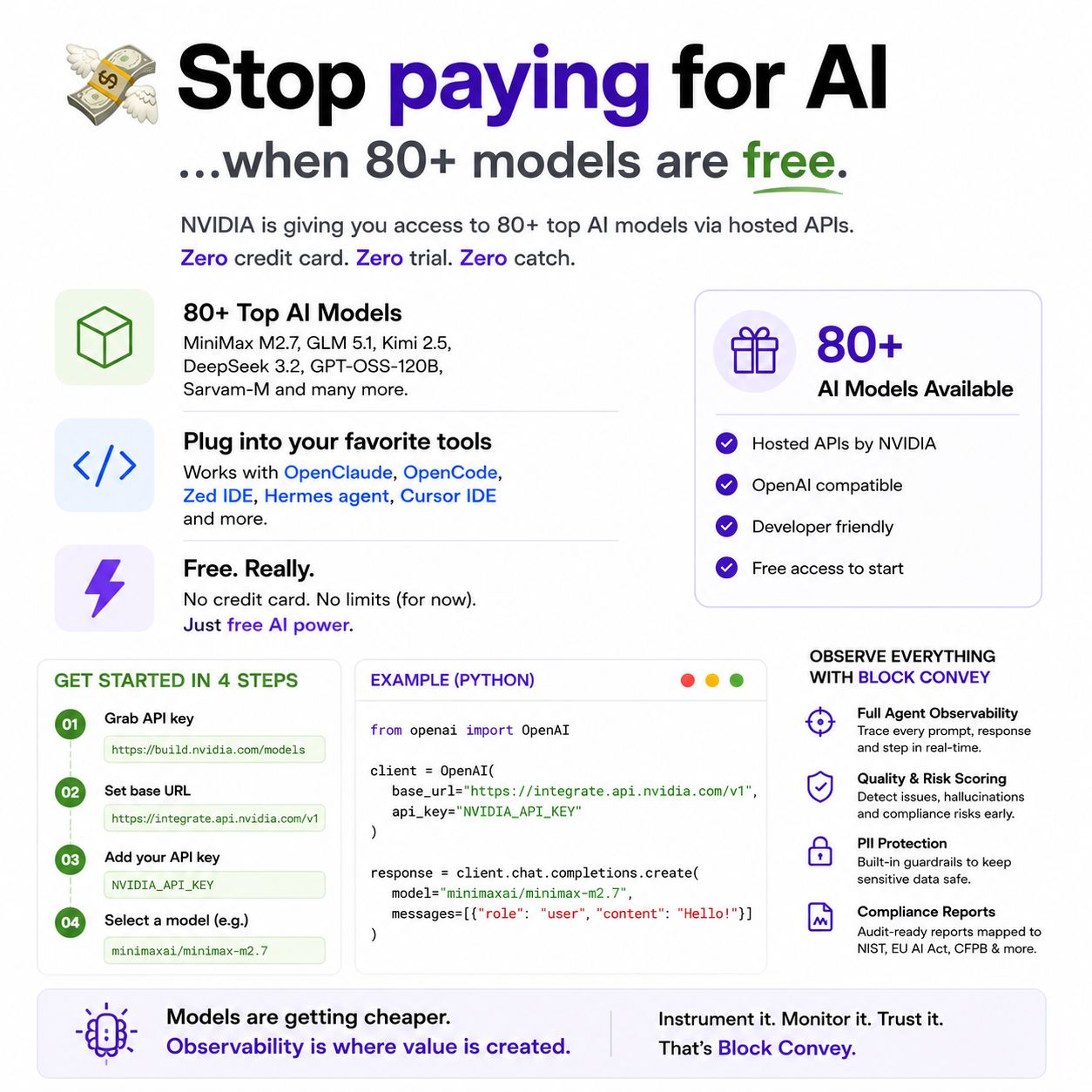
In a recent LinkedIn post, Arun P. explores the evolving landscape of Artificial Intelligence, suggesting that the primary challenge is shifting from accessing AI models to understanding and governing them once deployed. Arun P. highlights the increasing commoditization of AI models, a trend he has observed firsthand through significant investment in AI APIs.
Arun P. points out the rapid proliferation of AI models, noting the availability of numerous options through single endpoints. He states:
“~80 AI models available through a single endpoint.
DeepSeek. Kimi. Llama. Qwen. MiniMax. GLM.”
This abundance, according to Arun P., signifies a critical inflection point in the AI industry.
The Commoditization of AI Models
Arun P. argues that the ease of access to a wide array of AI models is diminishing their value as a competitive differentiator. He observes that many teams are spending considerable time comparing models that offer only marginal performance differences, a pursuit he believes is becoming less strategic.
“The bigger takeaway? AI models are quickly becoming a commodity,” Arun P. writes. “The challenge is no longer getting access to AI. It’s understanding what your AI is doing after deployment.”
This perspective is rooted in Arun P.’s experience at Block Convey, where he sees companies grappling with the operational realities of AI implementation. The focus, he suggests, should move beyond the initial acquisition of models to their ongoing management and performance in production environments.
The Rise of Observability and Governance
As the cost and accessibility of AI models continue to decrease, Arun P. emphasizes the growing importance of AI observability, governance, and trust. These factors, in his view, will become the key determinants of success for businesses leveraging AI.
“The companies that win won’t be the ones with access to the most models. Everyone will have access,” Arun P. asserts. “The winners will be the companies that understand, monitor, and govern AI better than everyone else.”
Shifting Competitive Advantage
Arun P. elaborates that the true competitive advantage will lie not in the quantity of models available but in the ability to effectively manage and interpret their behavior in real-world applications. This involves deep insights into how AI systems are performing, making decisions, and impacting business outcomes.
He concludes by reiterating the shift in value:
“As models get cheaper, observability, governance, and trust become more valuable.”
Arun P.’s analysis suggests a strategic pivot for businesses, urging them to prioritize the infrastructure and processes that enable robust AI monitoring and control, rather than solely focusing on acquiring the latest models.
📝 About This Content
This article is based on insights shared by Arun P. on LinkedIn.
📅 Originally posted on June 21, 2026 | View original post on LinkedIn →