
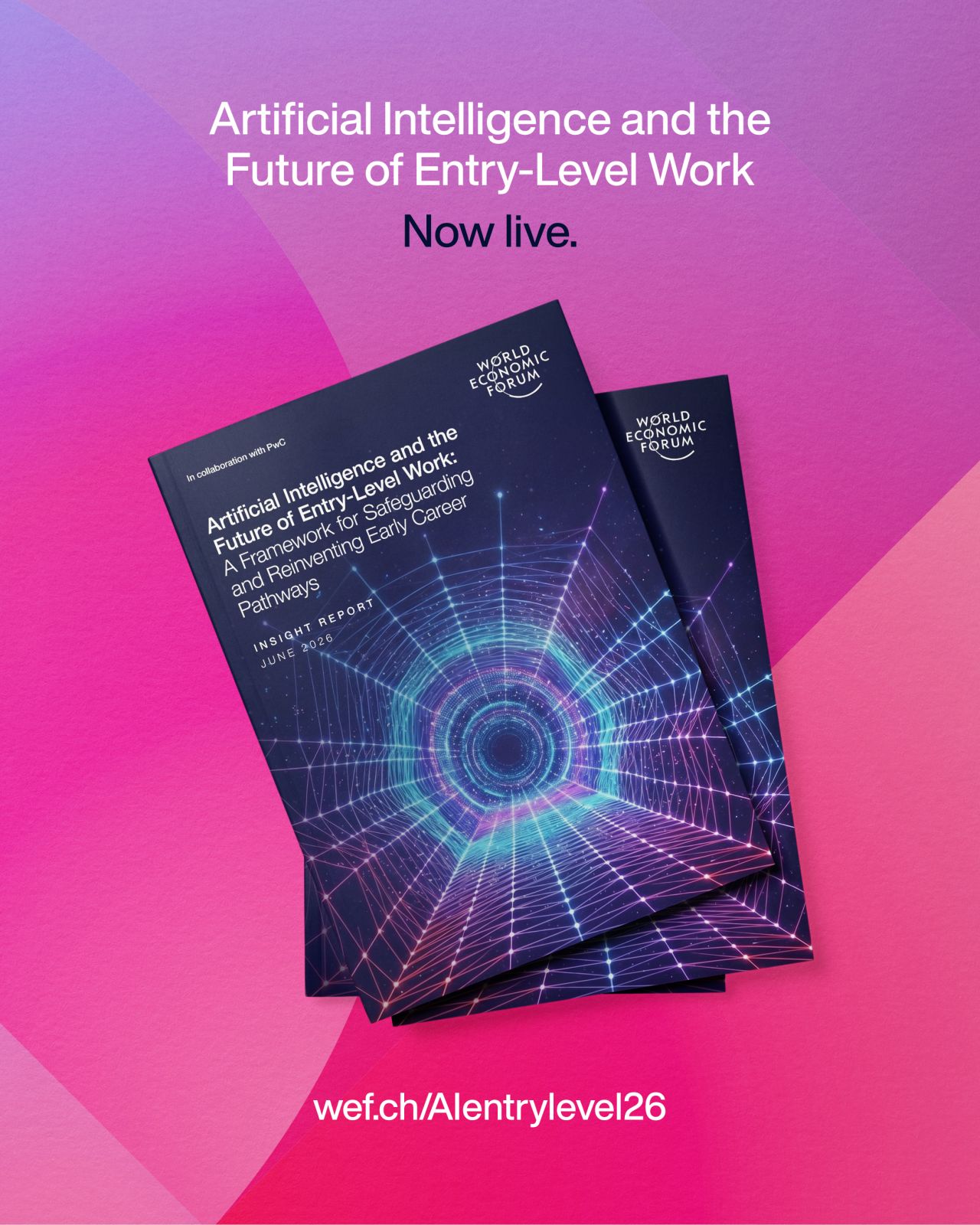
In a recent LinkedIn post, Nicki Allitt discusses the profound impact of Artificial Intelligence on entry-level roles and the crucial need to adapt how we prepare the next generation for the workforce. Allitt raises concerns about the traditional pathways to leadership, which have historically relied on early-career experiences for learning and development, being fundamentally altered by AI’s capabilities.
Allitt highlights the critical juncture we are at, stating:
“For generations, entry-level roles have been where people learned by doing. They made mistakes, built confidence, developed judgment and discovered what they were capable of. Today, many of those tasks are the very ones AI can perform.”
The Shifting Landscape of Early Careers
According to Allitt, the automation of tasks previously handled by entry-level workers presents both a significant opportunity for work redesign and a considerable responsibility for leaders and educators. The core of the issue, as Allitt points out, is that if the tasks are automated but the learning pathways remain unchanged, we risk hindering the development of essential skills and judgment in new workers.
Allitt’s analysis, drawing from the World Economic Forum report “Artificial Intelligence and the Future of Entry-Level Work,” underscores the scale of this transformation. The report indicates that:
“More than one in three young workers globally are employed in occupations with medium to high exposure to AI-driven task change.”
This statistic, as presented by Allitt, emphasizes the widespread nature of AI’s influence on early careers and the urgency for proactive measures. Allitt argues that failing to reinvent the entry-level experience in parallel with technological advancement could lead to a generation with diminished opportunities to acquire foundational experience, which is vital for future leadership roles.
Four Pillars for Action
To navigate this evolving landscape, Nicki Allitt outlines four key areas identified in the WEF report where action is imperative:
- Protect access to entry-level opportunities: Ensuring that new entrants can still find and secure roles that offer valuable learning experiences.
- Redesign jobs to build skills alongside AI: Creating positions where individuals can work collaboratively with AI, developing new competencies rather than being replaced by automation.
- Strengthen talent pipelines: Building robust systems that guide individuals from education into meaningful early-career roles.
- Better align education with the realities of work: Making sure that educational curricula are current and equip students with the skills needed in an AI-influenced job market.
In Allitt’s view, the future of work is not solely defined by the capabilities of AI but by the choices made today regarding the development and integration of the incoming workforce. Allitt concludes with a powerful statement on human agency in shaping this future:
“The future of work is not only about what AI can do. It is about what we choose to make possible for the people entering the workforce today.”
This perspective frames the challenge as a human-centric one, emphasizing that strategic choices by businesses, policymakers, and educators will determine whether AI becomes a tool for enhanced opportunity or a barrier to growth for the next generation of leaders.
📝 About This Content
This article is based on insights shared by Nicki Allitt on LinkedIn.
📅 Originally posted on July 6, 2026 | View original post on LinkedIn →