
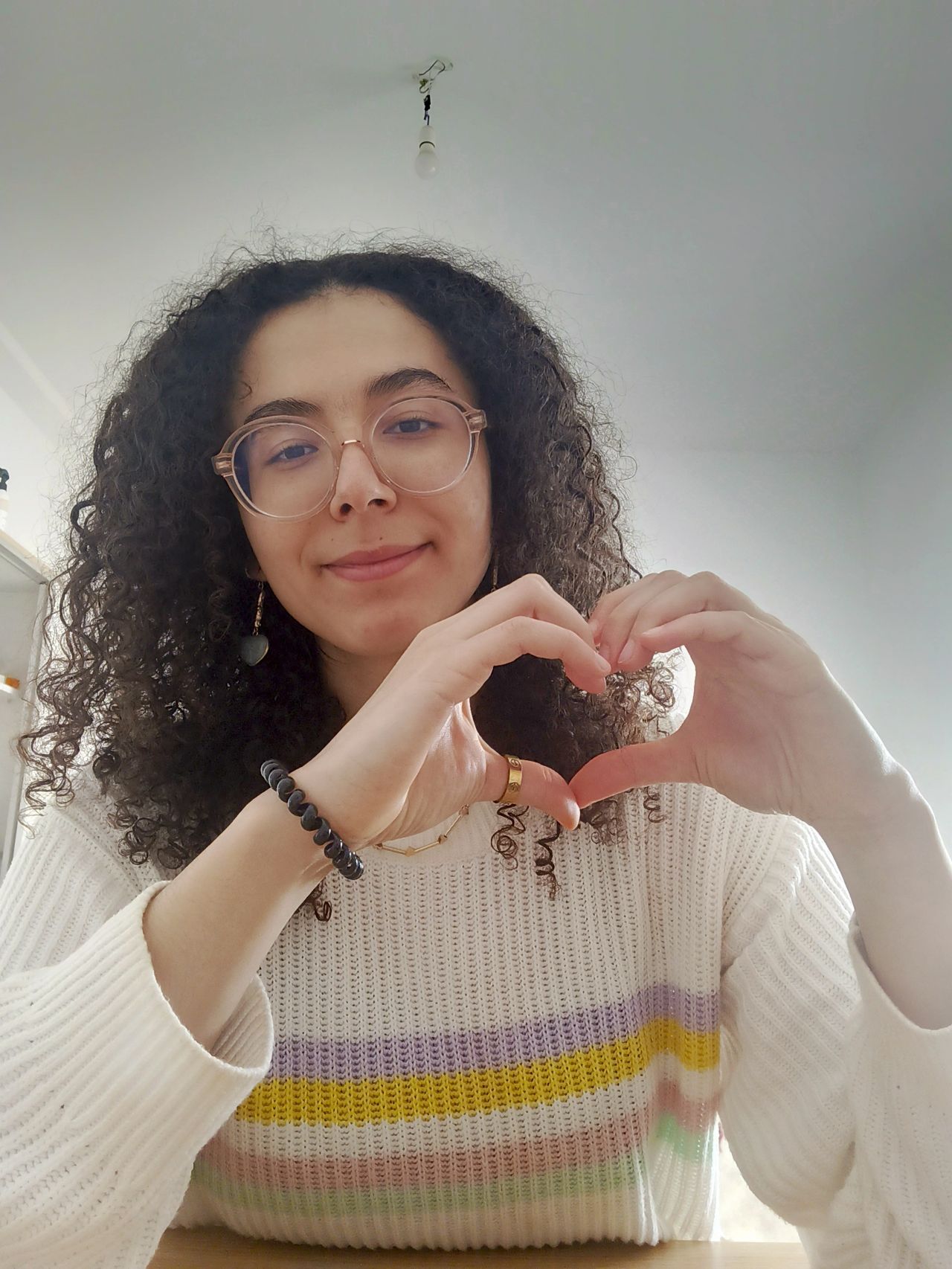
In a recent LinkedIn post, Alicia Teltz raises urgent questions about the fairness and accessibility of LinkedIn’s identity verification system, particularly for professionals outside of currently supported geographies. Teltz highlights the case of Souad, a brilliant professional assisting medical professionals with career advancement, who is unable to verify her identity on the platform because she resides in Tunisia.
The Problem with Unequal Access to Verification
Teltz argues that LinkedIn’s move towards using verification as a trust signal is fundamentally flawed when access to verification is not equitable. She points out that LinkedIn’s identity verification is only available in select regions, and Tunisia is not among them. This creates a barrier for individuals like Souad, whose business relies heavily on LinkedIn.
The situation is exacerbated by recent announcements from LinkedIn. Teltz quotes Rishi Jobanputra, Sr. Director, Product Management at LinkedIn, who stated:
We’re testing the ability to filter comments from verified members. Verification helps provide additional confidence that you’re engaging with real professionals, making it easier to identify trusted voices in important conversations.
Teltz critically questions this approach, stating:
THIS is the problem!! How can verification become a trust signal when MILLIONS of professionals DON’T HAVE EQUAL ACCESS to becoming verified in the first place???
Excluding Professionals and Undermining the Vision
Alicia Teltz emphasizes the disparity in opportunities created by this verification gap. She notes that LinkedIn’s own data indicates verified members receive significantly more profile views and engagement. However, Teltz argues that this benefit is inaccessible to many due to geographical limitations, employer restrictions, or unsupported educational institutions.
This situation directly contradicts LinkedIn’s stated vision. Teltz reminds readers of LinkedIn’s official vision statement:
Create economic opportunity for EVERY MEMBER of the global workforce.
According to Teltz, Souad exemplifies the type of professional LinkedIn should be empowering. By preventing her from accessing a key trust signal, LinkedIn is inadvertently hindering her ability to create economic opportunity, both for herself and for others she assists.
A Call for Inclusive Solutions
Teltz makes a direct appeal to LinkedIn, urging them to reconsider their strategy. She contends that the intention behind verification, while perhaps positive, does not negate the negative outcome of creating inequality.
Teltz advocates for a more inclusive approach:
Don’t build verification into any mechanisms until EVERY MEMBER has a reasonable path to becoming verified. Until verification can be rolled out globally, there needs to be an alternative route.
She suggests potential solutions, such as a manual verification process or an escalation path, to ensure that all members, regardless of their location, have a fair chance to be verified. Teltz concludes that professionals like Souad deserve better and that LinkedIn needs to address this systemic inequality to truly live up to its mission.
📝 About This Content
This article is based on insights shared by Alicia Teltz on LinkedIn.
📅 Originally posted on August 15, 2026 | View original post on LinkedIn →