
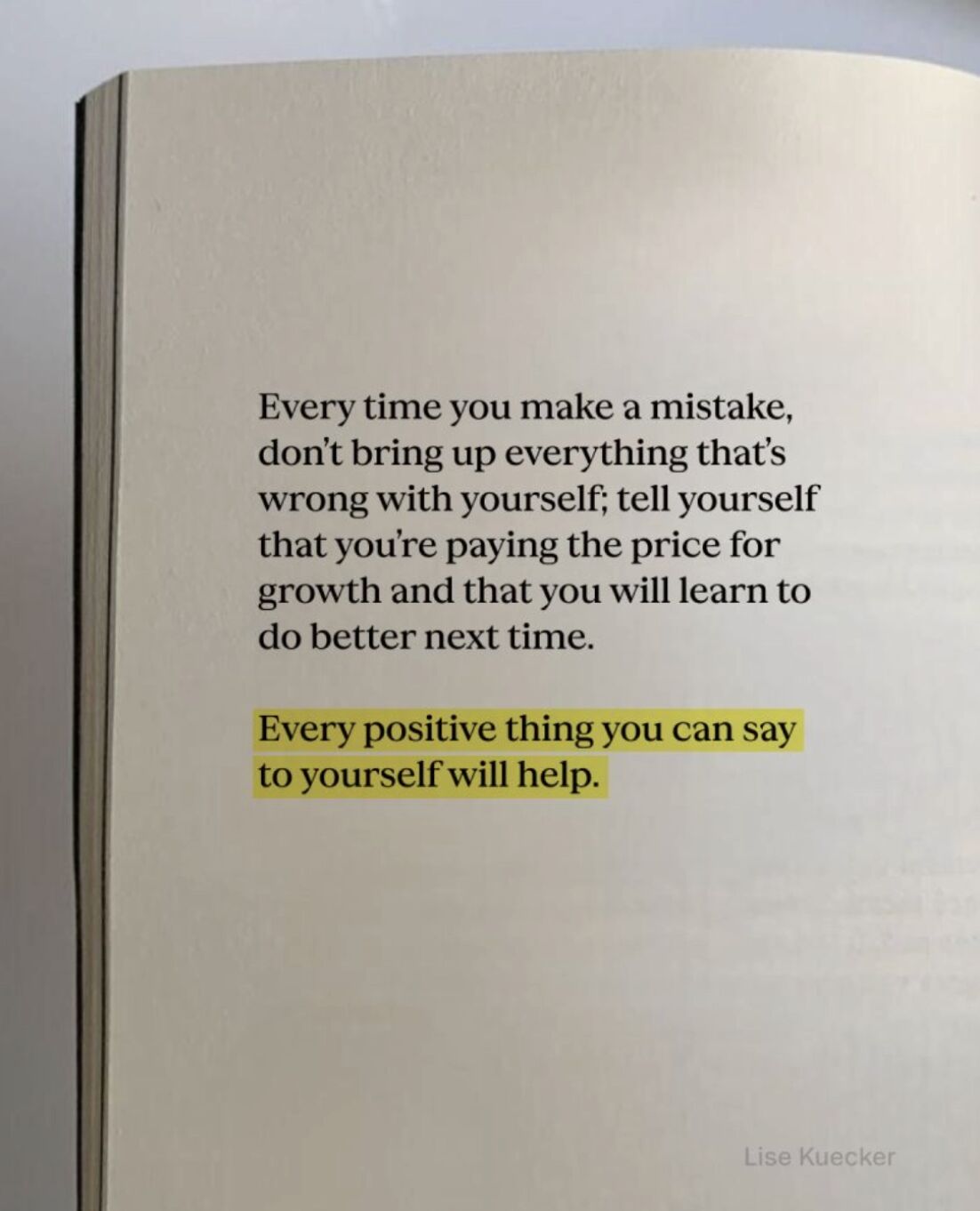
In a recent LinkedIn post, Alvin Huang offers a compelling perspective on how individuals and teams should approach errors, reframing them not as failures but as essential components of growth and resilience. Huang challenges the common tendency to treat mistakes as definitive setbacks, advocating instead for a more constructive and forward-looking mindset.
Huang highlights the crucial distinction between a mistake and a failure, emphasizing that the former is a stepping stone, while the latter is often a result of not learning from the experience. He shares a thought-provoking sentiment from Lise Kuecker, which he felt compelled to share:
“Mistakes are part of the process. If you’re not making any, you’re not growing.”
This core idea underpins Huang’s argument that a fear of making mistakes can stifle innovation and personal development. He contrasts his own experiences, noting that while true failures (those from which no lessons are learned) are few, mistakes are abundant and invaluable learning opportunities.
The Path to Resilience After an Error
Huang outlines a clear, actionable framework for navigating the aftermath of a mistake. He stresses that the critical factor isn’t the mistake itself, but the response to it. According to Huang, the process of recovery builds crucial resilience.
He details several key steps:
- Own It: Honesty with oneself and, where appropriate, with others is the first step. This involves acknowledging the error without making excuses.
- Avoid Self-Recrimination: Huang cautions against succumbing to negative self-talk, which he notes can arise quickly. He advocates for self-fairness during the process.
- Process, Don’t Dwell: While acknowledging the natural feelings of frustration or disappointment is important, Huang advises against getting stuck in these emotions.
- Maintain Perspective: A single mistake, he argues, does not define an individual’s entire identity or capability.
- Learn and Move Forward: The final, and perhaps most critical, step is to identify what went wrong, make necessary adjustments, and continue progressing.
As Huang points out, this iterative process of making mistakes and recovering strengthens an individual’s ability to handle future challenges.
“Each time you do this, you build resilience. And the next time you make a mistake, you’ll be stronger for it.”
Huang’s perspective shifts the focus from the negative event of a mistake to the positive outcome of increased resilience and capability. He concludes by reinforcing that the very act of making mistakes signifies movement and engagement, which he deems the most important aspects of progress.
Mistakes as Indicators of Progress
Huang’s central thesis is that mistakes are not endpoints but rather indicators that one is actively engaged and pushing boundaries. This is a vital message for entrepreneurs, leaders, and professionals navigating complex and rapidly evolving environments.
Embracing the Learning Curve
By encouraging his audience to view mistakes through this lens, Huang aims to foster a culture where learning is prioritized, and setbacks are seen as opportunities for growth. He emphasizes that:
“Mistakes mean you’re still moving. And that’s all that truly counts.”
This perspective is particularly valuable in today’s business landscape, where innovation often involves venturing into the unknown. Huang’s insights, shared on LinkedIn, serve as a timely reminder that true failure lies not in making errors, but in ceasing to learn and adapt from them.
📝 About This Content
This article is based on insights shared by Alvin Huang on LinkedIn.
📅 Originally posted on April 30, 2026 | View original post on LinkedIn →