
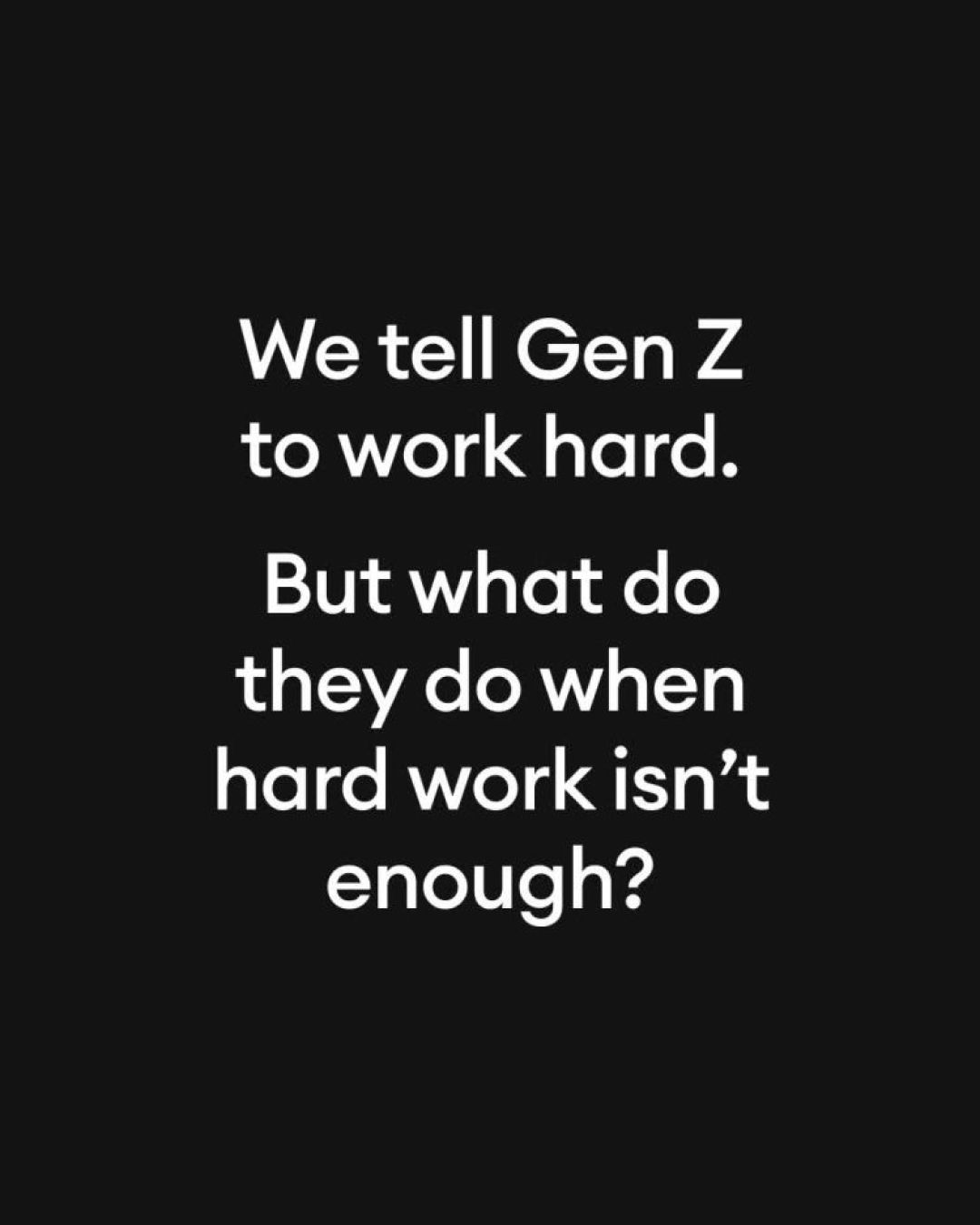
In a recent LinkedIn post, Ankur Warikoo delves into the reasons behind Gen Z’s perceived aversion to traditional work structures, suggesting that societal and economic shifts, rather than generational laziness, are the primary drivers. Warikoo contrasts the career and financial landscape faced by previous generations with the stark realities confronting young people today.
Warikoo highlights the vastly different entry points into the workforce and financial stability that previous generations experienced. He points to the ease with which older generations could secure employment and achieve significant life milestones. As Ankur Warikoo notes:
“Our parents: Walked into an office with a handwritten resume and got a job. Bought a house at 35. Supported their family on a ₹35,000 salary. Worked 40 hours a week. Had a peaceful retirement.”
The Evolving Economic Realities for Young Professionals
The core of Warikoo’s argument rests on the dramatic changes in the economic environment. He details the intense competition and the disconnect between educational investment and subsequent earning potential for Gen Z. According to Ankur Warikoo, the job market has become significantly more challenging.
Intensified Competition and Stagnant Wages
Warikoo emphasizes the sheer volume of applicants for entry-level positions, a stark contrast to the past. He points out the irony of requiring extensive experience for roles designated for freshers.
“Gen Z, on the other hand, is: Competing with 10,000 people for a freshers job that still requires a minimum of 3 years of work experience.”
Furthermore, Ankur Warikoo addresses the financial return on higher education, noting a significant disparity between the cost of degrees and the starting salaries offered. This creates a challenging financial trajectory from the outset of their careers.
The Widening Gap in Financial Attainability
Beyond initial employment, Warikoo tackles the escalating costs of major life investments, particularly housing. He draws a stark comparison between the affordability of homeownership for previous generations and the current struggle for Gen Z.
“The house that once cost ₹15 lakhs now costs ₹3 crore, even with a loan.”
This dramatic increase in property values, coupled with potentially lower starting salaries relative to these costs, paints a picture of diminished financial prospects. Ankur Warikoo suggests that the traditional markers of financial success are increasingly out of reach for the younger generation.
Work-Life Balance and Financial Strain
Warikoo also touches upon the erosion of work-life balance and the ongoing financial pressures faced by Gen Z. He implies that the expectation of working long hours without commensurate financial security or personal time contributes to their dissatisfaction.
“There’s no work–life balance, and they’re living hand to mouth every month.”
In his concluding thoughts, Ankur Warikoo poses a question that reframes the narrative around Gen Z’s attitude towards work. He suggests that their frustration and perceived reluctance might be a logical response to an economic system that presents significantly greater obstacles than it did for their predecessors. The post encourages a broader understanding of the systemic factors influencing generational attitudes towards employment and financial well-being.
📝 About This Content
This article is based on insights shared by Ankur Warikoo on LinkedIn.
📅 Originally posted on February 23, 2026 | View original post on LinkedIn →