
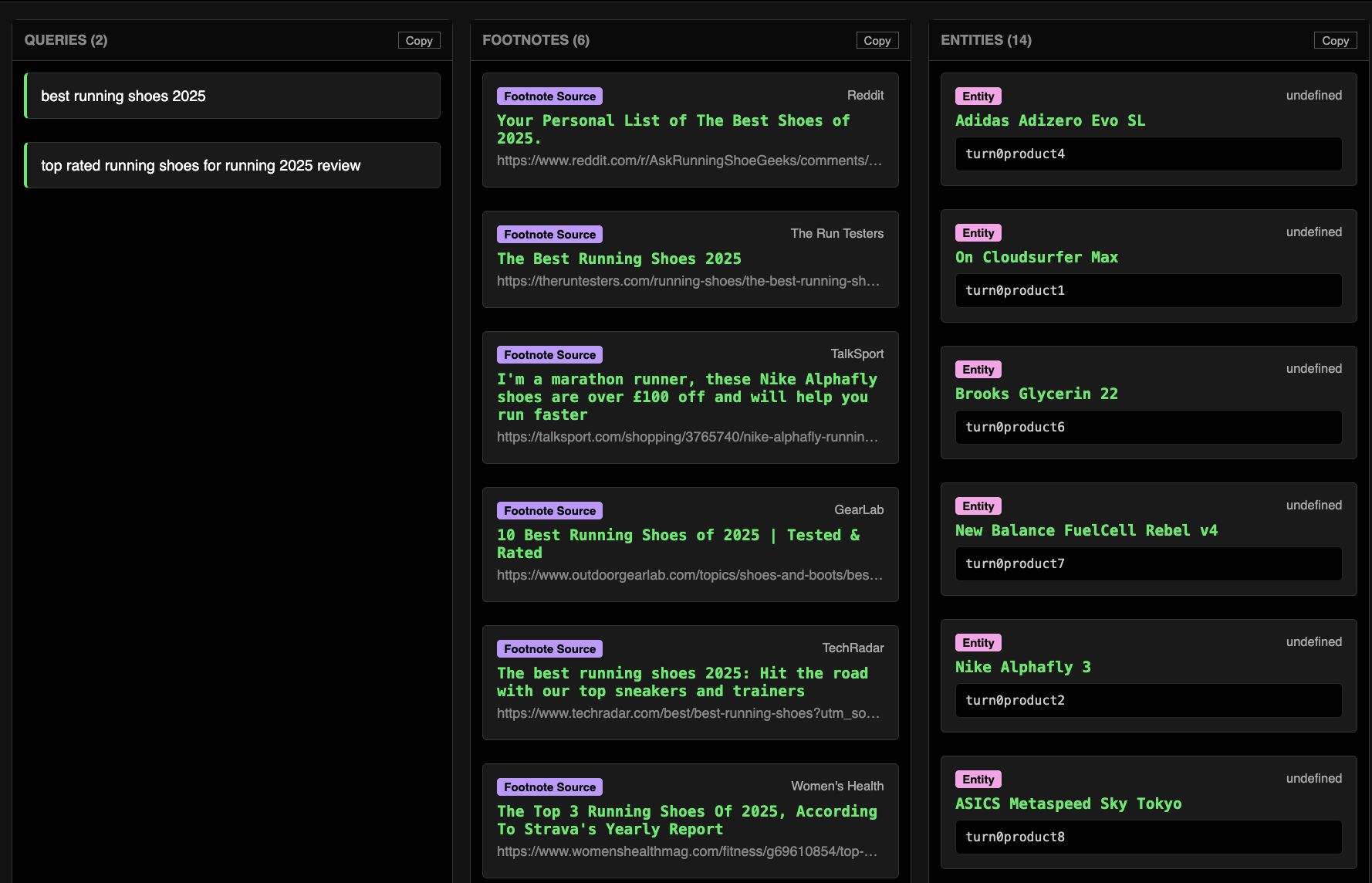
In a recent LinkedIn post, Ann Smarty highlights innovative tools designed to enhance the analysis of ChatGPT responses. As a prominent figure in the SEO and digital marketing space, Smarty frequently shares valuable insights and resources with her network, and this post focuses on specific tools that offer a detailed breakdown of AI-generated answers.
Unpacking ChatGPT’s Output with New Analytical Tools
Smarty’s post introduces two distinct tools that aim to provide a deeper understanding of how ChatGPT formulates its answers. These tools go beyond simply reading the generated text, offering structured analysis of key components within the responses. This level of detail is crucial for professionals looking to leverage AI effectively and understand its underlying processes.
“New tools pop up every other day, but these two are simply awesome (both providing a detailed overview of ChatGPT answers, but in a bit different ways):”
This introductory statement from Ann Smarty sets the stage for her recommendation, emphasizing that while new AI-related tools are abundant, these particular ones stand out for their utility in analyzing ChatGPT’s output. She points out that both tools offer a comprehensive overview, albeit with slightly different approaches.
Tool 1: ChatGPT Query Fanout Analyzer
The first tool mentioned by Smarty is the ‘ChatGPT Query Fanout Analyzer,’ developed by Jean-Christophe Chouinard. Smarty notes that this tool specifically focuses on several critical aspects of ChatGPT’s responses:
- Query fan-outs: Understanding how a single query might branch out into multiple related sub-queries or lines of thought within the AI’s response.
- Citations: Identifying and analyzing the sources or references provided by ChatGPT.
- Mentioned entities: Recognizing and cataloging the key people, places, organizations, or concepts mentioned in the answer.
As Ann Smarty explains, this bookmarklet provides a structured way to dissect these elements, offering clarity on the information architecture of an AI-generated response.
Tool 2: ChatGPT Search & Fan-outs Capture
The second tool, ‘ChatGPT Search & fan-outs capture,’ is attributed to RESONEO and highlighted by Smarty for its additional features. According to Ann Smarty, this tool offers:
“Included carousels (Product carousel, Images carousel, News carousel) Query fan-outs, Included products, Citation analysis (based on where they were mentioned in the answer, types, and number of mentions)”
Smarty emphasizes that this tool not only captures query fan-outs and provides citation analysis but also includes various types of carousels (product, image, news) and identifies included products. This suggests a more visually oriented and product-focused analysis capability compared to the first tool. She further elaborates on the citation analysis, noting its depth:
“Citation analysis (based on where they were mentioned in the answer, types, and number of mentions),” as detailed by Ann Smarty, provides a granular view of how sources are integrated and referenced within ChatGPT’s output.
Implications for AI Analysis
In her post, Ann Smarty implicitly suggests that these tools are valuable for anyone seeking to understand, verify, or improve the quality of AI-generated content. By dissecting query fan-outs, citations, and mentioned entities, users can gain a better grasp of the AI’s reasoning process and the reliability of its information. The inclusion of carousel and product analysis by the second tool points towards applications in e-commerce and content marketing where product information and presentation are key.
Ann Smarty concludes her post with a simple encouragement: “Enjoy!” This reflects her consistent effort to share practical, actionable resources with her professional community, fostering a culture of learning and adaptation in the rapidly evolving field of artificial intelligence and digital marketing.
📝 About This Content
This article is based on insights shared by Ann Smarty on LinkedIn.
📅 Originally posted on December 19, 2025 | View original post on LinkedIn →