
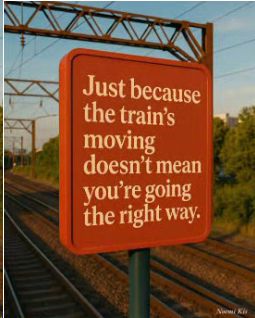
In a recent LinkedIn post, Ehsan Ali explores a common paradox faced by senior professionals: the illusion of progress through constant activity. He highlights how busy schedules and an abundance of tasks can mask a lack of true career advancement, a topic often discussed in hushed tones rather than public forums.
Ali begins by illustrating this point with an anecdote about a senior delivery manager from a prominent bank. This individual, despite a seemingly successful career, expressed a feeling of being perpetually busy without tangible progress. “I’m always busy. But I can’t tell if I’m actually progressing,” the manager reportedly told Ali. This sentiment forms the crux of Ali’s argument – that constant motion does not equate to forward movement.
“Because in senior roles, motion is unlimited: Escalations. ‘Urgent’ priorities. Dependencies. Re-orgs. Deadlines.”
Ali explains that in senior operational roles, individuals often become the ‘engine’ that keeps things running smoothly. Their reliability and constant availability make them indispensable, but this can also trap them in a cycle of reacting to immediate demands rather than proactively steering their career. As Ali points out, the company’s focus is on operational efficiency – ensuring the ‘train runs on time’ – not necessarily on whether the individual is moving towards their personal career aspirations.
The Engine vs. The Driver: Positioning Over Productivity
A key theme in Ali’s post is the distinction between being an essential operational component and being in a strategic leadership position. He argues that while being ‘always on’ and reliable is valued, it doesn’t automatically lead to greater influence or advancement. The danger, as Ali articulates, lies in becoming so indispensable to current operations that one’s own career trajectory stagnates.
The ‘Ten-Month Check’
To help professionals self-assess, Ali proposes a simple yet potent thought experiment: “If you do nothing different for the next 10 months… Do you get a seat at the leadership table… Or do you just become even more essential to delivery?” This question cuts to the heart of the issue, forcing a confrontation with the reality of one’s career path. Ali warns against the “scary part isn’t slowing down. It’s waking up 3 years later… still moving… and realising you’ve been circling the same station.”
“This isn’t a productivity issue. It’s a positioning issue.”
Ali emphasizes that this challenge is not about improving time management or productivity in the traditional sense. Instead, it’s about strategic positioning – ensuring one’s efforts and visibility align with desired long-term career goals. He notes that these are often sensitive topics that leaders typically discuss only in private, confidential settings.
Facilitating Deeper Conversations
Recognizing the need for such candid discussions, Ali mentions his initiative to bring together a select group of senior tech leaders for a private, confidential session. The goal is to unpack the complexities of visibility, positioning, and career direction in a safe environment. This move underscores Ali’s belief that addressing these ‘positioning issues’ requires more than just individual reflection; it necessitates shared insights and open dialogue among peers.
“And most senior operators don’t talk about it publicly. These are the conversations people usually have 1:1.”
By highlighting this often-overlooked aspect of career development for senior professionals, Ehsan Ali prompts a critical re-evaluation of what ‘progress’ truly means beyond the immediate demands of a busy schedule.
📝 About This Content
This article is based on insights shared by Ehsan Ali on LinkedIn.
📅 Originally posted on March 2, 2026 | View original post on LinkedIn →