
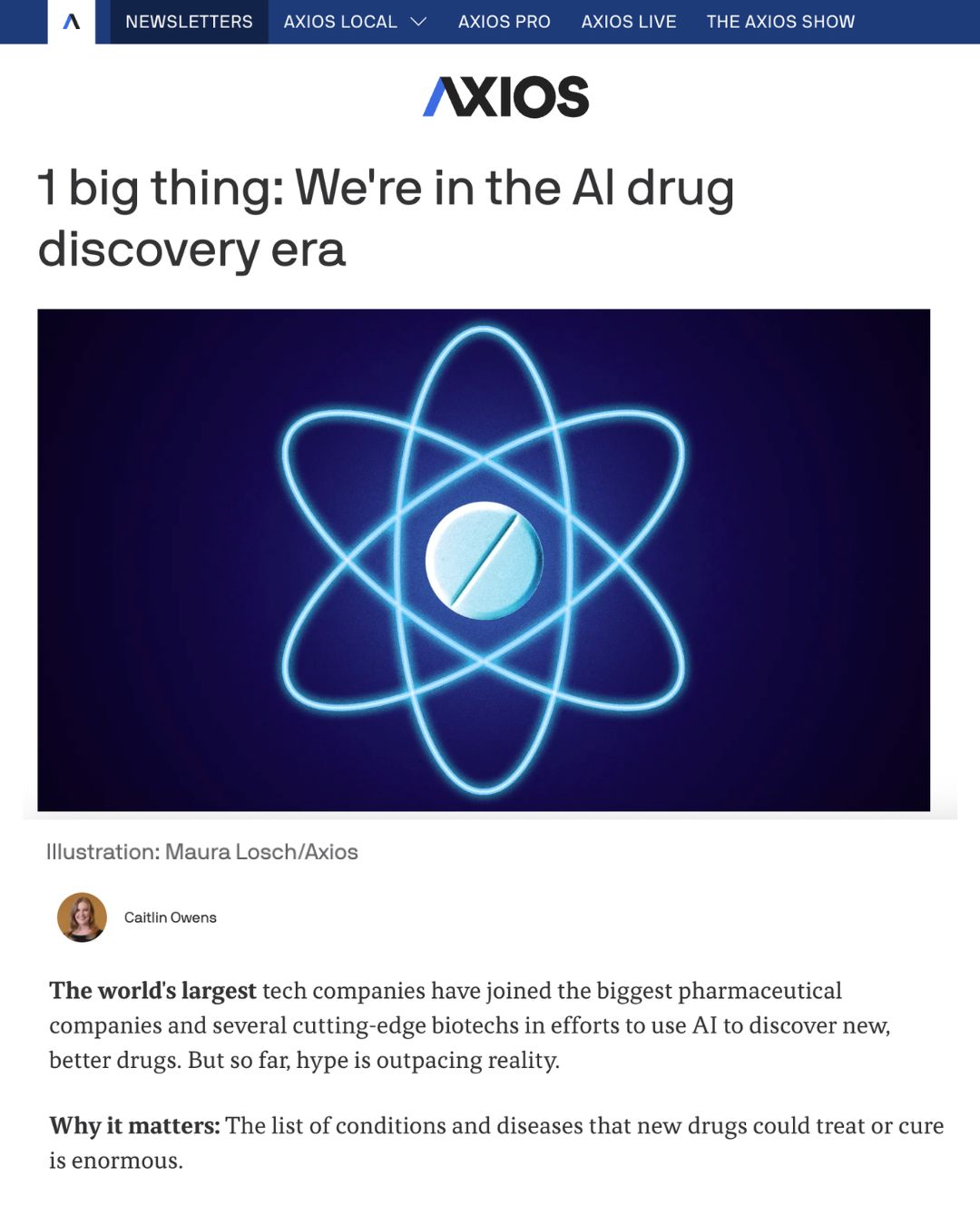
In a recent LinkedIn post, Arianna Huffington discusses the often-overlooked potential of Artificial Intelligence (AI) in driving personal behavior change for improved health outcomes, contrasting it with the more hyped applications in drug discovery.
Huffington begins by addressing the prevailing narrative around AI in healthcare, which frequently centers on its role in developing new pharmaceuticals. She references a report by Caitlin Owens in Axios, noting that the reality of AI-driven drug discovery has so far lagged behind the extensive promotion.
“so far, hype is outpacing reality.”
As Huffington points out, despite years of discussion about AI’s capacity to accelerate the drug discovery process, no AI-discovered drug has yet reached the market. She emphasizes that the inherent complexities and rigorous testing required for drug development remain significant hurdles, even with AI assistance.
Challenging the Hype in AI Drug Discovery
To further illustrate this point, Huffington cites Alex Zhavoronkov, CEO of Insilico Medicine, a company specializing in AI for drug discovery. Zhavoronkov’s perspective, shared in a piece titled “The AI drug revolution is real but the hype around it isn’t,” offers a tempered view on AI’s capabilities in this domain.
“life-saving precision medicines will arrive, but that AI won’t ‘overwrite the laws of nature and eliminate all human disease in 10 years.'”
Huffington uses this to underscore her argument that while AI’s contribution to creating new medicines is real, the inflated expectations surrounding its immediate impact are not.
Shifting Focus to AI-Powered Behavior Change
Huffington then pivots to what she considers a more immediate and impactful application of AI in healthcare: facilitating behavior change. She argues that this area is not receiving the attention it deserves, despite the well-established link between daily habits and health.
According to Huffington, AI’s unparalleled ability for hyper-personalization makes it an ideal tool for assisting individuals in forming and maintaining healthy behaviors. She highlights that these behaviors are crucial not only for disease prevention but also for enhancing the efficacy of medical treatments.
The Synergy Between Behavior and Medicine
Huffington posits that as AI-driven drugs eventually become available, their impact will be amplified when complemented by AI-driven behavior change strategies. This is because personal habits play a significant role in how effectively treatments work.
“And behavior change is available right now — with no side effects and no testing or clinical trials necessary.”
In Huffington’s view, the immediate availability and inherent safety of AI-powered behavior change tools present a compelling case for their increased adoption. She concludes by suggesting that this readily accessible AI application holds immense potential for transforming health outcomes, offering tangible benefits without the lengthy development and validation cycles associated with new drugs.
Huffington’s analysis encourages a re-evaluation of AI’s role in health, urging a greater focus on practical, present-day solutions that empower individuals to take control of their well-being.
📝 About This Content
This article is based on insights shared by Arianna Huffington on LinkedIn.
📅 Originally posted on May 5, 2026 | View original post on LinkedIn →