
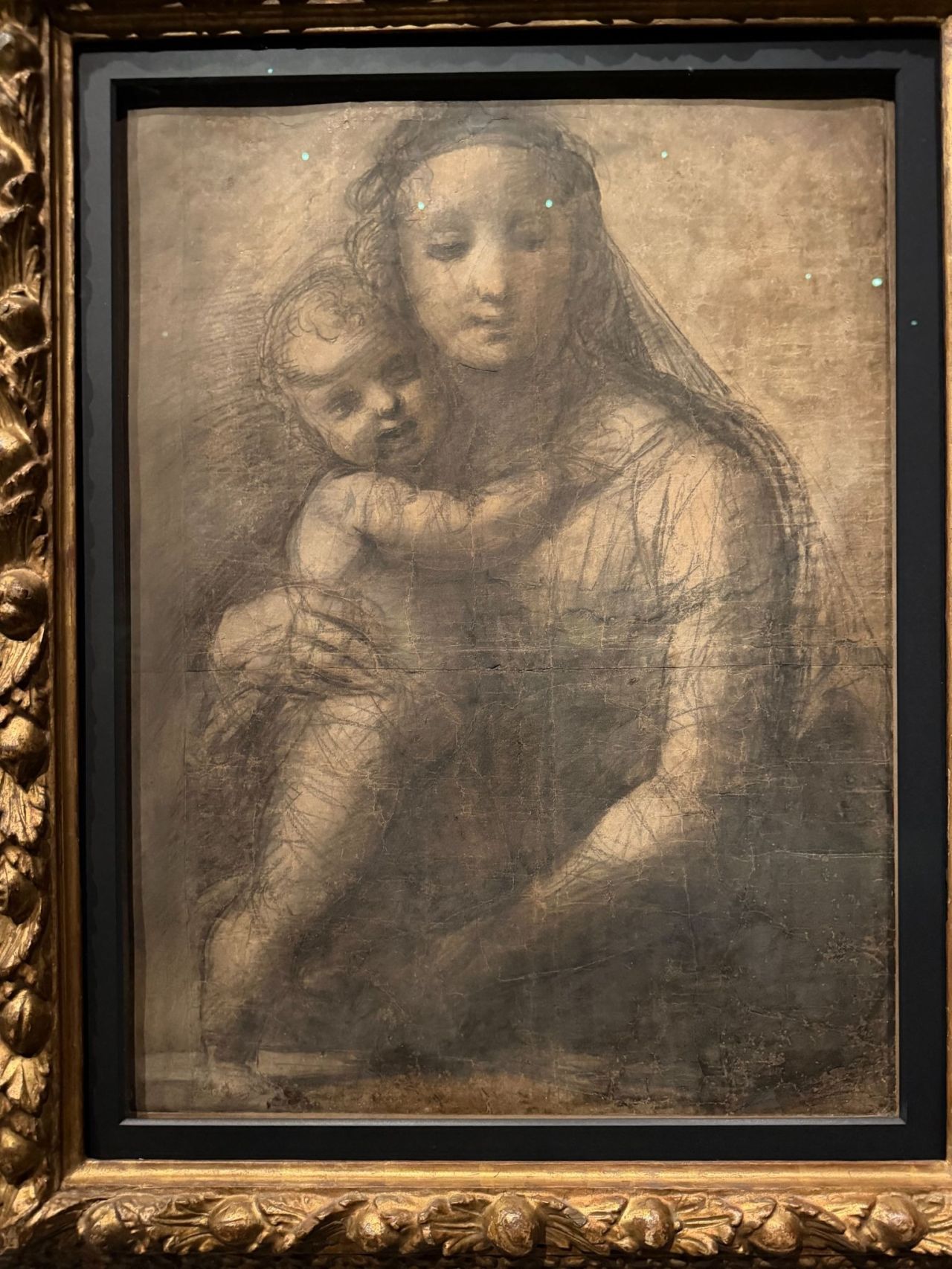
In a recent LinkedIn post, Arianna Huffington shares her experience attending a guided tour of the “Raphael: Sublime Poetry” exhibition at The Met, reflecting on the profound impact of great art. She emphasizes how such experiences can offer an escape from the superficiality of modern life and reconnect individuals with a sense of wonder and deeper humanity.
Huffington recounts the evening spent with Carmen Bambach, the exhibition’s curator, who guided the tour. She highlights the immense effort behind the exhibition, noting it was a “culmination of eight years of passion, brilliance and commitment: five dozen lenders, 140 drawings and 33 paintings.” This dedication, she suggests, is a testament to the pursuit of excellence in artistic curation.
The Enduring Power of Renaissance Art
The core of Huffington’s reflection centers on the unique ability of Raphael’s work to offer a profound contrast to the contemporary world. She quotes Jason Farago from The New York Times, who described the exhibition as “an exhibition of such sublimity and grace it is hard to square with the cold world outside.” This sentiment underscores the power of art to transport viewers to a realm of beauty and transcendence, providing solace and perspective.
Huffington draws a sharp distinction between the modern obsession with self-validation, particularly through social media, and the timeless elegance of Raphael’s portraits. She observes that Raphael’s work offers an antidote to the desperation of the “modern selfie and its desperation of ‘like me, like me, admire me!’” In contrast, Raphael’s portraits are characterized as “elegant, nonchalant and transcendent all at the same time.” This highlights a perceived shift in societal values, where authentic expression and profound artistry are overshadowed by the pursuit of fleeting online approval.
Art as a Mirror to Humanity
Beyond aesthetics, Huffington points to the deeply humanistic qualities embedded in Raphael’s art. She notes his poignant ability to capture intimate human relationships, referencing his depiction of a mother and child. This observation is further supported by a Met trustee who, during the tour, remarked, “He makes each of us more human.” This suggests that Raphael’s genius lies not only in technical mastery but also in his capacity to evoke empathy and a shared sense of humanity in his audience.
Huffington concludes by reiterating her belief in the restorative power of art. “Great art has the capacity to meet our need for wonder and awe and put our lives in a much larger perspective,” she writes. She encourages New Yorkers to experience this transformative potential firsthand, noting the exhibition’s run until June 28.
📝 About This Content
This article is based on insights shared by Arianna Huffington on LinkedIn.
📅 Originally posted on May 25, 2026 | View original post on LinkedIn →