
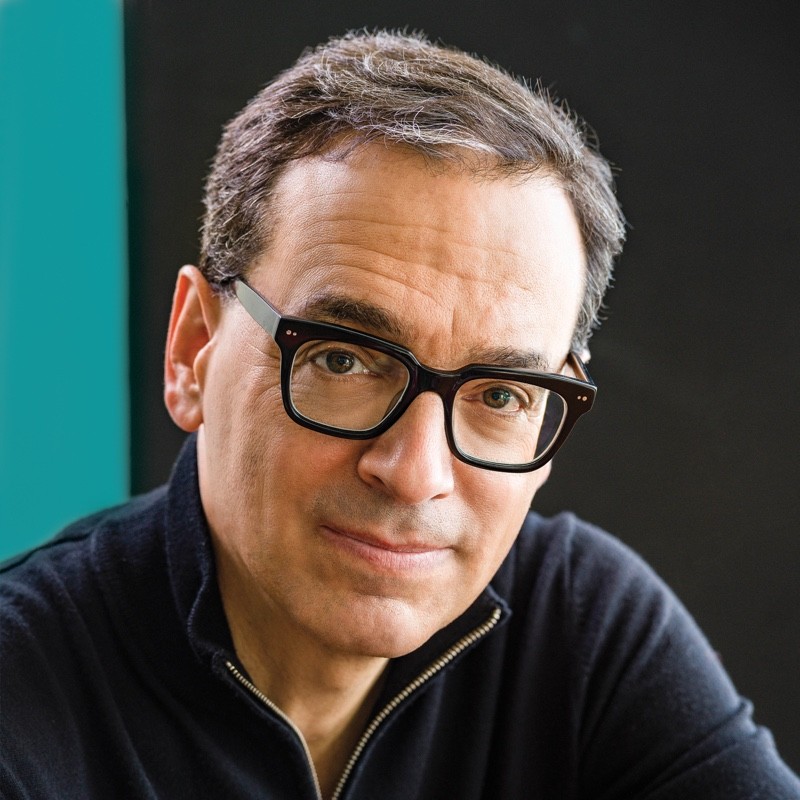
In a recent LinkedIn post, author and speaker Daniel Pink challenges conventional wisdom regarding the best format for learning, arguing that the perceived superiority of reading over listening is a myth debunked by neuroscience. Pink highlights a study by Berkeley neuroscientists that found the brain’s ‘meaning maps’ are virtually identical whether processing information through reading or listening.
As Danielpink notes:
“The brain’s meaning maps came back virtually identical. Same neurons. Same categories. Same understanding.”
This finding, Pink explains, directly contradicts the long-held belief that reading is inherently more cognitively demanding and therefore more effective for learning than audiobooks or spoken word. He points out that for years, audiobooks were often dismissed as a “cheat code” and podcasts as “empty calories.” However, the scientific evidence suggests a different reality.
The Myth of Format Superiority
Danielpink elaborates on the neurological basis for this conclusion, stating that the brain does not maintain separate storage systems for “heard” versus “read” information. Instead, both formats are translated into a common internal representation. This realization, he suggests, often leads to relief, with many feeling validated in their audiobook consumption.
However, Pink argues that this relief misses the crucial point. If the format itself is not the determining factor in learning effectiveness, then the variables that truly matter must lie elsewhere.
Identifying the Real Drivers of Learning
According to Danielpink, the focus on format has distracted from the actual mechanisms that build a robust knowledge base. He posits that the effort associated with a particular format was often mistaken for learning efficacy. “We assumed reading worked because it felt effortful. But effort isn’t retention. Format isn’t learning,” he writes.
Pink identifies two primary factors that are critical for encoding information and building knowledge:
- Attention: Undivided attention during consumption is paramount. Pink criticizes the common practice of engaging with content while simultaneously multitasking, such as checking emails during a listening session or reading while drowsy. He contrasts this with actively listening to a podcast during a walk, emphasizing that engagement is key.
- Application: Taking action with the learned material afterward is equally vital. This could involve creating a voice note, revisiting highlights, jotting down thoughts in a notebook, or attempting to teach the concepts to someone else.
Danielpink emphasizes that while the brain processes meaning identically across different formats, it only retains what is actively used. This leads to a reframing of the learning hierarchy.
A New Hierarchy for Effective Learning
Pink proposes that the traditional comparison of reading versus listening is the wrong debate. The true hierarchy, in his view, is not based on the medium but on the engagement and subsequent application of the knowledge.
“So the real hierarchy isn’t: reading > listening. It’s: engaged + applied > everything else”
He asserts that any form of learning that involves focused attention and active application will be more effective than distracted consumption, regardless of the format. This perspective shifts the emphasis from choosing the ‘best’ medium to cultivating the ‘best’ habits around consuming and utilizing information.
To that end, Danielpink encourages individuals to ask themselves two critical questions before engaging with any learning material:
- Am I actually giving this my undivided attention?
- What am I going to do with it by end of week?
In conclusion, Danielpink’s analysis, as shared on LinkedIn, suggests that the effectiveness of learning hinges not on whether one reads a book or listens to it, but on the quality of attention paid and the commitment to applying the acquired knowledge. “Format was never the lever. Attention and application always were,” he states.
📝 About This Content
This article is based on insights shared by Danielpink on LinkedIn.
📅 Originally posted on June 15, 2026 | View original post on LinkedIn →