
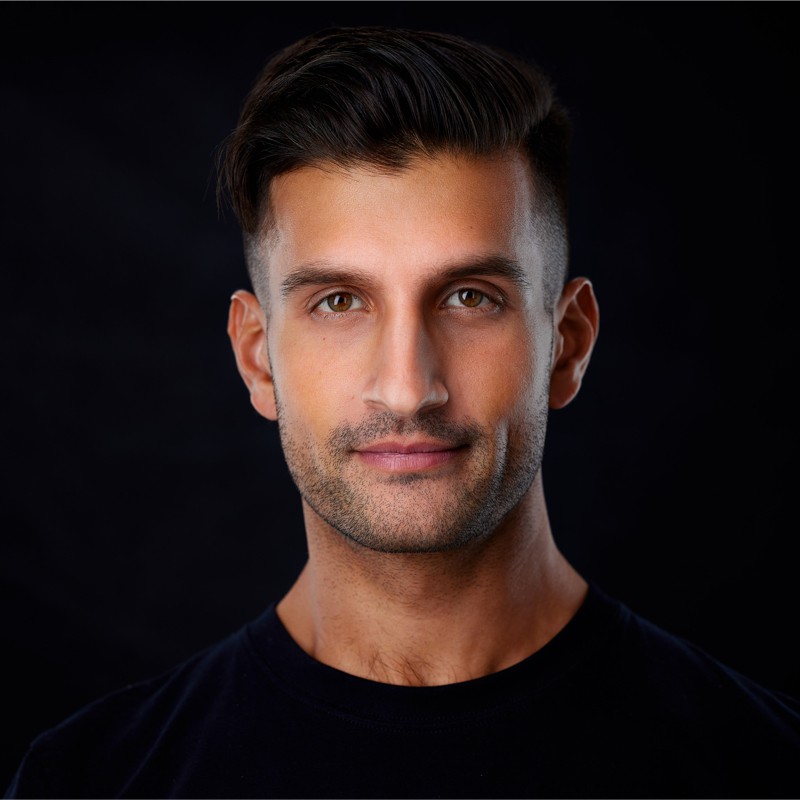
In a recent LinkedIn post, Sahil Bloom discusses a powerful exercise for self-reflection and life planning, centered on identifying and avoiding future regrets. Bloom, author of the NYT bestselling book ‘The 5 Types of Wealth,’ encourages his audience to proactively consider what they might regret on their deathbed and to design their lives accordingly. He frames this as a critical step towards making more intentional and fulfilling life choices.
Bloom introduces the concept by posing a series of introspective questions designed to guide individuals through this process. He shares the core of his exercise, stating:
“I made a list of things I know I’d regret on my deathbed. Everyone should do this.”
This opening statement immediately sets a serious and reflective tone, urging readers to confront their mortality and the potential for unfulfilled aspirations. Bloom emphasizes that this is not merely a passive thought experiment but a call to action, designed to provoke tangible changes in one’s current trajectory.
The Regret Avoidance Framework
The foundation of Bloom’s advice lies in a structured approach to identifying potential regrets. He outlines a clear set of questions for individuals to ask themselves:
- What are the things you know you’d regret on your deathbed?
- If you continue on your current path, will you have those regrets?
- If so, what changes need to be made to avoid them?
- How can you design your life to avoid those regrets?
As Sahil Bloom notes, these questions are intended to bridge the gap between present actions and future outcomes. By confronting the possibility of regret, individuals are prompted to critically evaluate their current path and identify necessary adjustments. This framework, according to Bloom, is key to intentional living.
Designing a Life Free from Regret
Beyond merely identifying potential regrets, Bloom stresses the importance of actively designing one’s life to mitigate them. He suggests that once potential regrets are uncovered and the necessary changes are identified, the next step is to architect a life that inherently avoids these pitfalls. This involves strategic planning and conscious decision-making across various life domains.
Bloom also highlights the value of communal reflection in this process. While the initial exercise is recommended to be done individually, he suggests bringing loved ones together to discuss the learnings. As Sahil Bloom points out:
“I recommend doing the exercise by yourself, but then coming together with a group of loved ones to discuss and reflect on your learnings.”
This collaborative element, in Bloom’s view, can provide different perspectives, offer support, and deepen the commitment to making life-altering changes. It transforms a personal exercise into a shared journey towards a more fulfilling existence.
Expert Endorsement and Availability
The insights shared by Sahil Bloom in this post are directly linked to his broader work, particularly his book, ‘The 5 Types of Wealth.’ The post mentions the book’s critical reception, including a notable endorsement from Andrew Huberman, who described it as “an important clarifying force in anyone’s search to make the best possible choices for their life.” This highlights the practical and philosophical underpinnings of Bloom’s approach to life design and regret avoidance.
Bloom concludes his post by informing his audience that ‘The 5 Types of Wealth’ is currently available at a significant discount, indicating a promotional aspect tied to his thought leadership. The emphasis remains on the value of the exercise and the book’s potential to guide individuals in making better life choices, aligning with the core message of avoiding deathbed regrets.
📝 About This Content
This article is based on insights shared by Sahil Bloom on LinkedIn.
📅 Originally posted on November 7, 2025 | View original post on LinkedIn →