
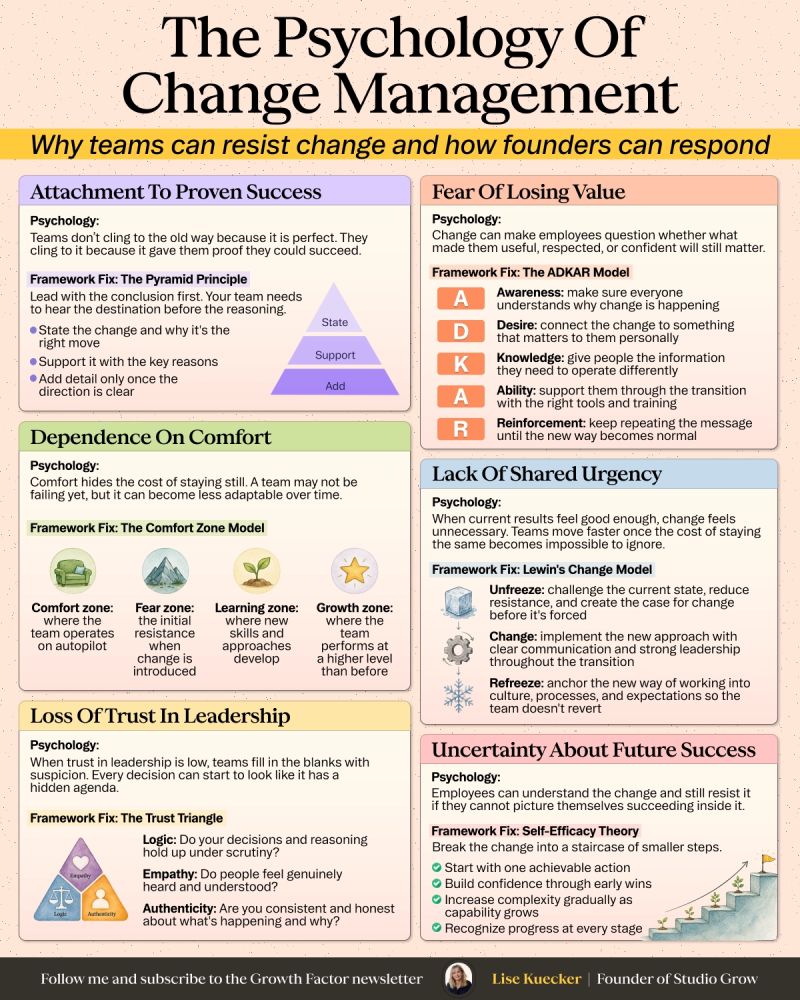
In a recent LinkedIn post, Lisakuecker discusses a prevalent and potentially detrimental mindset that can hinder business growth: the belief that nothing needs fixing, even when a company is performing well. Drawing a parallel to the film “Groundhog Day,” Lisakuecker explains that a business can get stuck in a loop of its current successes if proactive improvements are neglected.
Lisakuecker shares her own company’s experience, noting that while growth is strong and projections are being met, the temptation to maintain the status quo exists. However, she emphasizes a proactive approach to improvement, even when not facing immediate crises. This perspective, Lisakuecker points out, often leads to conversations with her team about the necessity of change, even when things appear to be functioning smoothly.
“There’s a dangerous mindset when scaling a business: ‘I don’t need to fix anything.'”
Navigating Team Resistance to Change
The business leader highlights that introducing change, particularly when current conditions are favorable, can naturally encounter resistance. Lisakuecker has been actively engaged in discussions with her team to articulate the reasons behind these necessary shifts. She identifies six key reasons why team members might voice concerns or push back against proposed changes, offering insights for other leaders facing similar situations.
Understanding Team Hesitations
According to Lisakuecker, the reasons for resistance often stem from deeply ingrained psychological factors and past experiences. She breaks down these common team concerns:
- Attachment To Proven Success: Teams may cling to familiar methods because they have a track record of delivering results. Lisakuecker’s advice here is to focus on the future benefits and the desired outcome, rather than dwelling on past achievements.
- Fear Of Losing Value: Change can make individuals anxious about their role and the skills that made them valuable. Lisakuecker suggests connecting the proposed changes to personal benefits and values for the team members.
- Dependence On Comfort: While not actively failing, a team accustomed to comfort can become less adaptable over time. The fix, as Lisakuecker proposes, is to guide individuals from their comfort zones towards growth without letting fear paralyze progress.
“When current results feel good enough, change seems unnecessary.”
The Importance of Shared Urgency and Trust
Lisakuecker further elaborates on the challenges of implementing change, particularly when a sense of urgency is not universally felt within the team, and when trust in leadership is low.
Addressing Urgency and Trust Deficits
She points out that if current performance is satisfactory, the perceived need for change diminishes. Lisakuecker advocates for building a compelling case for change before a crisis makes it unavoidable. Furthermore, she addresses the critical issue of trust:
- Loss Of Trust In Leadership: When trust is eroded, team members are prone to suspicion. Lisakuecker stresses the importance of demonstrating logic, empathy, and consistency to rebuild or maintain trust.
- Uncertainty About Future Success: Even when a team understands the rationale for change, they may still worry about the eventual outcome. Lisakuecker’s recommended solution is to break down the change into smaller, manageable steps and celebrate early successes to build confidence.
“Show up with logic, empathy, and consistency in equal measure.”
Lisakuecker concludes her post by encouraging business leaders to save the information for future reference and invites engagement by asking about their own experiences leading teams through change. She also subtly promotes her further content for those interested in team leadership and business growth.
📝 About This Content
This article is based on insights shared by Lisakuecker on LinkedIn.
📅 Originally posted on May 26, 2026 | View original post on LinkedIn →