
The world of Sales Development Representation (SDR) is often misunderstood, with many organizations mistakenly believing that success lies solely in increasing activity volume. However, Ryan Reisert, a prominent voice in sales strategy, argues that the true bottleneck isn’t a lack of effort, but a misallocation of resources and a failure to prioritize the right channels. SDR is far from dead; rather, it’s the outdated methods and a focus on “more activity” over “better activity” that are failing businesses.
Many companies are attempting to solve the critical challenge of generating meaningful conversations through two flawed approaches: Omni-channel overload and Parallel dial madness. Omni-channel overload involves bombarding prospects with a high volume of touches across phone, email, and social media. While this creates a sense of busyness, it often results in a disappointingly low number of actual conversations – typically only one to two per day. On the other hand, parallel dial madness focuses on sheer dial volume, with reps making 500-1,000 dials daily to eke out 10-12 conversations. This aggressive approach quickly depletes the Total Addressable Market (TAM) and leads to significant burnout.
The Core Issue: Channel Priority, Not Activity Volume
Reisert emphasizes that the fundamental problem is not an issue of activity volume, but a critical failure in channel prioritization. Sales Development Representatives often spend an alarming 80-90% of their time engaging with prospects who are highly unlikely to ever answer, reply, or engage through any channel. This represents a massive inefficiency, diverting valuable resources away from potential opportunities.
Shifting the Paradigm: Knowing Who to Call
The critical question becomes: What if your team possessed the intelligence to identify prospects who are genuinely likely to answer their phone before a single dial is made? Imagine a system that intelligently manages this process, identifying not only the right prospects but also ensuring that reps are empowered to make the most impactful calls. This is the core offering of organizations like Outbound Operators, as highlighted by Reisert.
The Outbound Operators Approach
Outbound Operators focuses on building a robust system that identifies reachable prospects, provides skilled SDRs, and ensures real-time visibility and control. This allows for agile adjustments to Go-To-Market (GTM) strategies, ultimately driving market dominance. Their methodology prioritizes quality over quantity, ensuring that sales efforts are concentrated on prospects who are likely to engage.
The Impact: From Low Conversations to High Engagement
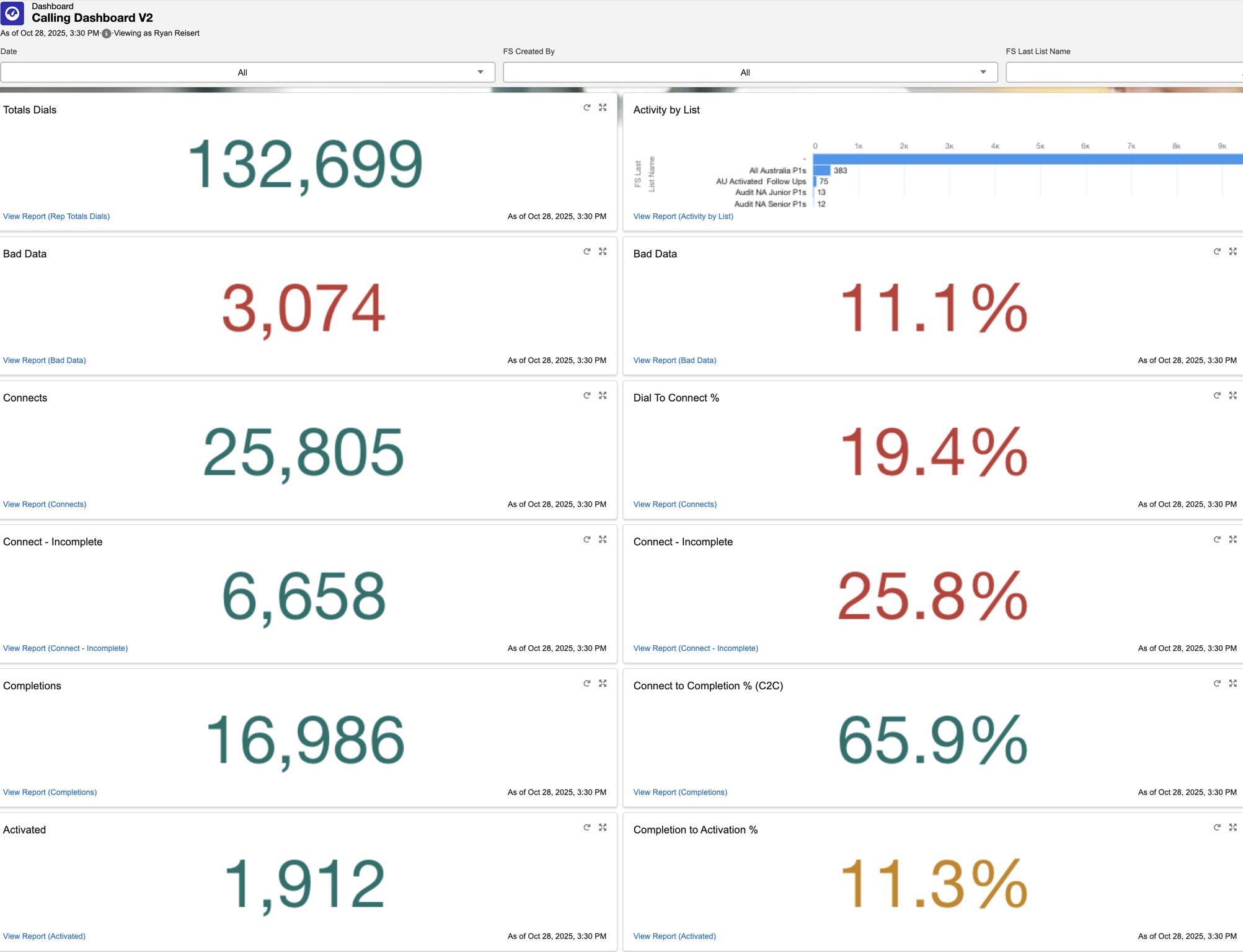
By shifting from a volume-based approach to a strategically prioritized one, the results are transformative. Instead of the typical 1-2 conversations from 50 dials, clients utilizing this focused strategy are averaging 8-12 meaningful conversations. This significant increase in engagement directly translates into a healthier pipeline, which in turn fuels revenue growth. As Reisert succinctly puts it, “Conversations drive pipeline. Pipeline drives revenue. Everything else is noise.”
This strategic re-evaluation of SDR effectiveness moves beyond vanity metrics of activity and focuses on the true drivers of sales success: meaningful engagement and pipeline generation. By understanding and implementing channel priority, businesses can unlock a more efficient and effective sales development process.
📝 About This Content
This article is based on insights shared by Ryan Reisert on LinkedIn.
📅 Originally posted on October 28, 2025 | View original post on LinkedIn →