
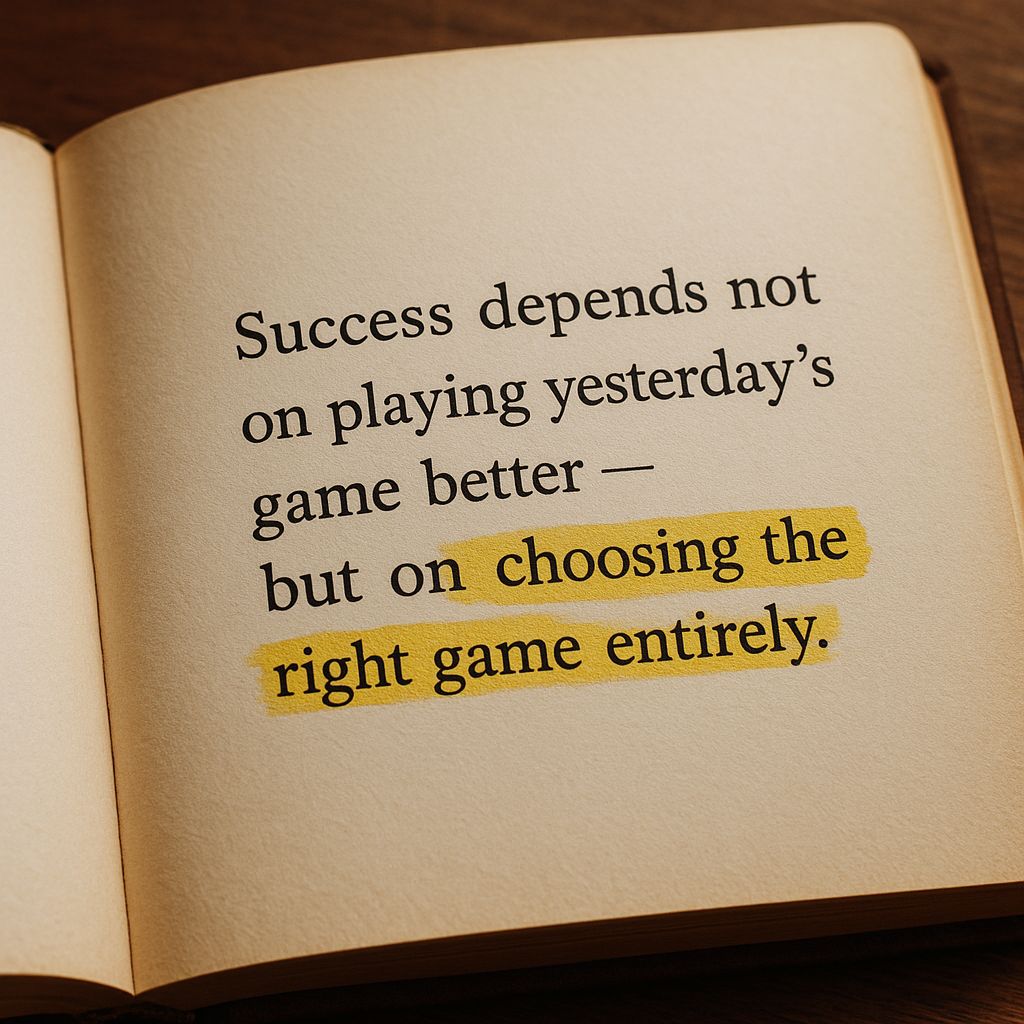
In a recent LinkedIn post, Liz Bradford explores the profound impact of artificial intelligence on the future of careers, arguing that the critical shift goes beyond mere automation to encompass coordination. Bradford challenges the common focus on which jobs AI will automate, instead highlighting a more fundamental change driven by AI’s capacity to manage complex systems.
Bradford introduces the concept of the “intelligence distraction,” a term she uses to describe the tendency to evaluate AI based on its human-like qualities rather than its actual capabilities. She emphasizes that this is a misdirection, pulling focus from AI’s true potential.
“AI’s real power lies not in automating individual tasks but in coordinating entire systems.”
This perspective is further illustrated by an anecdote Bradford shares from a Chief Operating Officer. The COO, despite mastering various tools, expressed a profound uncertainty about their role. Bradford interprets this not as a skills deficit, but as a “purpose gap.” She explains that in a world where answers are readily available and execution is increasingly automated, the value of human contribution shifts.
The Evolving Landscape of Work
Bradford outlines a future where traditional job descriptions become fluid, and the scarcity of human value moves towards areas requiring human-specific capabilities. As she notes, “In a world where: Answers become cheap, Execution becomes automated, Roles become fluid, Human scarcity shifts to clarity, judgment, emotional regulation and relational leadership.”
According to Bradford, the advantage in this new era will not stem from technical tool proficiency. Instead, she suggests that success will be defined by the ability to:
- Navigate and coordinate complex systems, rather than just optimize individual tasks.
- Understand how to work across various roles, tools, and teams, moving beyond solitary execution.
- Possess clarity on the underlying purpose of one’s work, not just the tasks involved.
This shift necessitates a strengthening of human identity as AI accelerates systems. Bradford argues that as workflows become automated, leadership must become more relational, and as careers become fluid, purpose becomes paramount.
“When answers become cheap, asking the right question is the new scarcity.”
A Framework for Navigating Change
To help professionals adapt to these impending changes, Liz Bradford proposes a three-step framework: Regulate, Realign, and Re-design.
Regulate Your Mindset
This initial step involves managing one’s mindset, energy, and nervous system to avoid burnout amidst constant change. Bradford cautions against becoming a “good-manager burnt out by constant change.”
Realign Your Work
The second step encourages professionals to connect their work with the broader strategic systems they aim to serve, moving beyond the confines of a traditional job description. This involves understanding how one’s contributions fit into the larger organizational or systemic picture.
Re-design Your Life
The final step is about proactive life design. Bradford urges individuals to intentionally shape their lives and careers before external changes dictate their path. This emphasizes personal agency in the face of technological and professional evolution.
Bradford concludes by posing a critical question for the coming years: “What system will you help coordinate, and what purpose will anchor you through that shift?” She frames this as a call to action for individuals to prepare for the evolving demands of the future workforce and to step into the roles that will define the next decade of impact.
📝 About This Content
This article is based on insights shared by Liz Bradford on LinkedIn.
📅 Originally posted on November 23, 2025 | View original post on LinkedIn →