
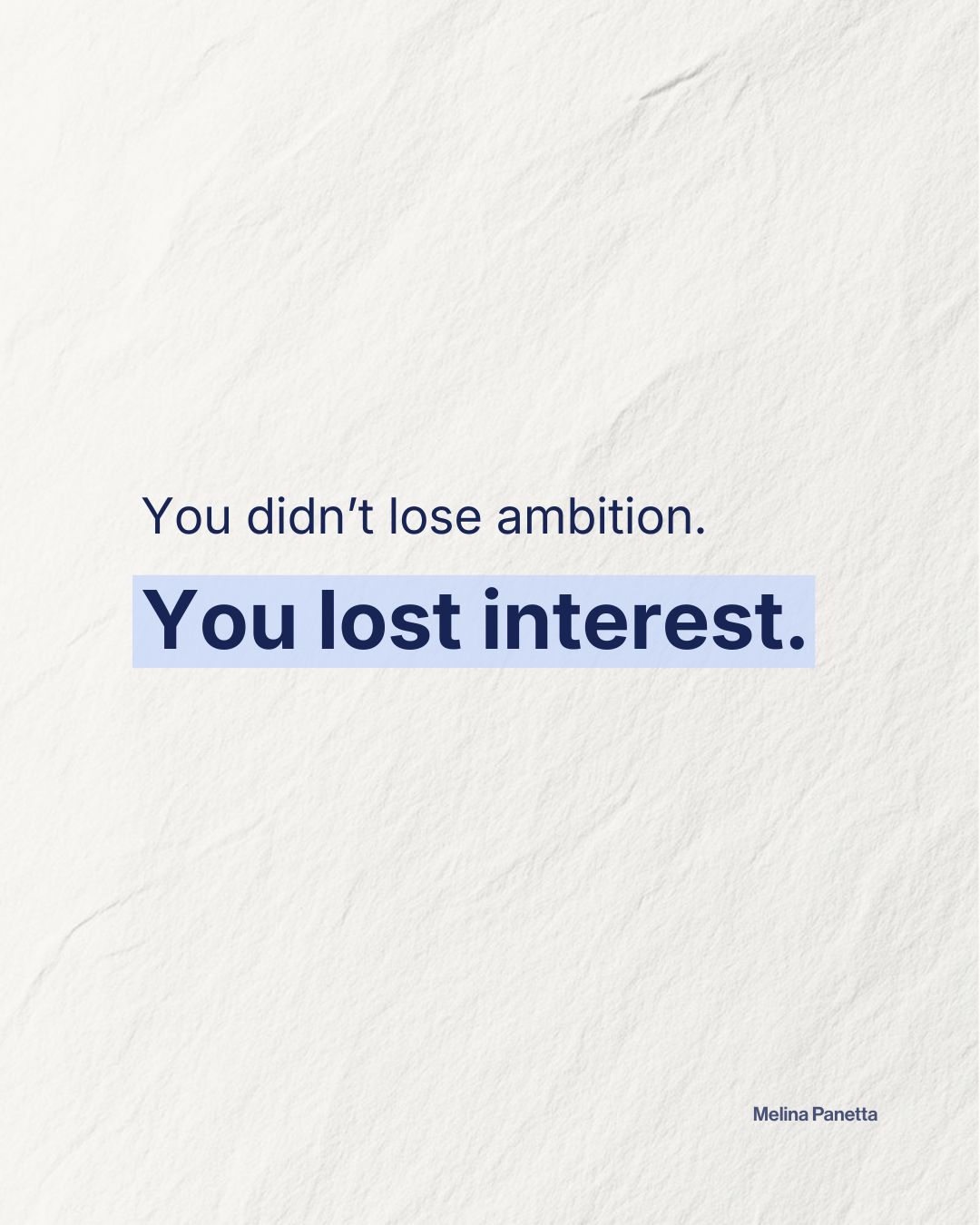
In a recent LinkedIn post, Melina Panetta offers a compelling perspective on workplace fatigue, suggesting that the exhaustion many professionals feel isn’t from the work itself, but from the act of ‘pretending to still care.’ Panetta, a recognized voice in career development, challenges the conventional narrative of burnout and instead proposes that individuals may have already achieved their initial career goals and are now merely going through the motions.
Panetta highlights a common internal disconnect, stating:
“You’re not tired from working. You’re tired from pretending you still care.”
This sentiment, according to Panetta, stems from a point where traditional markers of success—such as title, team advancement, bonuses, or equity—no longer provide the intended motivation. What once represented aspirational goals can, over time, become routine, leading to a sense of disillusionment. Panetta elaborates on this shift, noting how the initial drivers of ambition can fade:
“Ten years ago, this was the goal. Now it’s just Tuesday.”
The Disconnect Between Effort and Engagement
Melina Panetta argues that many professionals find themselves in a state of emotional detachment from their roles, even when outwardly performing well. This detachment, she posits, is the true source of fatigue. Panetta shares a personal anecdote about attending a leadership meeting focused on growth targets, during which she questioned her own engagement and care for the objectives.
Panetta identifies several common behaviors that signal this underlying lack of genuine interest, including:
- Nodding through meetings with a sense of apathy.
- Viewing bonus notifications as mere triggers to leave rather than rewards.
- Pushing teams toward goals the individual doesn’t personally endorse.
- Stating they are “busy” when they feel a sense of completion or disengagement.
- Developing roadmaps they secretly hope will be abandoned.
As Panetta points out, the issue isn’t necessarily a dislike for the job itself, but rather a feeling of having already gained what the role was initially designed to provide: status, security, and validation. The continued participation in what she terms ‘the game’ becomes the draining factor, not the workload.
“You don’t hate your job. You’ve already have what it was built to give you. Status. Security. Proof. And you’re still playing the game. That’s what’s draining you. Not the hours. The pretending.”
Finding Leverage Beyond Resignation
Critically, Melina Panetta asserts that this realization does not necessitate a drastic career change or resignation. Instead, she advocates for a strategic approach to reclaim purpose and energy. Panetta suggests that individuals can leverage their current position to build something new without the drama of a sudden exit.
Auditing for Energy and Expertise
Panetta’s proposed solution involves a proactive self-assessment. She advises professionals to:
- Audit their week: Identify the 20% of activities that genuinely energize them.
- Identify their unique value: Recognize what people consistently seek their expertise for.
- Develop an advisory offer: Translate this expertise into a small, potentially paid, advisory service.
This process, undertaken while still employed, can create ‘leverage’ and significantly shape future career trajectories. Panetta emphasizes that this is about building a new foundation rather than making a dramatic departure.
“Six months of building a small advisory offer can change the next five years. You don’t need a dramatic exit. You need leverage.”
By shifting focus from the draining aspects of ‘playing the game’ to cultivating energizing activities and external validation, professionals can rediscover their drive and build a more fulfilling path forward, according to Panetta’s insights.
📝 About This Content
This article is based on insights shared by Melina Panetta on LinkedIn.
📅 Originally posted on February 13, 2026 | View original post on LinkedIn →