
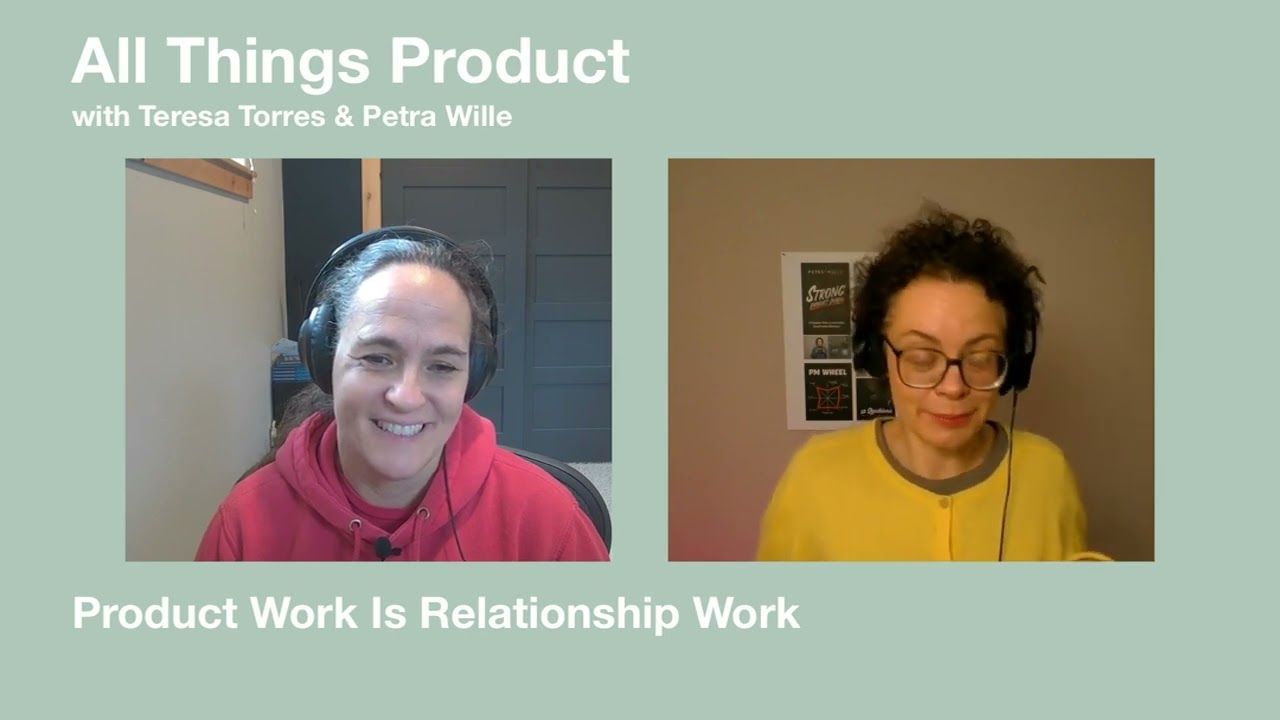
In a recent LinkedIn post, Teresa Torres, co-host of the “All Things Product” podcast, delves into the evolving role of product managers in an era increasingly shaped by AI. Addressing the question of whether AI makes product managers obsolete, Torres and her co-host Petra Wille argue that the core, human-centric aspects of product management are more critical than ever.
Torres highlights that while AI can accelerate idea generation and product development, it cannot replicate the essential ‘relationship work’ that defines successful product management. This involves navigating complex stakeholder dynamics, harmonizing competing priorities, and fostering a unified understanding across diverse teams.
“As AI makes it easier than ever to generate ideas and build products, some people are asking: Do we still need product managers?”
The post posits that many product teams tend to operate in a purely transactional manner, focusing solely on deliverables. However, Torres emphasizes that this approach overlooks the long-term benefits of investing in relationships. According to Torres, genuine collaboration stems from understanding and fostering connections, which ultimately enables teams to move more efficiently and effectively.
The Perils of Transactional Collaboration
Torres points out that a transactional approach, where interactions are solely focused on tasks and outcomes, can lead to breakdowns in communication and alignment. This often results in teams working in silos, with limited shared understanding of the product vision or strategic goals.
The Role of Curiosity in Product Success
Central to Torres’s argument is the cultivation of curiosity as a vital skill for product managers. Curiosity, as explained in the post, moves beyond simply advocating for one’s own perspective. It involves actively exploring and understanding the viewpoints of others, which is crucial for effective stakeholder alignment.
“The real work of product management isn’t going away anytime soon. While AI can help build things faster, it can’t replace the relationship work required to align stakeholders, navigate competing priorities, and create shared understanding across teams.”
Torres suggests that embracing a mindset akin to improvisational theater’s “yes, and…” can transform team conversations. This approach encourages building upon others’ ideas rather than shutting them down, fostering a more collaborative and innovative environment. This method, she argues, is key to overcoming the ‘politics’ that can often slow down product development.
Stakeholder Alignment: A Relational Challenge
The discussion underscores that achieving effective stakeholder alignment is not merely a matter of process but a deeply relational endeavor. Torres argues that understanding and managing these relationships is paramount to mitigating conflicts and ensuring that product development efforts are aligned with broader business objectives.
“If stakeholder alignment, team dynamics, or product ‘politics’ slow your team down, this conversation offers a practical reframe.”
By reframing product management as fundamentally relationship work, Torres suggests that teams can unlock greater efficiency and achieve better outcomes. This perspective challenges the notion that AI will replace product managers, instead positioning them as essential facilitators of human connection and understanding within the product development lifecycle.
📝 About This Content
This article is based on insights shared by Teresa Torres on LinkedIn.
📅 Originally posted on April 14, 2026 | View original post on LinkedIn →