
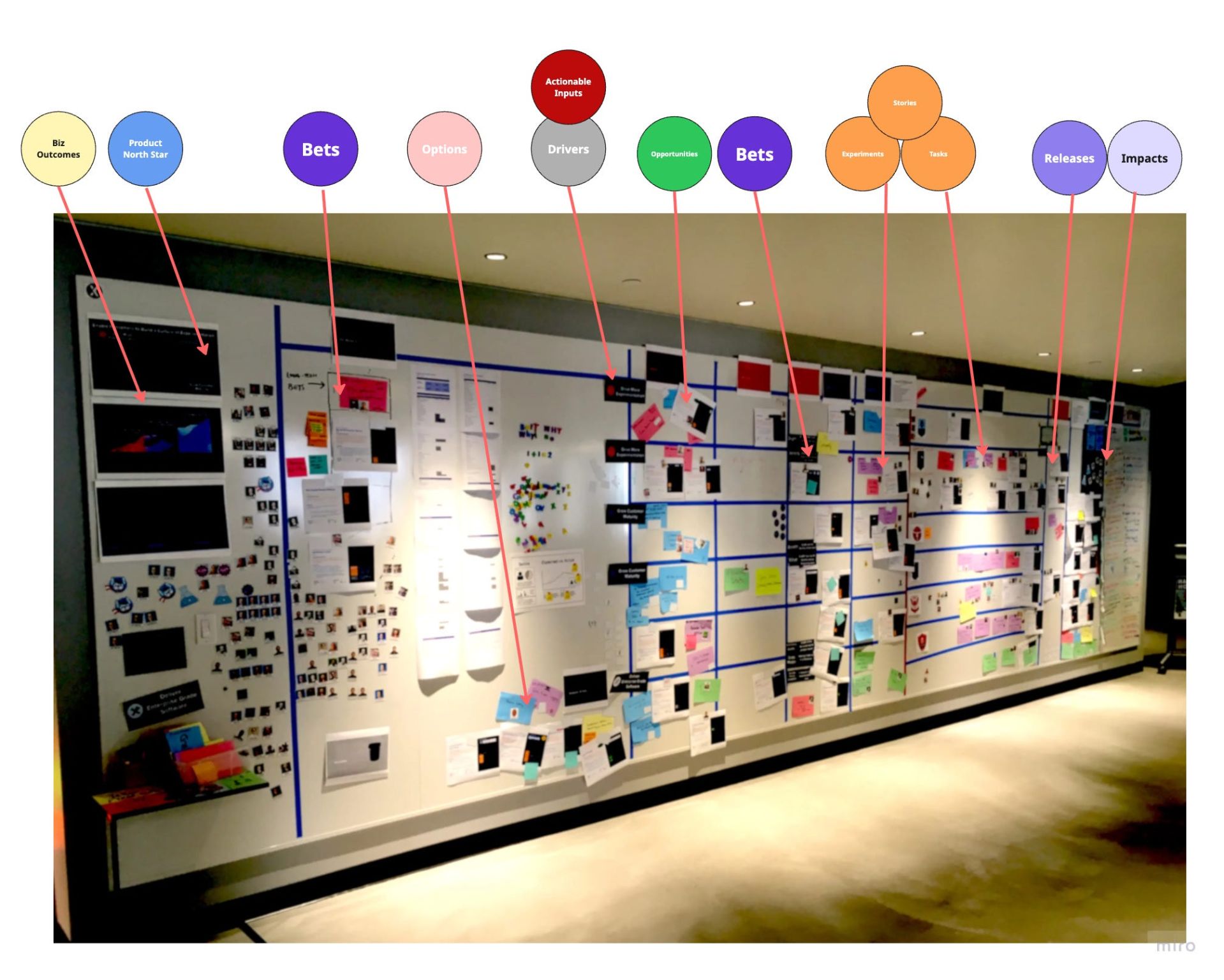
In the complex world of product development, the temptation is often to immediately focus on codifying processes and standardizing workflows. However, John Cutler, a keen observer of organizational dynamics, argues for a different starting point: rituals, behaviors, and interactions. Before we worry about what to operationalize, we should ask if the right people can interact effectively at the right times, in the right ways, with the necessary information at their fingertips.
The Art of Selective Centralization and Temporary Scaffolding
Cutler advises a highly selective approach to centralization. Not everything needs to be standardized across the board. Instead, focus on areas where consistency truly adds value. Simultaneously, acknowledge that sometimes temporary structures – scaffolding – are necessary to bring order and control. Crucially, this scaffolding must be communicated as temporary to the team. This approach contrasts with organizations that suffer from perpetual chaos, hesitant to implement even minimal centralization for fear of stifling autonomy.
Embracing Fractal Structures for Shared Language
A powerful concept Cutler introduces is the use of fractal structures. These are organizational patterns that repeat at different levels, such as using terms like “bet,” “opportunity,” or “option” across various teams. This creates a shared language that fosters understanding without imposing rigid uniformity. Fractal structures recognize and respect the inherently nested and networked nature of real organizational work, allowing for flexibility while maintaining coherence.
Crafting Roadmaps with the Audience in Mind
When developing high-level roadmaps, Cutler emphasizes that the audience should be the primary consideration. It’s unrealistic and often counterproductive to attempt to connect every single dot or force every initiative into a single, monolithic “object” that satisfies all needs. The goal is to communicate direction and strategic intent effectively to the intended audience, not to create an exhaustive, one-size-fits-all blueprint.
Navigating the Emotional Landscape of Visualization
Efforts to visualize work and processes across teams can surprisingly trigger a threat response. While seemingly logical, attempts to make everything transparent can surface deep-seated emotions and hidden agendas. When individuals feel exposed or scrutinized, their natural defenses can emerge, hindering collaboration rather than fostering it.
Understanding the Nuances of Knowledge Work Workflows
Cutler points out that while there might be common underlying principles in knowledge work – perhaps a flow from insights to bets, then to work, release, and impact – this doesn’t necessitate a uniform workflow for all activities. Different types of work may require different processes and involve different stakeholders. Forcing everything through the same pipeline can be inefficient and ineffective.
Resisting the Cascade Mental Model
The popular mental model of a cascade, where work flows linearly from one stage to the next, often breaks down when the realities of causality, feedback loops, and emergent outcomes are considered. Cutler urges us to resist this oversimplified view, acknowledging the dynamic and iterative nature of product development.
Product Work is Not Factory Work
Ultimately, Cutler’s core message is a call to abandon outdated industrial metaphors. Product work is fundamentally different from factory work. It is creative, adaptive, and deeply human. By focusing on the right interactions, embracing flexible structures, and understanding the human element, organizations can build more effective and resilient product development capabilities. For more insights, refer to John Cutler’s original post: https://lnkd.in/giZ5vveB
📝 About This Content
This article is based on insights shared by John Cutler on LinkedIn.
📅 Originally posted on October 31, 2025 | View original post on LinkedIn →