
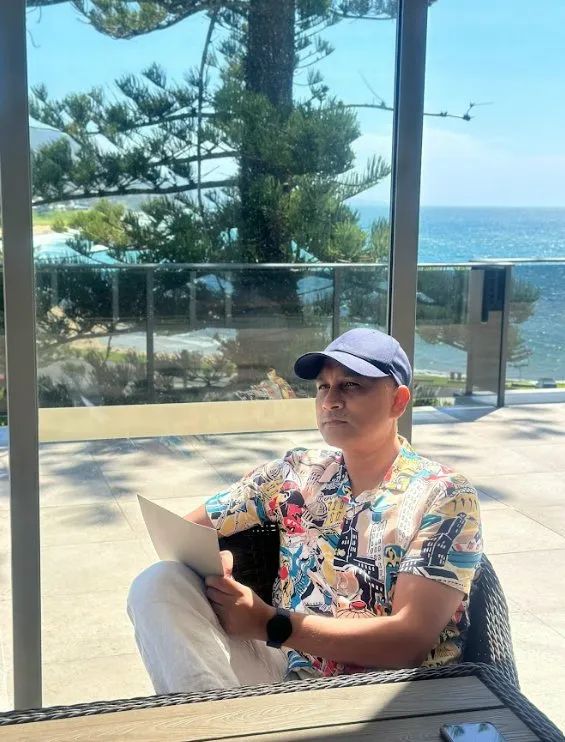
In a recent LinkedIn post, Ehsan Ali discusses the persistent challenges senior IT professionals face in advancing their careers, even when they feel capable of more. Ali, who has engaged in over 2,000 one-on-one conversations with individuals in roles such as Principal Engineers, Solution Architects, and Engineering Managers, highlights a common sentiment among these professionals: a feeling of being undervalued and overlooked for opportunities that match their true potential.
“I am capable of more. I have more experience than what I am doing right now. When recruiters reach out, it’s always for roles I’ve already done. In some cases, seven years ago.”
Ali acknowledges the reality of discrimination in the job market, stating, “I’m not going to tell you discrimination doesn’t exist. It does.” He emphasizes that the data and the lived experiences of countless individuals he has spoken with confirm its presence. However, Ali’s analysis goes deeper, pointing to a crucial factor that differentiates those who successfully break through career plateaus from those who remain stagnant, even when sharing similar backgrounds, genders, or ethnicities.
The Power of Positioning
According to Ehsan Ali, the key differentiator for professionals who achieve career advancement lies not in their qualifications, citizenship, or even their resume, but in how they present themselves to the market. Ali argues that many professionals are inadvertently hindering their own progress by failing to effectively communicate their current capabilities and future potential.
Redefining the LinkedIn Profile and Resume
Ali points out that current professional profiles and resumes often fall short. Instead of showcasing what a professional is capable of achieving next, they tend to describe past accomplishments. This can lead to recruiters seeing candidates as suited only for roles they have already performed, sometimes many years prior.
“Your LinkedIn profile is describing what you’ve done. Not what you’re capable of.”
He further elaborates on the disconnect between a professional’s experience and the opportunities they are presented with. “Your resume reads like a job description from seven years ago,” Ali observes, suggesting a critical need for professionals to update their self-representation to reflect their evolved skill sets and leadership capacities.
Revisiting Outreach Strategies
Beyond static profiles and resumes, Ehsan Ali also addresses the outbound strategies employed by job seekers. He notes that many senior professionals continue to use the same outreach methods they adopted when they were at a much lower career level. This outdated approach, Ali suggests, is unlikely to yield results for more senior, high-level opportunities.
“Your outreach strategy is the same one you used when you were two levels below where you are now.”
Ali’s central thesis is that the market isn’t necessarily rejecting these professionals, but rather, it often lacks the clarity to properly see their full value. He frames this not just as a diversity issue, but significantly as a ‘positioning problem’ – an area that is entirely within the individual’s control.
Taking Control of Career Trajectory
In Ali’s view, while external factors like discrimination are real, the ability to control and refine one’s market positioning offers a tangible path forward. By strategically updating LinkedIn profiles, tailoring resumes to highlight future potential, and modernizing outreach tactics, senior IT professionals can significantly improve how they are perceived and the opportunities they attract.
Ehsan Ali is planning to delve deeper into these strategies in an upcoming live virtual session aimed exclusively at senior IT professionals, promising a focused, no-fluff discussion on actionable positioning techniques.
📝 About This Content
This article is based on insights shared by Ehsan Ali on LinkedIn.
📅 Originally posted on April 4, 2026 | View original post on LinkedIn →